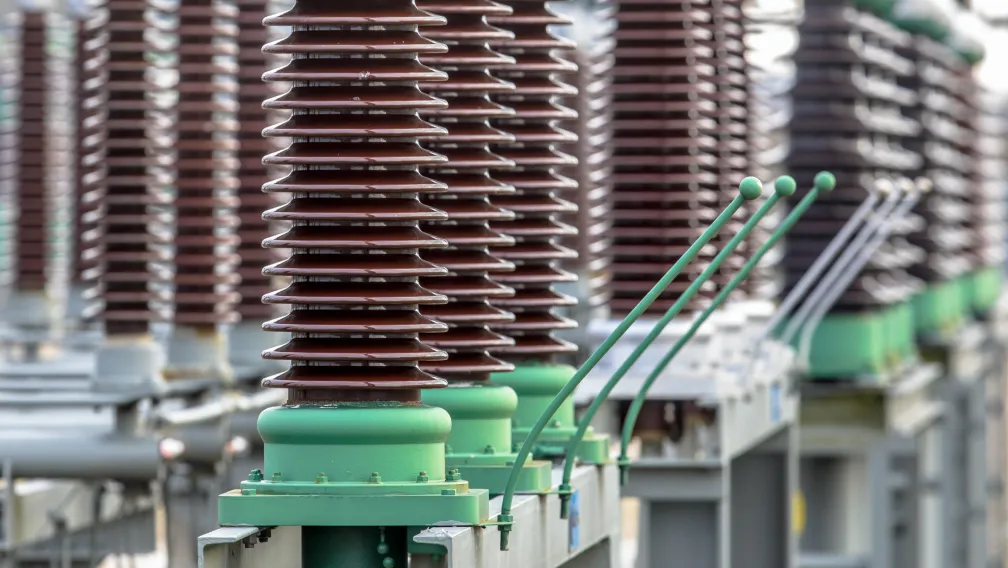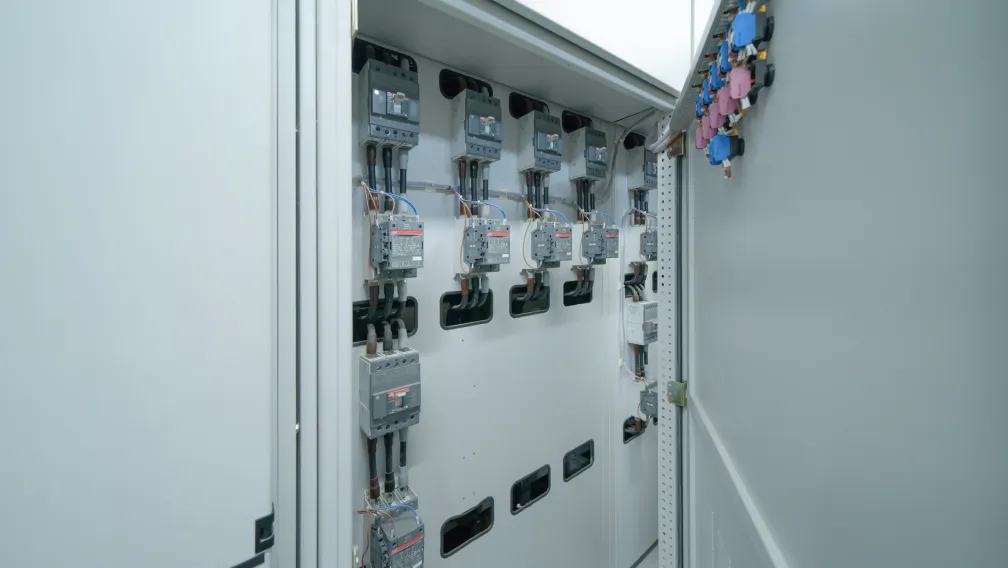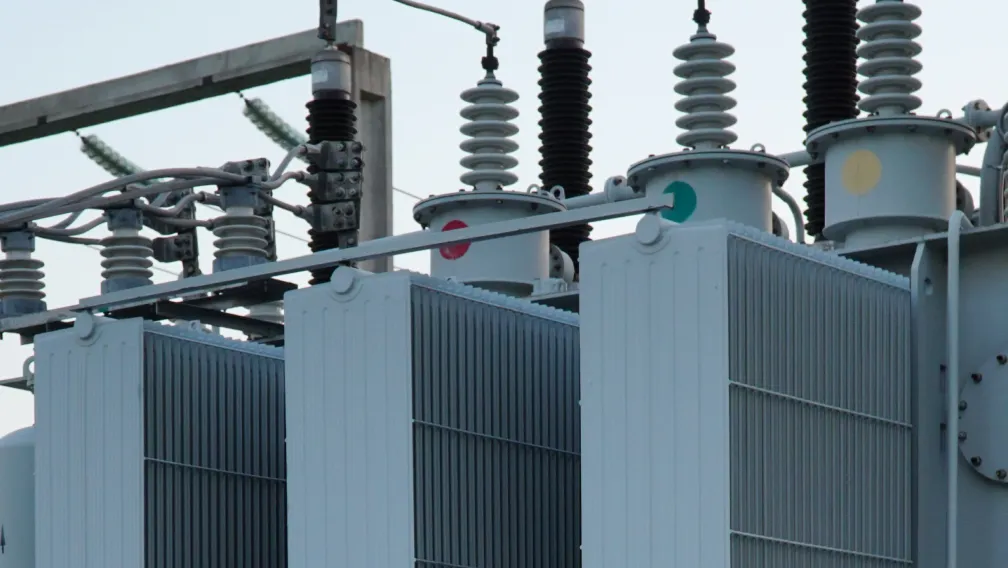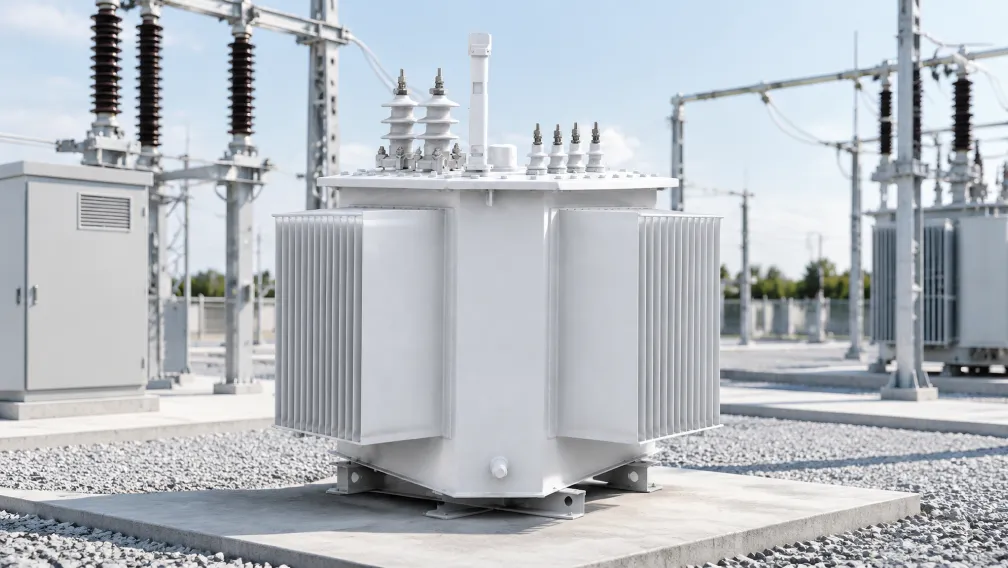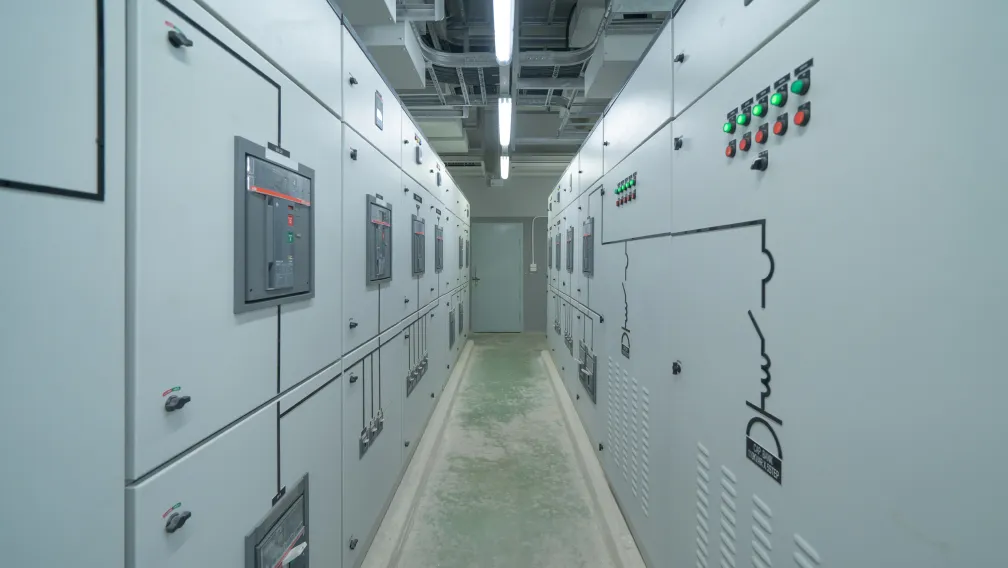


As of late September 2026, the global medium voltage switchgear and electrical distribution manufacturing sector has reached a critical inflection point, shaped by accelerating market valuations and persistent supply chain bottlenecks. According to comprehensive market intelligence data published in the third quarter of 2026, the global medium voltage switchgear market is valued at approximately $19.66 billion, with robust long-term growth trajectories projected through 2035. This market expansion is driven by simultaneous pressures from hyperscale data center construction, aggressive renewable energy grid integration, and strict regulatory enforcement of environmental compliance standards. For EPC (Engineering, Procurement, and Construction) contractors, utility planners, and industrial facility developers, sourcing core electrical apparatus has shifted from a routine transactional process to a strategic project risk management discipline. Understanding these macroeconomic and technical shifts is essential for maintaining project execution schedules in an environment defined by extended procurement horizons and tightening environmental mandates.
Market Valuation and Growth Drivers
Recent industry reports from leading market research analysts indicate that the medium voltage sector is experiencing a compound annual growth rate (CAGR) exceeding 8.3 percent. This valuation growth is underpinned by unprecedented capital expenditure in power transmission and distribution infrastructure. Mature markets across North America and Europe are undergoing urgent grid modernization programs to replace aging assets that have exceeded their 30-year operational lifecycles. Simultaneously, emerging industrial economies are expanding distribution networks to support rapid urbanization and electrification initiatives. Within this broad market spectrum, the 5kV to 15kV voltage segment commands the largest market share due to its ubiquitous deployment in industrial facilities, commercial real estate, and secondary utility substations, while higher voltage categories above 38kV represent the fastest-growing segment, fueled by long-distance transmission upgrades and large-scale renewable interconnections.
Persistent Lead Time Constraints in Medium Voltage Assets
Despite aggressive capital investments by major electrical equipment manufacturers, lead times for critical distribution hardware remain severely constrained. Procurement data from Q3 2026 confirms that medium voltage switchgear assemblies in the 15kV class currently require between 52 and 80 weeks from order placement to factory shipment. For higher-capacity 38kV configurations, delivery windows stretch from 78 to 104 weeks. These extended schedules originate from severe sub-component bottlenecks, particularly in the production of high-endurance vacuum interrupters, cast-resin insulators, and microprocessor-based protection relays. The heavy transformer market exhibits comparable pressures, where substation-class power transformers command lead times ranging from 75 to 110 weeks. These stretched delivery horizons require engineering teams to finalize electrical schematics and secure manufacturing slots years in advance of physical site construction.
Manufacturing Capacity Expansions and Regionalization
To address structural supply deficits, tier-one manufacturers including Siemens, Schneider Electric, ABB, and Eaton have initiated major capital expenditure programs to expand domestic manufacturing and assembly footprints. A prominent example from recent industry announcements is Siemens' commitment to establish a multi-million-dollar manufacturing plant in Georgia, dedicated to producing low-voltage and medium-voltage electrical distribution enclosures. However, industry experts caution that constructing heavy electrical manufacturing facilities is a multi-year undertaking. Building specialized high-voltage testing bays, installing automated fabrication tooling, and training certified technicians for rigorous factory acceptance testing (FAT) mean that newly announced production capacity will not meaningfully alleviate market backlogs until late 2027 or 2028. Consequently, short-term procurement strategies must account for ongoing manufacturing constraints.
The Regulatory Acceleration of SF6-Free Technologies
Environmental regulation continues to reshape technical specifications across the switchgear sector. With the European Union’s revised F-Gas Regulation (EU) 2024/573 enforcing strict prohibitions on sulfur hexafluoride (SF6) in new medium voltage switchgear up to 24kV, utility operators and industrial developers are actively migrating toward compliant alternatives. Sourcing compliant equipment is no longer an optional future consideration but an immediate project requirement. Procurement teams are specifying 12kV SF6-free gas insulated medium voltage switchgear for brownfield retrofits where spatial constraints preclude the use of traditional air-insulated alternatives. Concurrently, deployment rates for 12kV solid insulated medium voltage switchgear are surging across high-humidity or corrosive industrial environments, as solid epoxy encapsulation completely eliminates the administrative and operational overhead associated with pressurized greenhouse gases.
Integration of Digital Monitoring and Predictive Maintenance
A defining trend highlighted in recent third-quarter industry assessments is the rapid acceleration of grid digitization. Modern medium voltage switchgear installations increasingly incorporate IoT-enabled sensors, partial discharge (PD) monitoring systems, and digital communication modules. Utility operators and industrial facility managers are mandating intelligent switchgear platforms to enable real-time thermal monitoring, contact wear tracking, and predictive maintenance diagnostics. This digital capability shifts maintenance paradigms from traditional time-based schedules to condition-based asset management, significantly enhancing operational continuity and reducing unexpected downtime in critical power distribution networks.
Mitigating Supply Risk Through Modular Substation Packaging
In response to escalating on-site labor shortages and extended procurement horizons, project developers are increasingly favoring factory-assembled infrastructure over fragmented component sourcing. Deploying fully engineered compact substations allows operators to integrate transformers, switchgear, and control systems within a single verified enclosure before delivery. This approach minimizes complex field wiring, reduces civil engineering requirements, and ensures that the entire assembly undergoes rigorous pre-commissioning in a controlled factory environment. By utilizing standardized modular designs, developers can streamline interconnection approvals and achieve greater predictability than traditional site-built gas insulated switchgear installations.
Conclusion
The medium voltage equipment sector in late 2026 is characterized by intense demand, structural lead time constraints, and a definitive technological transition toward eco-friendly, digital-ready assets. Success in executing major industrial and infrastructure projects requires forward-looking procurement planning, early manufacturer engagement, and strict adherence to emerging environmental standards. Elecstellar remains at the forefront of this market evolution, delivering high-reliability distribution equipment and comprehensive engineering support to navigate complex supply chain dynamics and ensure long-term grid stability. For specialized project requirements, our engineering team collaborates closely with EPC partners to deploy customized renewable energy substation solutions tailored to international IEC and IEEE standards.
-

STELLAR
Switchgear & Power Transformer ManufacturerSTELLAR designs and manufactures switchgear, transformers, and complete power distribution equipment from our China facility, serving utilities, contractors, and distributors in 50+ countries. Every technical article on this site is reviewed by our in-house engineers to ensure accuracy against IEC standards and real project practice.