search
Search

Search for equipment models, voltage specifications, or project references.

Gas Insulated Switchgear

Gas Insulated Switchgear

STELLAR Gas Insulated Switchgear Manufacturer

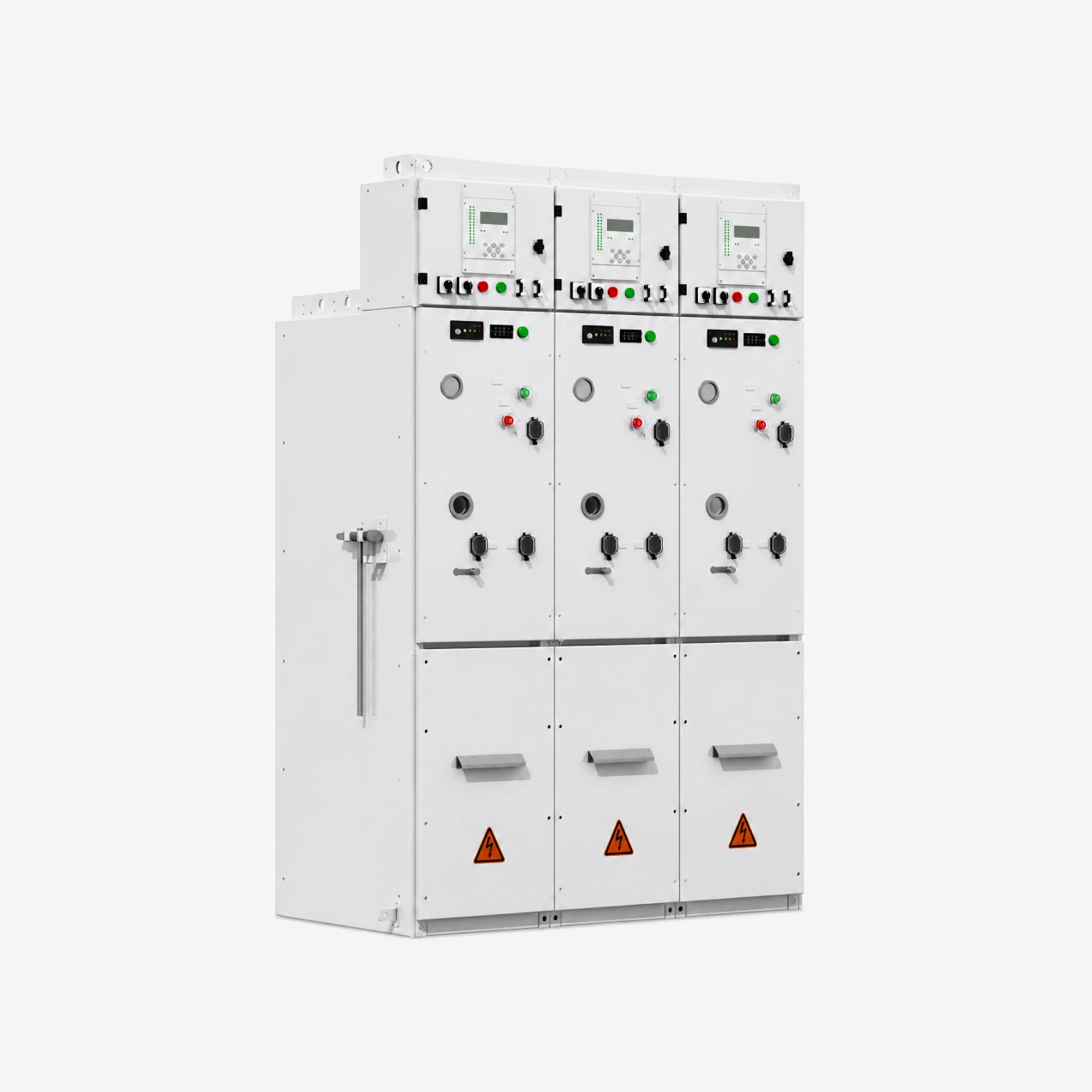
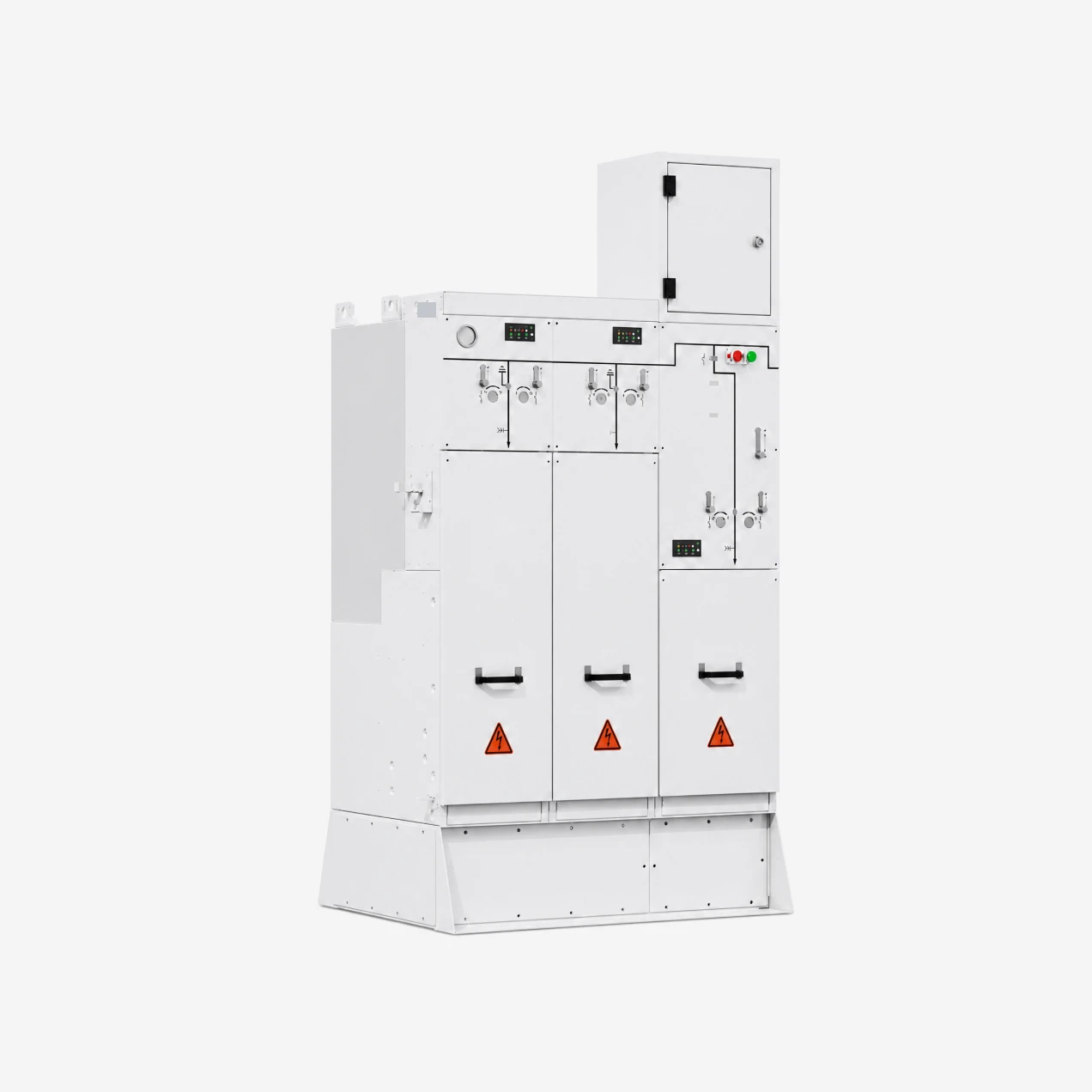
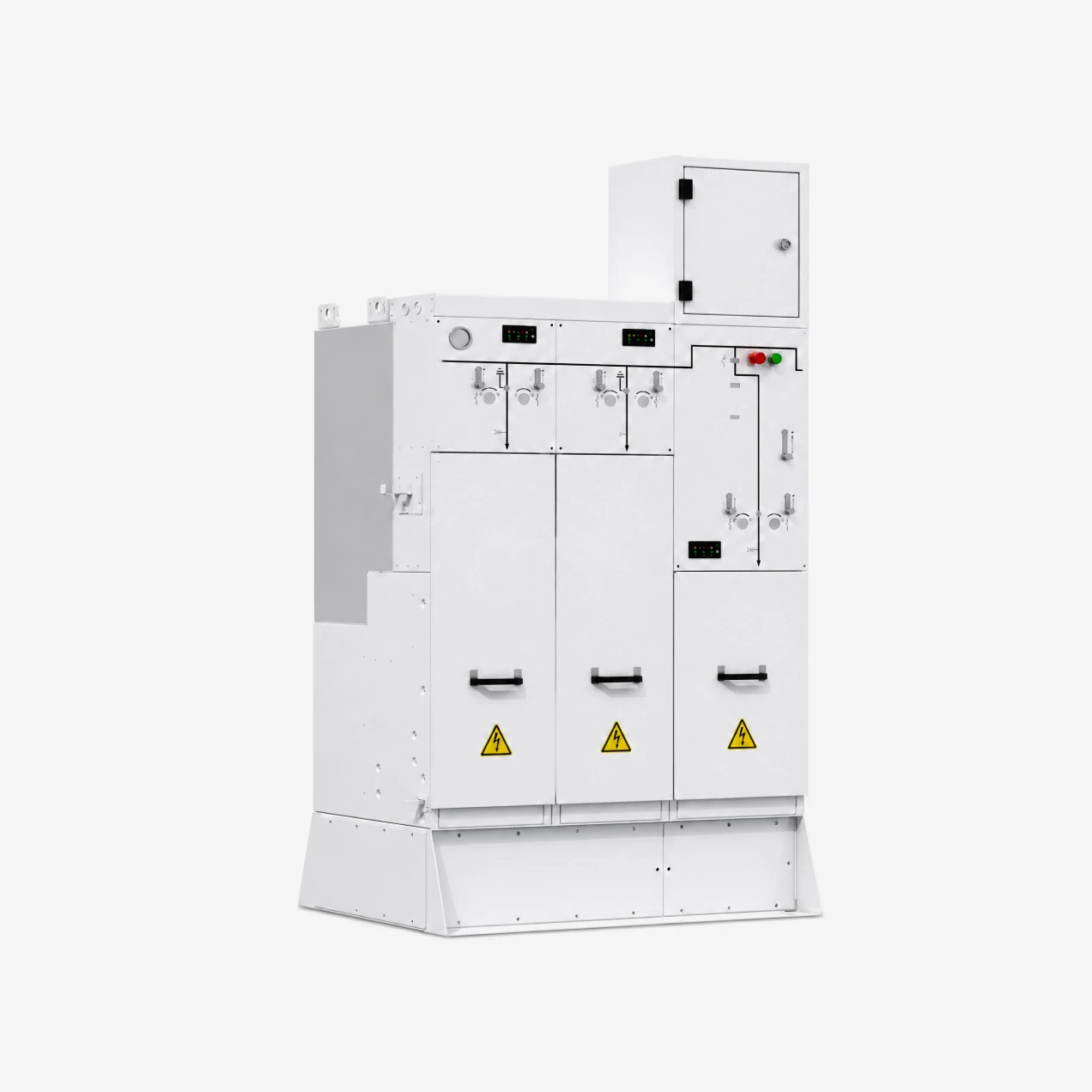
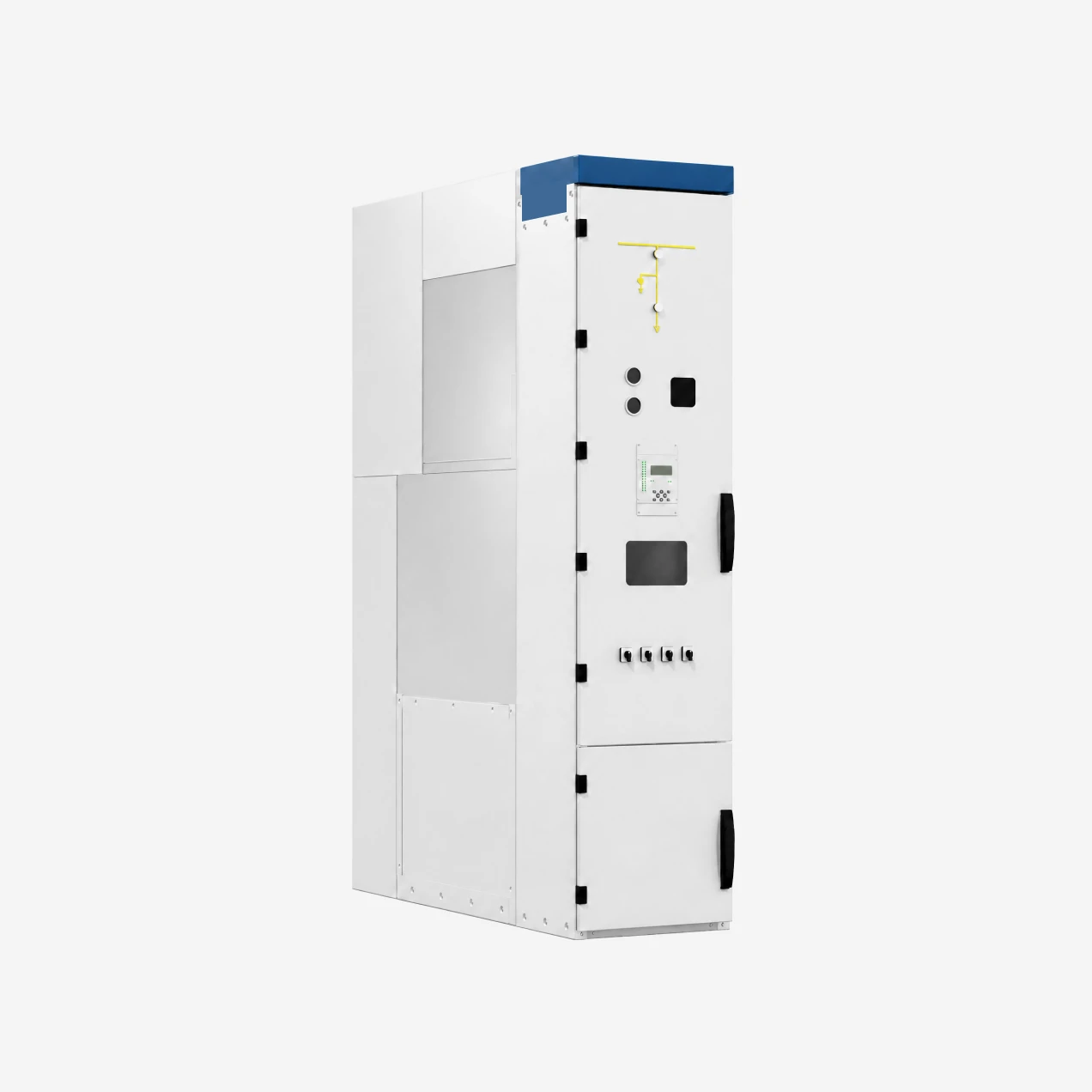
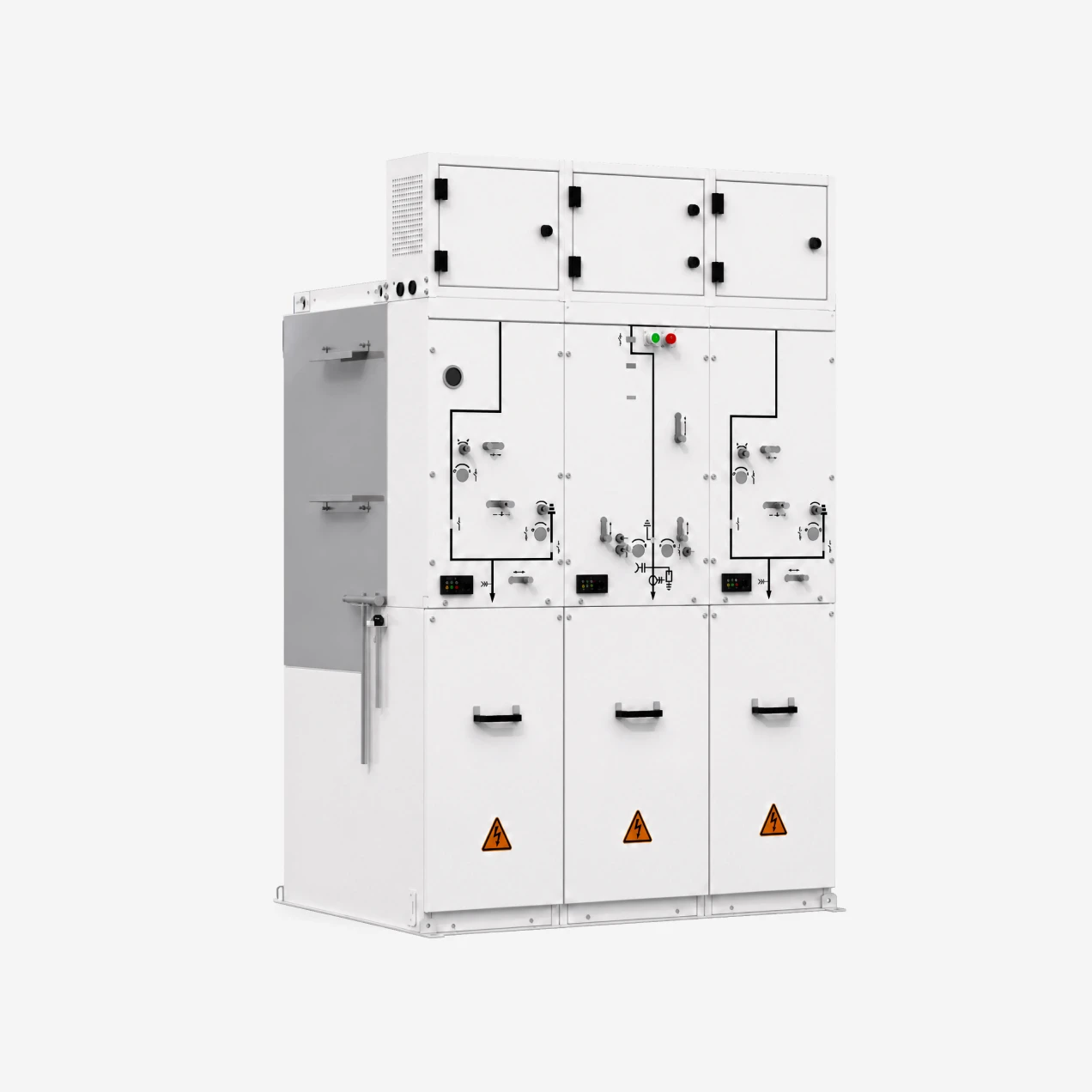
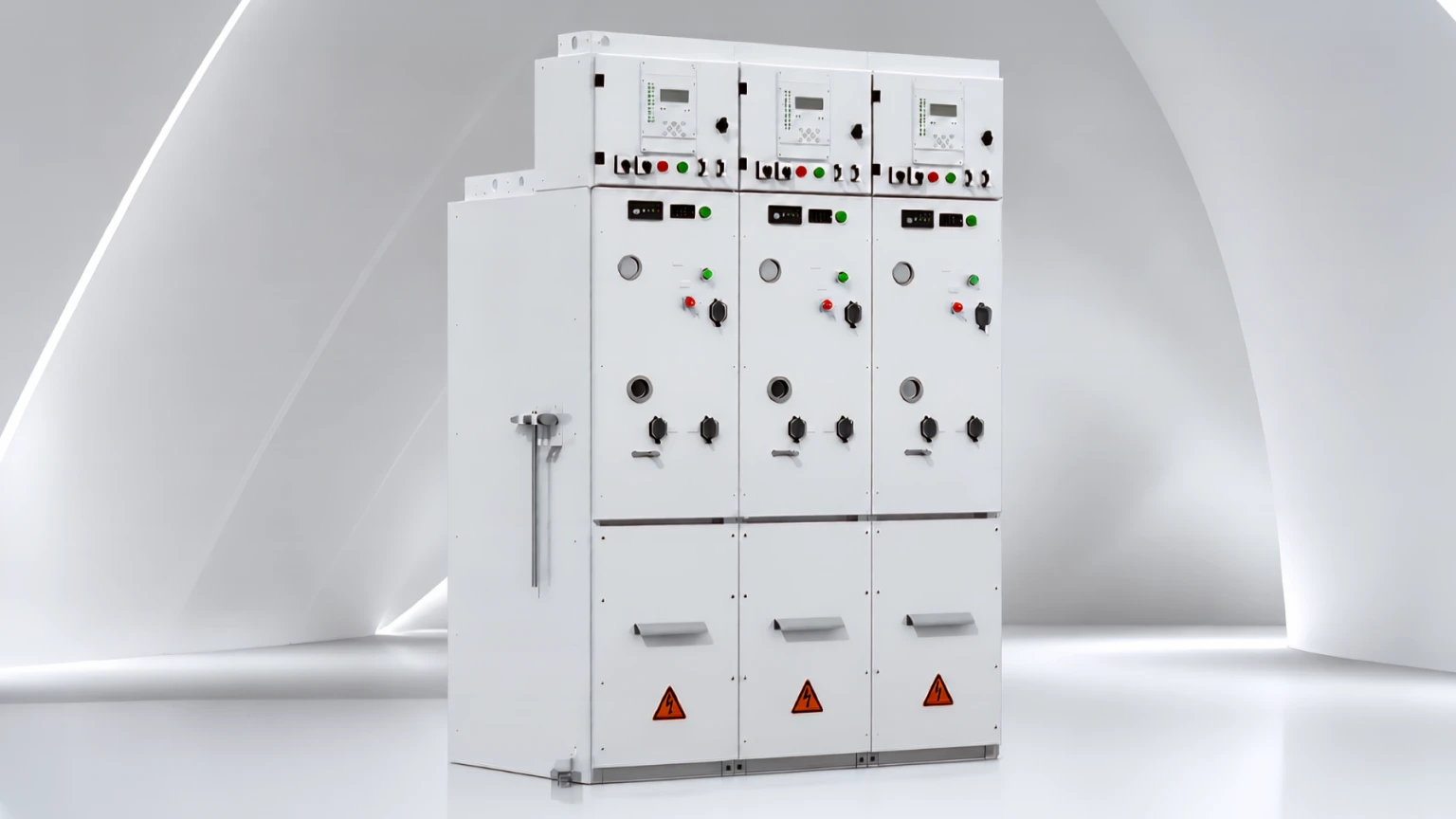
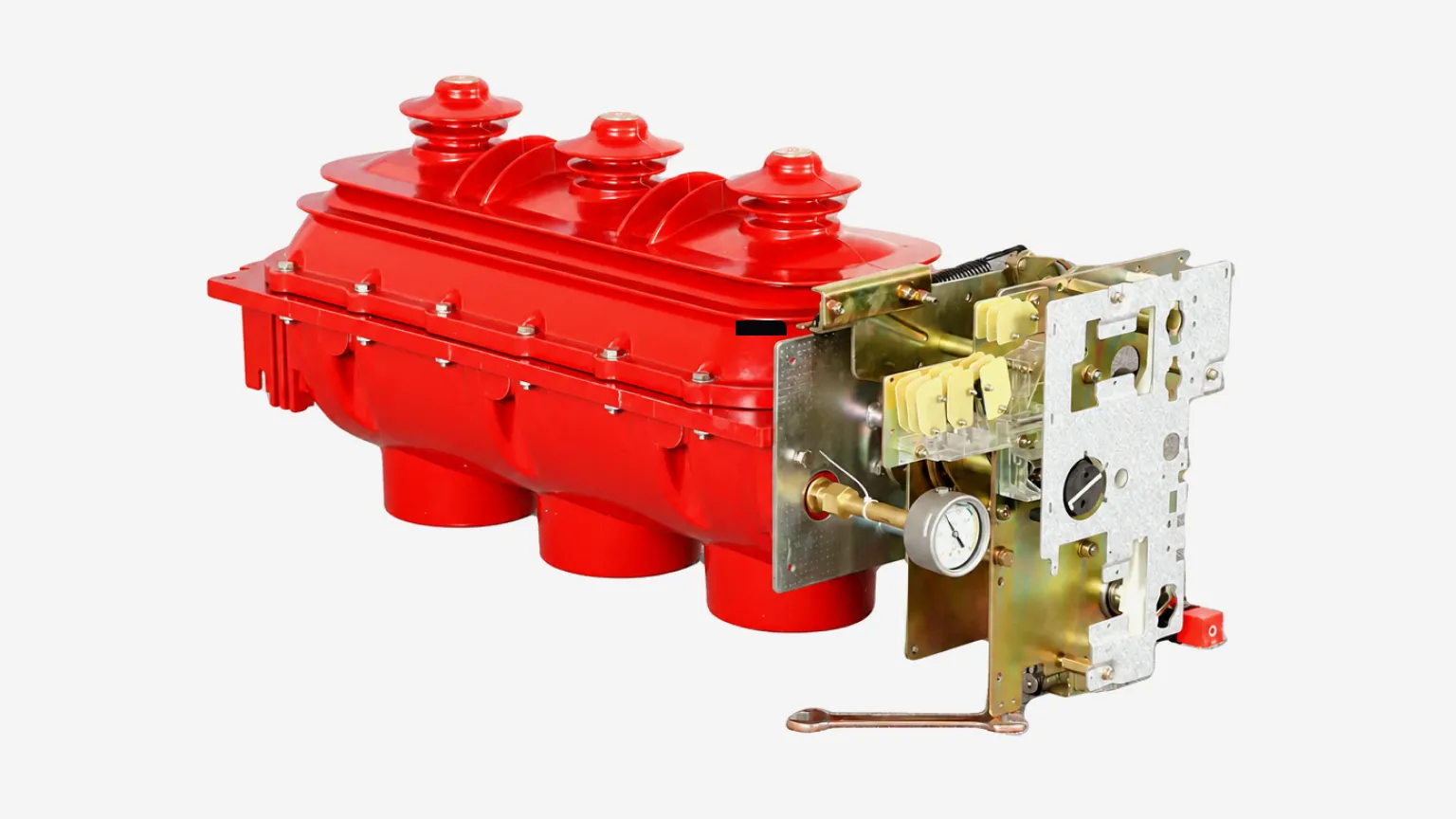
STELLAR builds gas insulated switchgear (GIS) for 12 kV to 40.5 kV distribution, including the XGN15-12 SF6 ring-network type and compact C-GIS panels. The live primary parts, busbar, switch, and cable connection, sit sealed inside an SF6 gas tank, so the panel runs in a fraction of the space an air-insulated lineup needs. It is the compact, sealed branch of medium voltage switchgear.

GIS earns its place where floor space is tight or the environment is hard on equipment: urban substations, basements, offshore and coastal sites, mining, and renewable plants. Panels are built to IEC 62271-200 and GB 3906, sealed for life, and configured from your single-line diagram, then factory-tested before they ship.

Sealed SF6 Gas Tank

Live parts sealed in an SF6 gas tank, shut off from dust, damp, and salt air.


Compact Footprint

Takes a fraction of the floor space of an air-insulated lineup.


Sealed for Life, Low Maintenance

No exposed contacts to clean; long intervals between service.


Built for Harsh Sites

Holds performance in coastal, humid, dusty, and high-altitude sites.


Gas Insulated Switchgear Ratings by Voltage Class

ParameterNXGN-12 SF6-FreeHXGN-40.5 DigitalSF6XGN-40.5 CompactSF6XGN-12SF6XGN-24
Rated voltage (kV)1240.540.51224
Rated current (A)630630 ~ 315063 ~ 630125 ~ 1250125 ~ 630
Rated frequency (Hz)505050 / 605050
Short-time withstand (kA)2025 / 31.5 / 402020 / 2520 / 25
Power-frequency withstand (kV)42 / 4898 / 12095 / 11842 / 4865 / 79
Lightning impulse (kV)75 / 85186 / 220185 / 21575 / 85125 / 145
Internal arc withstandAFLR 20kA/0.5sAFLR 25~40kA/1sAFLR 25kA/1sAFLR 20kA/0.5sAFLR 20kA/0.5s

Gas Insulated Switchgear Product Range


SF6 Tank Does the Insulating and the Arc Quenching

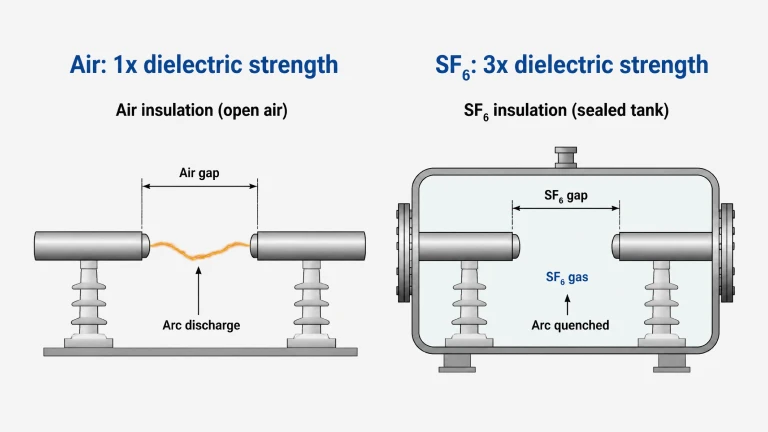
SF6 gas holds about three times the dielectric strength of air, so the same insulation fits in a much smaller volume. Sealing the live parts inside a gas tank also quenches the arc fast and keeps dust and moisture off the contacts. The result is a panel that switches reliably in a compact, closed housing.

· SF6 dielectric, well above air at the same gap
· Sealed tank, strong arc quenching
· Contacts protected from dust and damp


Compact and Sealed for Tight, Harsh Sites

Because the insulation is gas, not air gaps, a GIS lineup needs far less floor space than an air-insulated board, often around one third. The sealed design shrugs off humidity, salt, and pollution, so it suits basements, urban substations, coastal and offshore sites, and mining. SF6 ring-network and ring main unit versions cover cable distribution.

· Around one third the footprint of an air-insulated board
· Sealed for life, low routine maintenance
· Built for coastal, humid, dusty, and high-altitude sites


Vacuum or SF6 Switching, Built to Your Standard

Most STELLAR MV GIS uses a vacuum interrupter for switching, with SF6 as the insulation, so the gas does the standoff while the vacuum bottle breaks the current. Load-switch types use SF6 for both. Panels are internal arc classified and built to the brand and standard your project calls for. Where open access and budget lead, air insulated switchgear is the alternative.

· Vacuum interrupter with SF6 insulation, or SF6 load switch
· Internal arc classified, sealed pressure system
· Relays, metering, and brand list to your scheme

About STELLAR

STELLAR is a Singapore-headquartered manufacturer of switchgear, transformers, and complete power distribution equipment, serving utilities, contractors, and distributors in 50+ countries. From single-line diagram to commissioning support, we deliver project-configured electrical systems built to IEC and GB standards.

About Us Facility Solutions

FAQs

What is gas insulated switchgear?

Gas insulated switchgear is medium voltage switchgear whose live primary parts, the busbar, switch or breaker, and cable connection, are sealed inside a metal tank filled with SF6 gas instead of open air. The gas insulates the parts and helps quench the arc, which lets the whole panel sit in a compact, sealed housing.

Why choose GIS over air insulated switchgear?

GIS wins on space and environment. It needs far less floor area than an air-insulated board, and the sealed tank keeps out dust, damp, and salt, so it runs reliably in tight or harsh sites with little maintenance. Air insulated switchgear stays the lower-cost, easier-to-service choice where space is open and the room is clean. Many projects use both, GIS where space is tight and AIS elsewhere.

What gas is used, and is the panel sealed for life?

The insulating gas is SF6, sulphur hexafluoride. The gas tank is sealed for life with O-rings and welded joints to a high ingress rating, and gas pressure or density is monitored so any slow leak shows up early. Load-switch types use SF6 to break the current; breaker types use a vacuum interrupter with SF6 as the insulation.

What voltages and ratings do you offer?

We build MV GIS for the 12 kV, 24 kV, and 40 kV classes, with busbar currents up to 4000 A. See the ratings table above for short-circuit and impulse figures by voltage class, or the medium voltage switchgear overview for other types.

How much maintenance does GIS need?

Little. There are no exposed contacts to clean and no open-air clearances to keep dry, so routine maintenance is mostly checking gas pressure or density and exercising the mechanism. Sealed MV GIS typically runs long service intervals. When internal work is ever needed, the gas is recovered and refilled by a trained crew.

Gas Insulated Switchgear Explained

Gas insulated switchgear (GIS), also called a gas insulated system, is a switchgear design where the live primary parts are sealed inside a metal enclosure filled with insulating gas, rather than relying on open air for insulation. The gas is sulphur hexafluoride (SF6), chosen because its dielectric strength is about three times that of air and it quenches an electric arc quickly. Sealing the parts in gas lets the same voltage class fit in a much smaller, fully enclosed package, which is why GIS is the go-to where space is tight.

How GIS Works

The busbars, the switching device, the disconnector, and the cable connection sit inside a gas tank, usually aluminium or steel, sealed with O-rings and welded seams. SF6 gas at a controlled pressure fills the tank and provides the standoff between live parts and earth. When the switch operates, the arc draws inside the gas; SF6 absorbs free electrons and extinguishes it fast. In modern medium voltage GIS the current is usually broken by a vacuum interrupter, with SF6 acting only as the insulation. Older and load-switch designs use SF6 for both insulation and interruption.

Main Components

  • Sealed gas tank holding SF6 at controlled pressure
  • Vacuum interrupter or SF6 load-break switch
  • Three-position switch-disconnector (close, open, earth) on many designs
  • Insulated busbar and cable connection bushings
  • Gas pressure or density monitor with alarm
  • Pressure relief device and operating mechanism

GIS vs Air Insulated Switchgear

The two share the same job and ratings; they differ in the insulating medium and what that costs you. GIS seals the live parts in gas, so it is compact, sealed against the environment, and light on maintenance, but it costs more upfront and any internal repair needs gas handling. Air insulated switchgear uses air gaps, so it is cheaper, simpler, and easy to inspect and repair, but it takes more floor space and is sensitive to dust, humidity, and pollution. A rough guide: GIS where space is scarce or the site is harsh; air-insulated where space and budget allow and the room stays clean.

FactorGas insulated (GIS)Air insulated (AIS)
FootprintAround one third of AIS; up to 70% lessLargest; needs open clearances
EnvironmentSealed; suits dust, damp, salt, altitudeOpen; sensitive to dust and humidity
MaintenanceLow; check gas, no exposed contactsRoutine cleaning and inspection
Upfront costHigherLower
Internal repairNeeds gas recovery and refillOpen access, straightforward


Primary and Secondary GIS

GIS comes in two duty levels. Primary gas insulated switchgear is circuit-breaker based and sits at substation incomers and main feeders, switching and protecting full fault current. Secondary gas insulated switchgear is load-break-switch based, built for distribution rings and transformer feeds; the ring main unit is the common secondary GIS format. STELLAR covers both, including the XGN15-12 SF6 ring-network panel for cable distribution and compact C-GIS for primary duty up to 40.5 kV.

SF6 and the Move Toward SF6-Free

SF6 is an excellent insulator, but it is also a strong greenhouse gas, with a global-warming potential thousands of times that of carbon dioxide, and it is now regulated in many markets. Two things reduce its impact in modern medium voltage GIS. First, vacuum interruption means SF6 is used only as insulation, not to break current, so far less gas is involved. Second, the panels are sealed for life with leak monitoring, so emissions in normal service are minimal. The industry is also developing SF6-free designs that use dry air or alternative gases; these are emerging mainly at the lower medium voltage classes. We can advise on the right approach for your project and local regulations.

Voltage Range, Footprint, and Standards

Our medium voltage GIS covers the 12 kV, 24 kV, and 40.5 kV classes, with busbar currents to 4000 A and short-circuit ratings to 31.5 kA. A 12 kV feeder panel can be as narrow as 600 mm, which is what makes GIS fit substations carved into basements and compact plant rooms. Panels are type-tested to IEC 62271-200, equivalent to GB/T 3906-2020, and carry internal arc classification. For higher currents or other insulation platforms, see the medium voltage switchgear overview.