

Throughout the first half of October 2026, the electrical manufacturing sector has observed a structural shift in procurement patterns driven by the accelerated deployment of gigawatt-scale artificial intelligence (AI) data centers. Hyperscale operators and colocation providers are moving beyond standard 100MW campus designs, announcing localized infrastructure projects that demand utility-level power consumption. This unprecedented power density is forcing electrical engineers to completely rethink facility power topologies. Traditional centralized low-voltage architectures are failing to meet the current-carrying requirements of modern liquid-cooled AI clusters. Consequently, data center engineering teams are driving a massive influx of medium voltage infrastructure directly into the building footprint. This shift mandates stringent new specifications for arc flash containment, thermal management, and prefabricated modularity in electrical equipment procurement.
The Physics of High-Density Rack Power
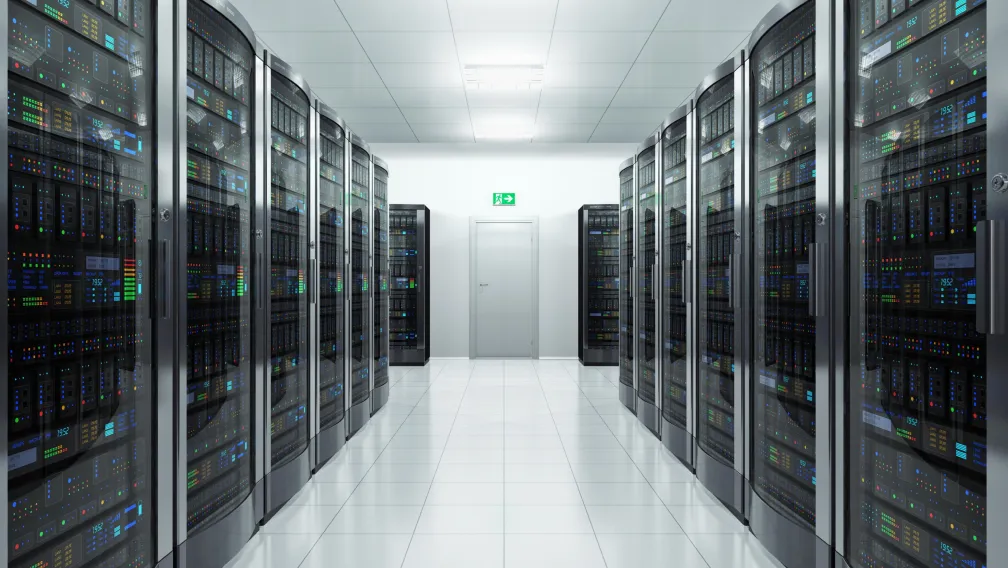
The transition from CPU-based enterprise computing to GPU-intensive AI training clusters has fundamentally altered the power draw per square meter. A standard enterprise server rack typically consumes between 5kW and 10kW. In October 2026, primary deployments of next-generation AI accelerators routinely exceed 120kW per rack, with liquid-cooled dense architectures pushing towards 200kW. Delivering this volume of electrical energy at standard low voltages (400V or 480V) from a centralized utility substation is physically impractical. The required copper busbar cross-sections become massive, installation logistics become unmanageable, and I²R (copper) losses severely degrade the facility's Power Usage Effectiveness (PUE) metric. To overcome these physical limitations, electrical design must bring medium voltage distribution closer to the load centers.
Distributed Medium Voltage Architectures
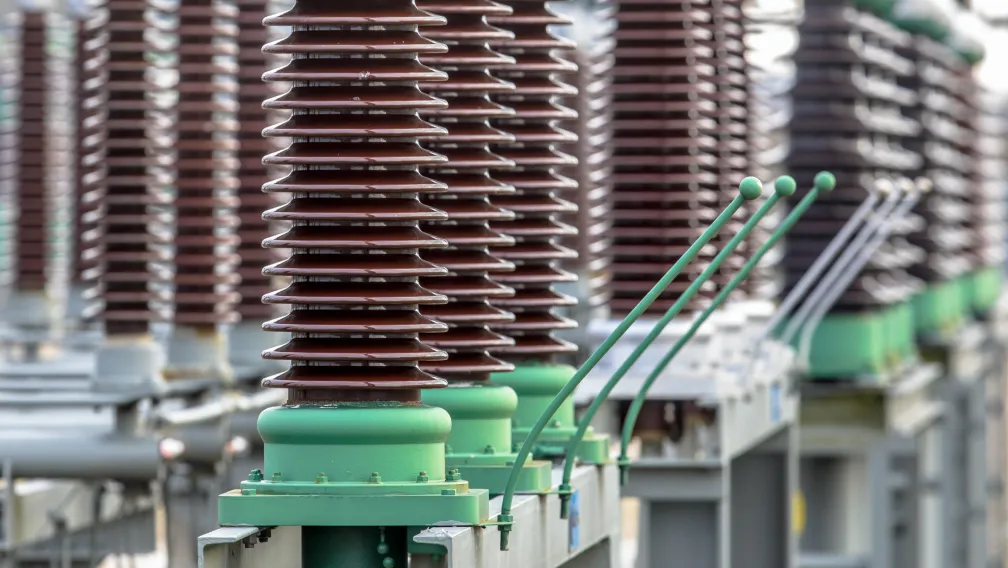
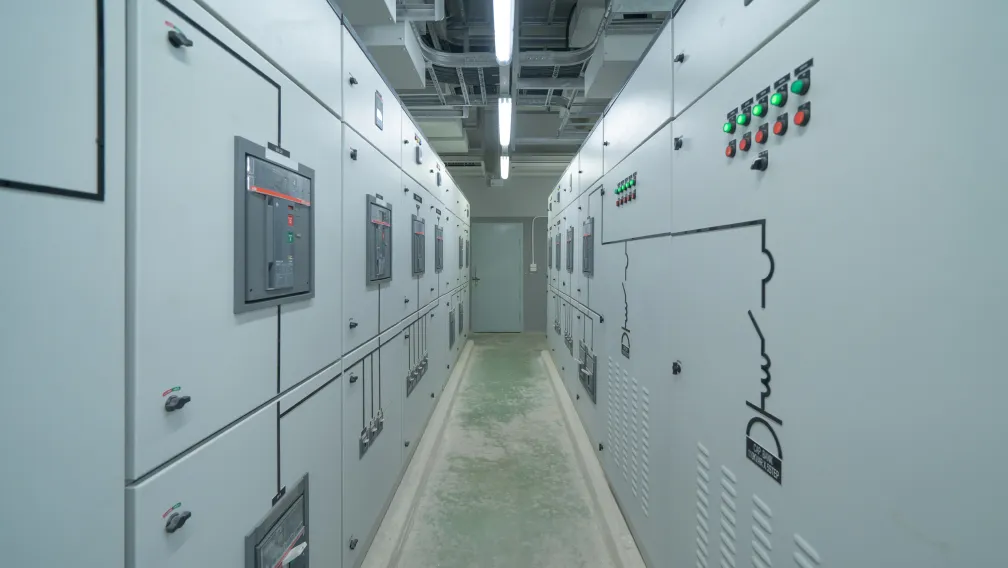
Instead of stepping down utility power at the perimeter of the facility and routing low voltage cables over hundreds of meters, modern AI data center topologies route 12kV, 24kV, or 35kV directly into the white space perimeter or specialized interior electrical galleries. This distributed architecture relies heavily on localized medium voltage switchgear acting as the primary distribution nodes for defined data hall zones. By transmitting power at medium voltage, the current is drastically reduced, allowing for smaller cable diameters, lower resistive losses, and significantly more efficient spatial utilization within the facility infrastructure. This topological inversion transfers the bulk of the infrastructure expenditure from heavy low-voltage busway systems into high-reliability medium-voltage switching and protection systems.
High Short-Circuit Capacity and Arc Flash Mitigation
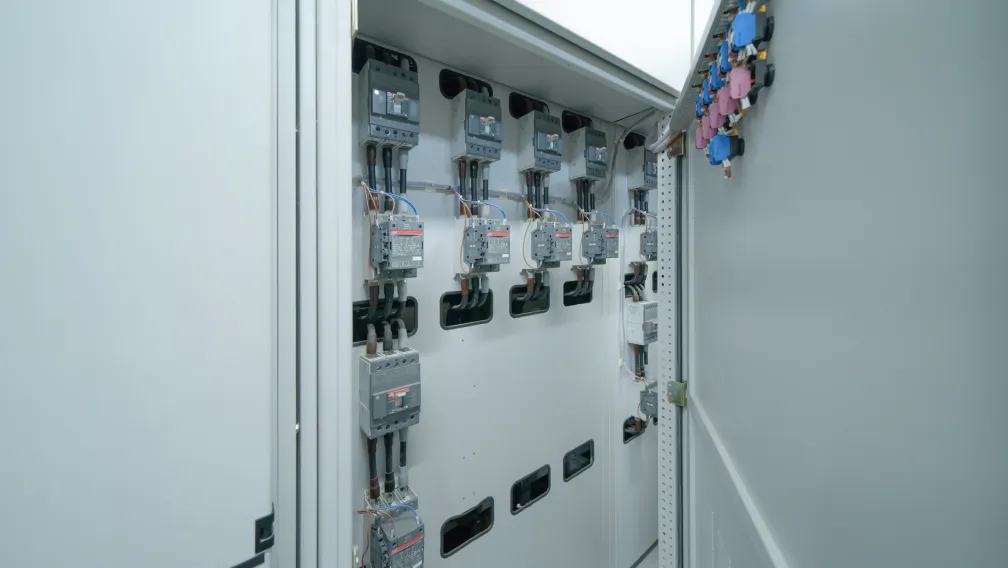
Gigawatt-scale data centers require multiple redundant grid connections to achieve Tier III or Tier IV reliability standards. When multiple high-capacity utility feeds operate in parallel, the prospective short-circuit current across the facility's electrical network increases exponentially. Switchgear specified for these environments must demonstrate extreme mechanical and thermal endurance. Standard distribution switchgear rated for 25kA or 31.5kA short-time withstand current is inadequate; modern AI facilities routinely demand switchgear tested to 50kA or 63kA for 3 seconds. Furthermore, bringing medium voltage equipment into enclosed server environments escalates personnel safety requirements. Strict adherence to IEC 62271-200 Internal Arc Classification (IAC) AFLR is mandatory. Engineers are increasingly specifying integrated arc-flash mitigation relays utilizing optical sensors that detect arc ignition and trip the primary circuit breaker in less than two milliseconds, minimizing pressure buildup and preventing catastrophic structural damage to the enclosure.
The Integration of Cast-Resin Transformers
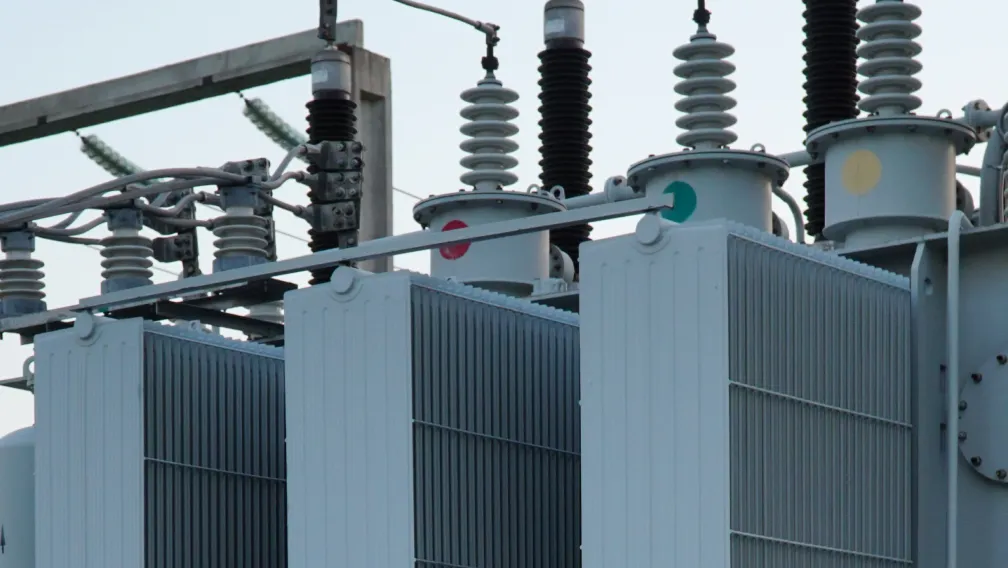
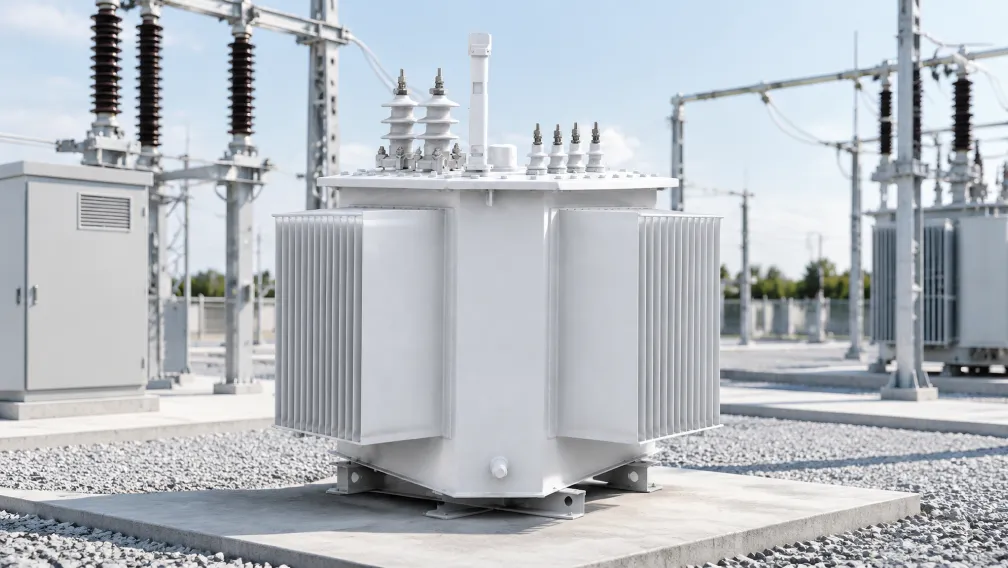
The strategy of distributing medium voltage deep into the facility requires step-down transformers to be located adjacent to the server racks. Oil-immersed transformers present unacceptable fire risks and require elaborate concrete containment pits, disqualifying them from indoor deployment. The industry has standardized on the dry-type transformer for this application. Cast-resin dry-type transformers encapsulate the high-voltage and low-voltage windings in solid epoxy under a vacuum, eliminating combustible liquids entirely. These units offer excellent moisture resistance, self-extinguishing properties, and zero environmental leakage risk. In October 2026, manufacturers are heavily prioritizing the production of high-efficiency (Tier 2/DOE 2016 compliant) cast-resin transformers engineered specifically to handle the severe harmonic distortion generated by thousands of parallel switch-mode power supplies.
Addressing the Supply Chain with Prefabrication
The timeline to deploy an AI data center is directly constrained by electrical equipment lead times, which remain historically elongated. To compress deployment schedules, hyperscale operators are abandoning sequential stick-built construction methods in favor of modular prefabrication. The compact substation (or e-House) integrates the medium voltage switchgear, the dry-type transformer, and the low-voltage switchgear into a single, climate-controlled, factory-tested structural skid. Because the internal busbar connections and control wiring are completed and validated in the factory environment, on-site labor is reduced to bolting the skid to a foundation and terminating the incoming and outgoing cables. This approach effectively decouples the electrical equipment assembly from weather delays and local skilled labor shortages, offering a predictable, standardized deployment model across global sites.
Space Constraints and Gas-Insulated Alternatives
Real estate within a data center represents revenue-generating space. Every square meter occupied by electrical infrastructure is a square meter denied to computing hardware. While air-insulated metal-clad switchgear remains the standard for large electrical rooms, extreme density constraints frequently necessitate the deployment of gas-insulated switchgear (GIS). GIS utilizes a hermetically sealed tank filled with a dielectric medium, allowing the phase conductors to be positioned in much tighter proximity. This architecture reduces the physical footprint of the switchgear lineup by up to 70 percent compared to an air-insulated equivalent. The sealed-for-life nature of GIS also protects the primary high-voltage components from dust, humidity, and the severe thermal fluctuations occasionally experienced in aggressively cooled data center environments, guaranteeing absolute dielectric integrity without requiring routine cleaning cycles.
Intelligent Condition Monitoring for Continuous Uptime
In an environment where a single minute of downtime incurs massive financial losses, predictive maintenance replaces scheduled maintenance. Modern medium voltage infrastructure deployed in AI data centers is heavily instrumented. Microprocessor-based relays serve as edge computing nodes, continuously analyzing power quality, voltage sags, and harmonic distortion. Wireless Surface Acoustic Wave (SAW) sensors are embedded at critical busbar joints and circuit breaker contacts to provide continuous thermal profiling, alerting facility managers to micro-increases in contact resistance long before thermal runaway occurs. Partial discharge (PD) sensors map the degradation of solid insulation over time. This continuous stream of telemetry allows operators to schedule targeted interventions only when physical parameters drift outside specified baselines, optimizing lifecycle OPEX and ensuring maximum facility availability.
Conclusion
The rapid escalation of AI computing demands observed in late 2026 has irreversibly altered power distribution engineering. Delivering hundreds of megawatts to concentrated computing clusters requires distributing medium voltage architectures directly into the facility core. This paradigm shift relies entirely on high-capacity switchgear, dry-type transformers, and prefabricated modular substations designed for extreme fault currents, personnel safety, and maximum volumetric efficiency. For EPC contractors and hyperscale developers, securing a supply chain that can deliver these integrated, highly engineered topologies is the definitive critical path to project success.
Elecstellar engineers and manufactures comprehensive medium voltage solutions tailored for high-density data center applications, including cast-resin transformers, arc-resistant switchgear, and factory-tested compact substations. Consult our technical engineering team to align your procurement strategy with the stringent requirements of gigawatt-scale infrastructure.
-

STELLAR
Switchgear & Power Transformer ManufacturerSTELLAR designs and manufactures switchgear, transformers, and complete power distribution equipment from our China facility, serving utilities, contractors, and distributors in 50+ countries. Every technical article on this site is reviewed by our in-house engineers to ensure accuracy against IEC standards and real project practice.