Low Voltage Switchgear Explained
Low voltage switchgear is the assembly of switching, protection, and distribution equipment that operates at up to 1000 V AC. It takes power from the secondary of a distribution transformer and sends it out to feeders, motors, capacitor banks, and building loads, while protecting each circuit against overload and short circuit. In most systems it runs at 400 V or 415 V three-phase, with 690 V used for larger industrial drives.
Switchgear, Switchboard, or LV Panel?
The terms overlap. Switchgear strictly means the switching and protection devices; a switchboard or LV panel is the assembly that holds them. In practice, low voltage switchgear, LV switchboard, and LV panel are used for the same equipment, the floor-standing assembly that distributes power inside a building or plant. The main low voltage switchboard is the first board after the transformer, carrying the incoming air circuit breaker and the main busbar.
IEC 61439 and Form Separation
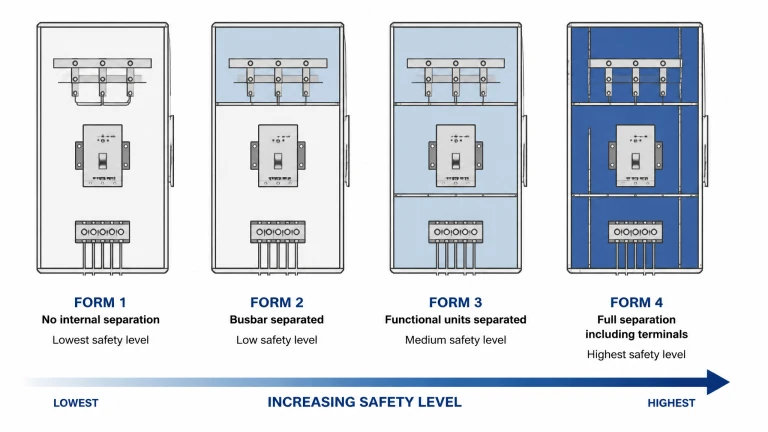
IEC 61439 is the standard for low voltage switchgear and controlgear assemblies, and it is mirrored by GB/T 7251 in China. Its key change from the old IEC 60439 was to replace type-test approval with design verification: the assembly is verified for temperature rise, short-circuit strength, dielectric properties, clearances, and more. Within the standard, form separation describes how far the inside of the panel is divided up:
- Form 1: no internal separation.
- Form 2: the busbars are separated from the functional units.
- Form 3: busbars separated from units, and units separated from each other.
- Form 4: full separation, with busbars, functional units, and their cable terminals all separated.
Form 4 is the low voltage equivalent of fully compartmented switchgear: a fault or an open circuit in one section stays contained, and a worker can access one circuit safely while the rest stays live.
Fixed and Withdrawable Types
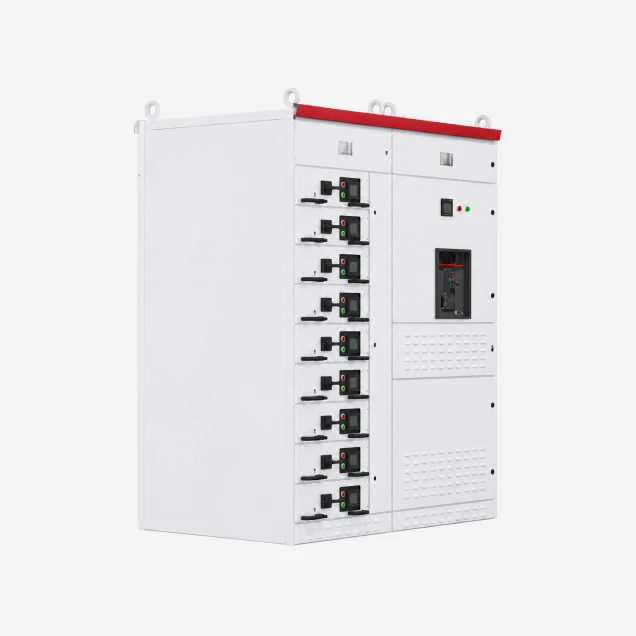
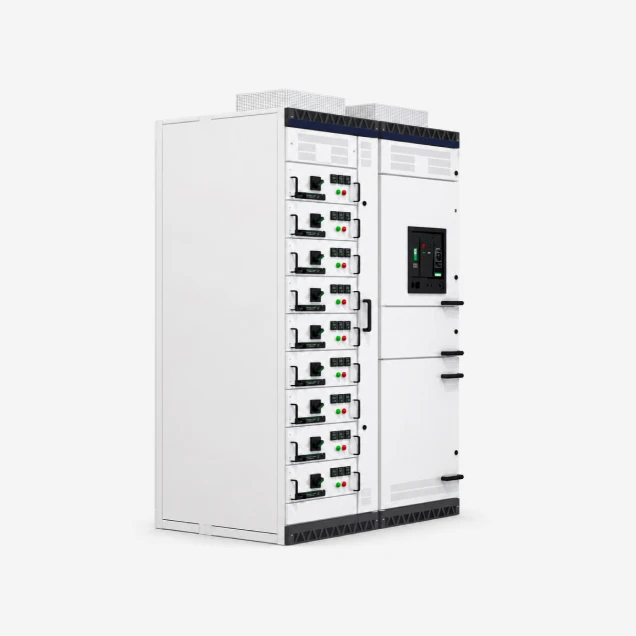
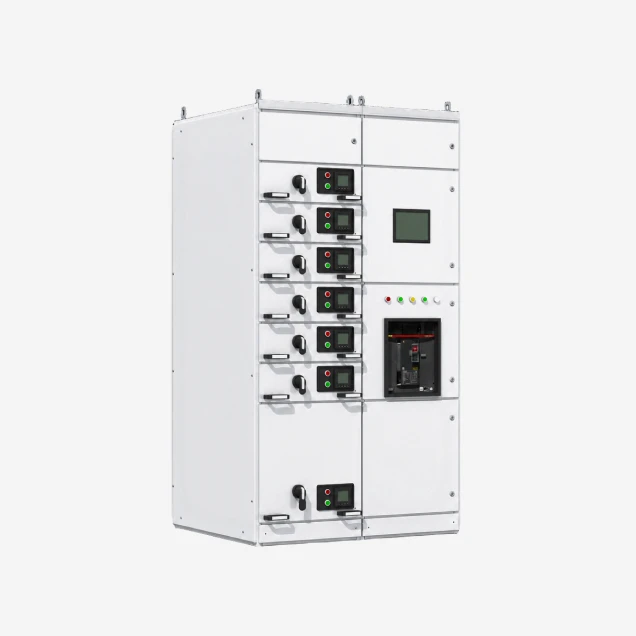
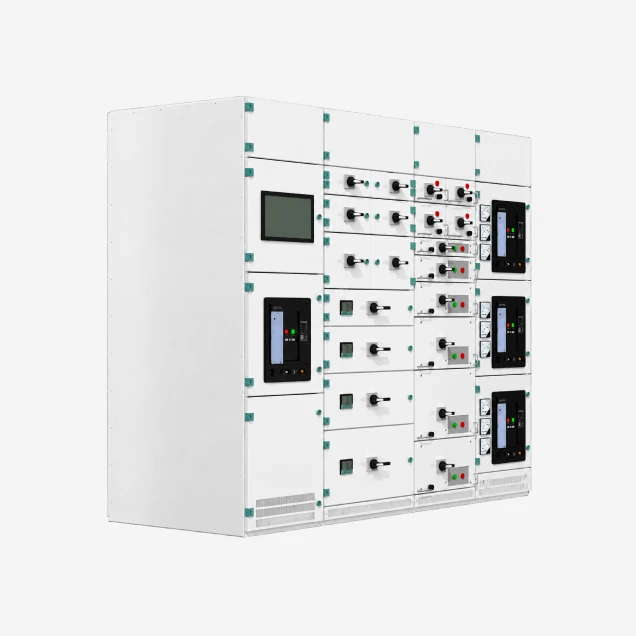
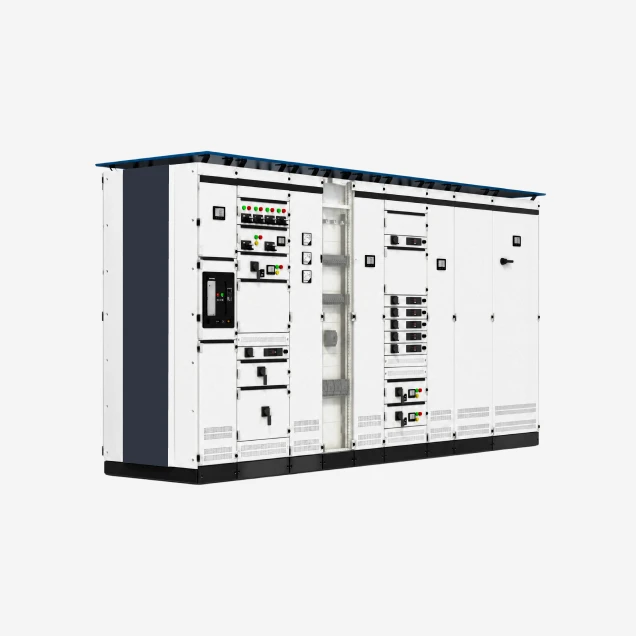
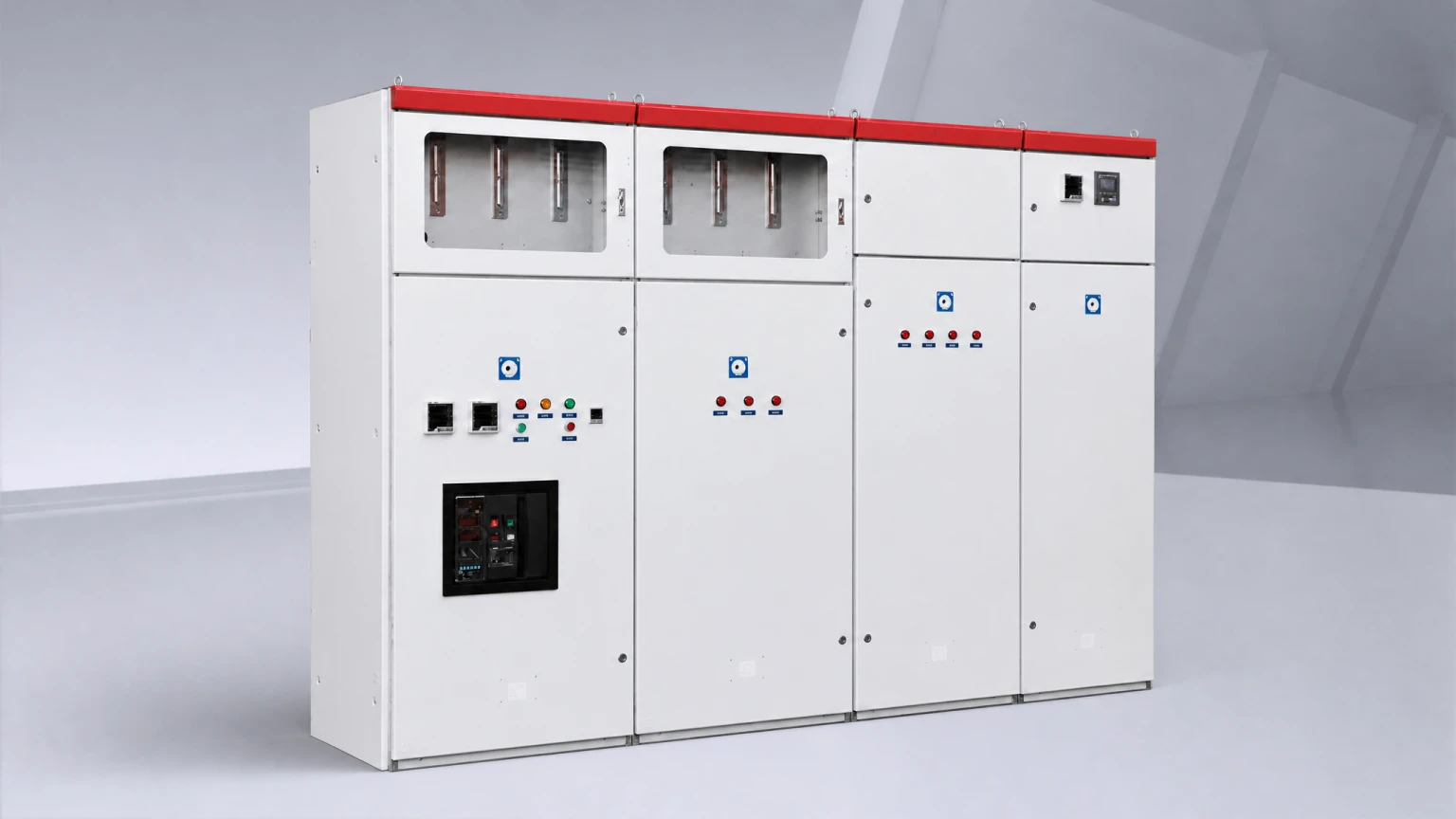
The four common Chinese-standard low voltage switchgear types split into fixed and withdrawable. Fixed panels bolt the devices in place; withdrawable panels mount each outgoing circuit in a drawer that racks in and out. Fixed is simpler and cheaper; withdrawable lets a circuit be replaced without dropping the board, which matters for motor control and critical supplies.
The Four Types: GGD, GCK, GCS, and MNS
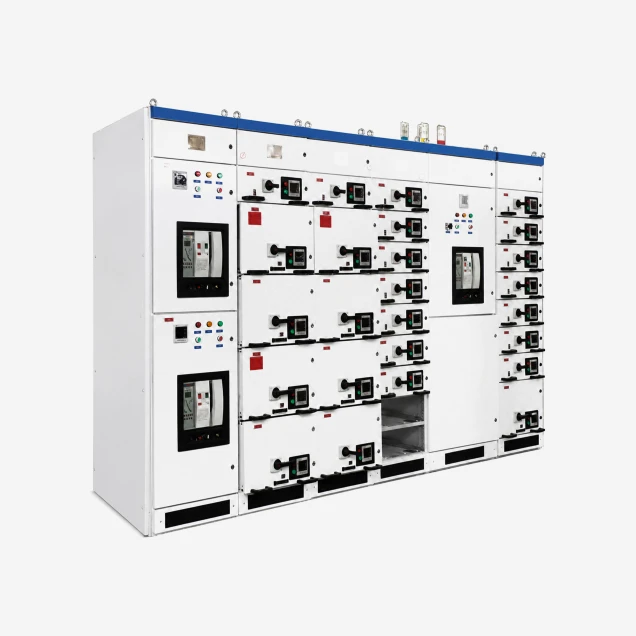
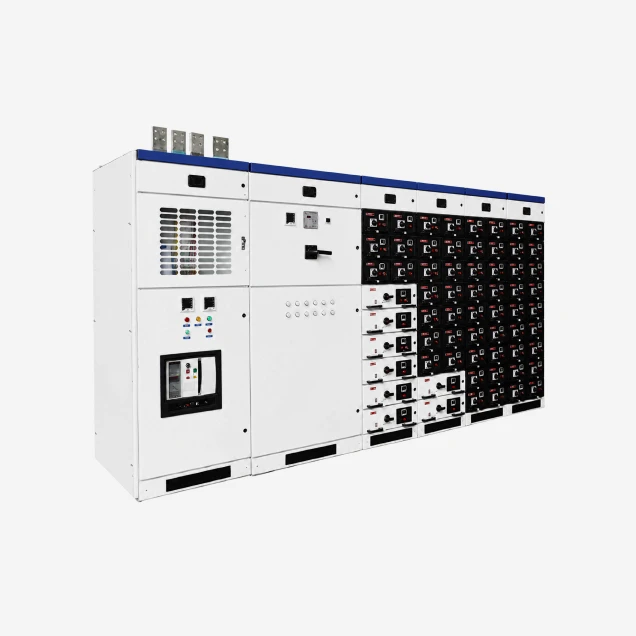
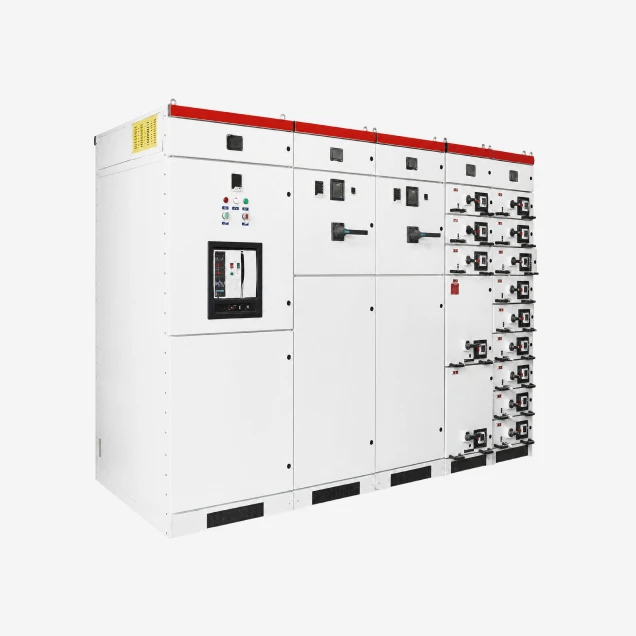
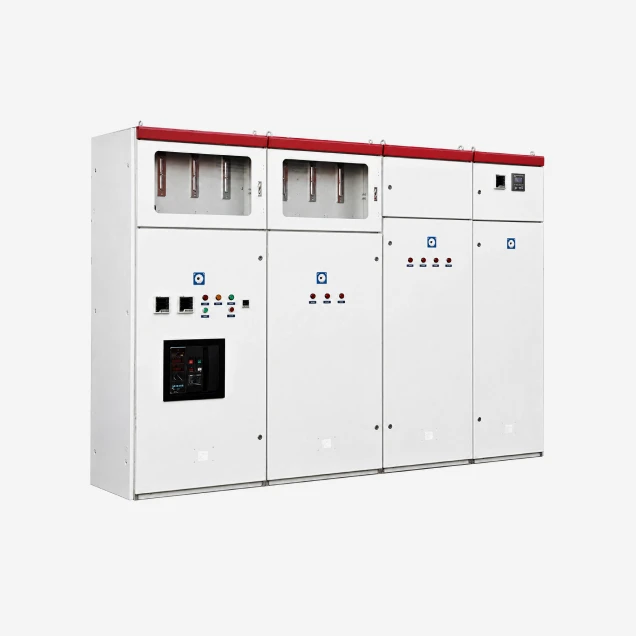
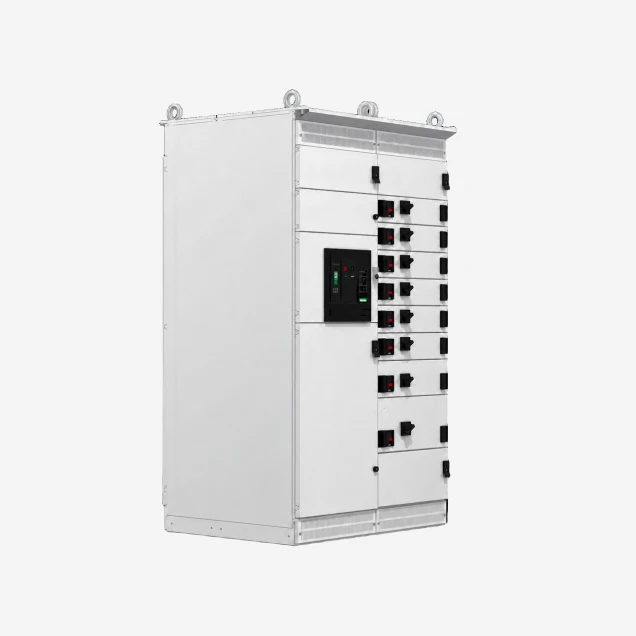
GGD is a fixed-mount power distribution panel rated to 3150 A and around 50 kA short-time withstand. It is hard-wearing and economical, used where the circuit layout is stable. GCK is a withdrawable drawer type reaching 6300 A on the busbar, used for power distribution and motor control. GCS is a withdrawable type to 4000 A, with separated busbar, functional-unit, cable, and control compartments and up to eleven drawer layers, popular for motor control centres. MNS is a modular withdrawable system to 6300 A and the highest short-circuit rating, with fine-pitch drawer modules for dense motor control and critical boards. The XL-type and the outdoor JP integrated cabinet round out the range for distribution boxes and street-side supply.
Power Centre and Motor Control Centre
Low voltage boards usually take one of two roles. A power centre (PC) is the main distribution board, with large incoming and feeder breakers; GGD and GCK are common here. A motor control centre (MCC) groups many motor starters into one board, each in a drawer, so motors can be added, swapped, or serviced one at a time; GCS and MNS suit this duty. A single project often has a PC feeding several MCCs.
Devices Inside: ACB and MCCB
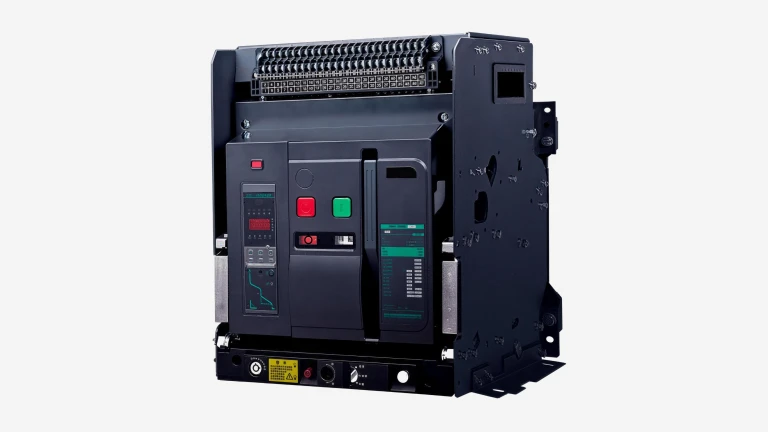
The incoming and bus-tie positions use an air circuit breaker (ACB), which handles the highest currents and provides adjustable protection for the main supply. Outgoing feeders and motor starters use moulded-case circuit breakers (MCCB), often with a contactor and overload relay for motors. We fit breakers and relays from the brand your project, consultant, or local code calls for, and we set the trip and protection scheme from your single-line diagram.
Low and Medium Voltage Together
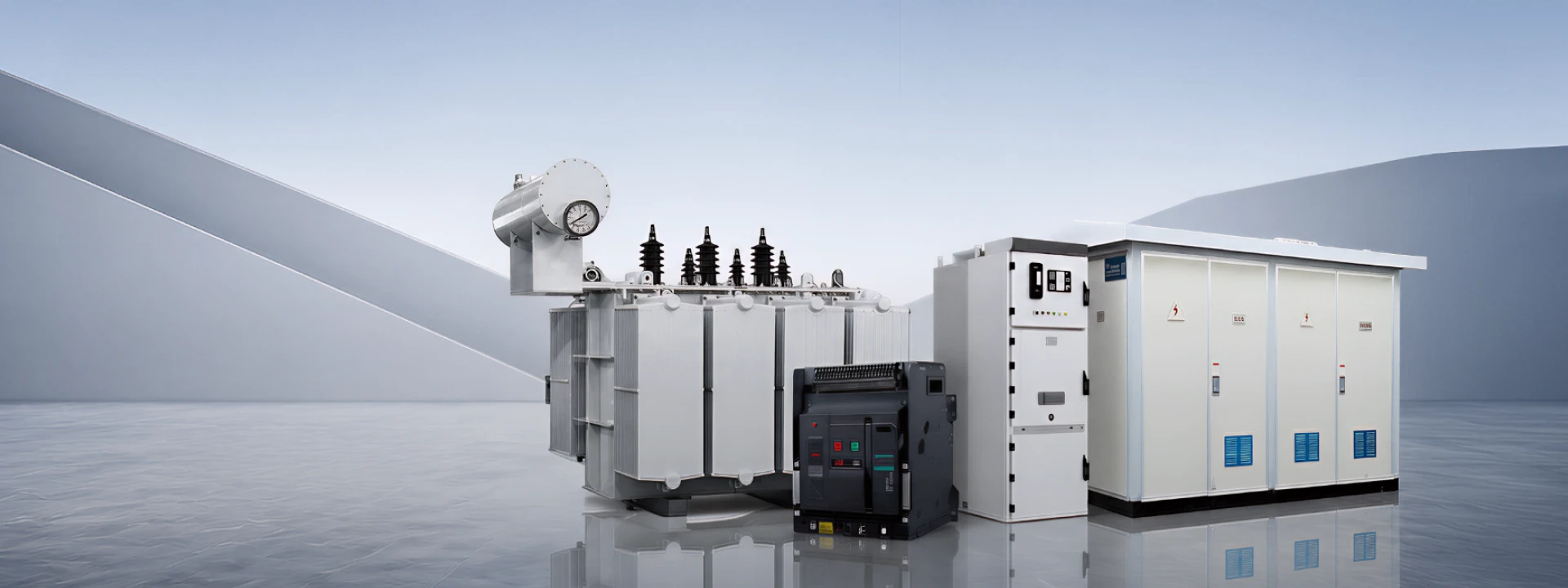
Most distribution projects need both low and medium voltage switchgear: the MV board feeds the transformer, and the LV board distributes the transformer output. Sourcing the two from different vendors creates interface and responsibility gaps. STELLAR builds both, so the medium voltage switchgear and the LV boards share one engineering team and one factory. That makes the complete substation-to-load package a single order with one point of accountability.
Ratings and Standards
Our low voltage switchgear covers systems up to 690 V, with main busbars rated to 6300 A and short-time withstand current up to 100 kA for 1 second on the modular types. Standard enclosure protection is IP40, with IP54 available for harsher rooms. Every assembly is design-verified to IEC 61439-1 and IEC 61439-2, equivalent to GB/T 7251.1 and GB/T 7251.12, with the devices inside carrying their own product approvals.