search
Search

Search for equipment models, voltage specifications, or project references.

Air Insulated Switchgear

Air Insulated Switchgear

STELLAR Air Insulated Switchgear Manufacturer

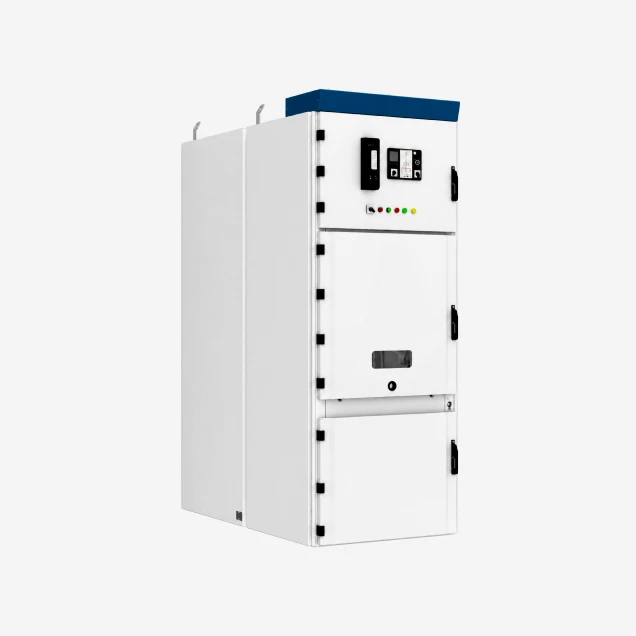
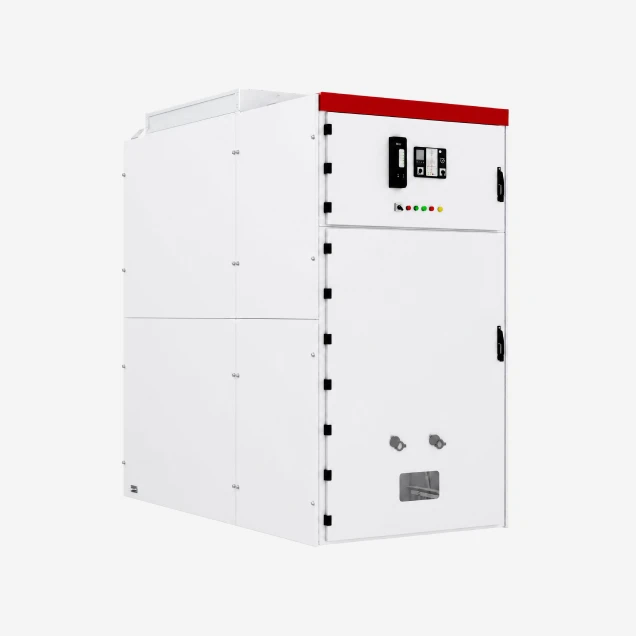
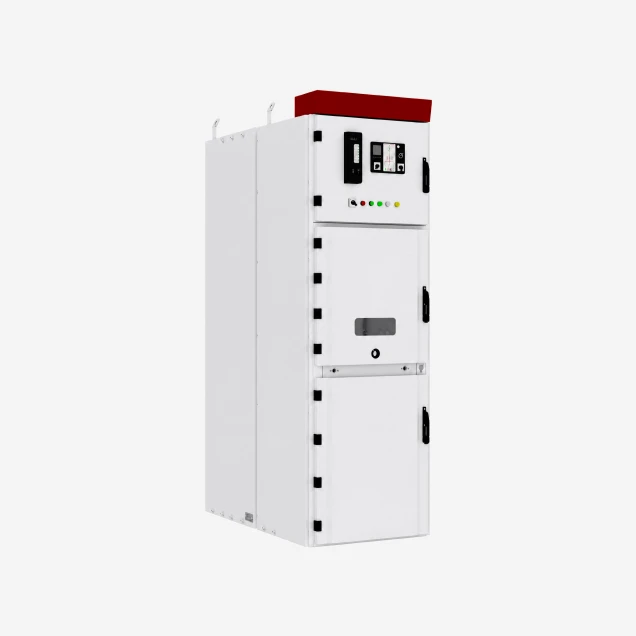
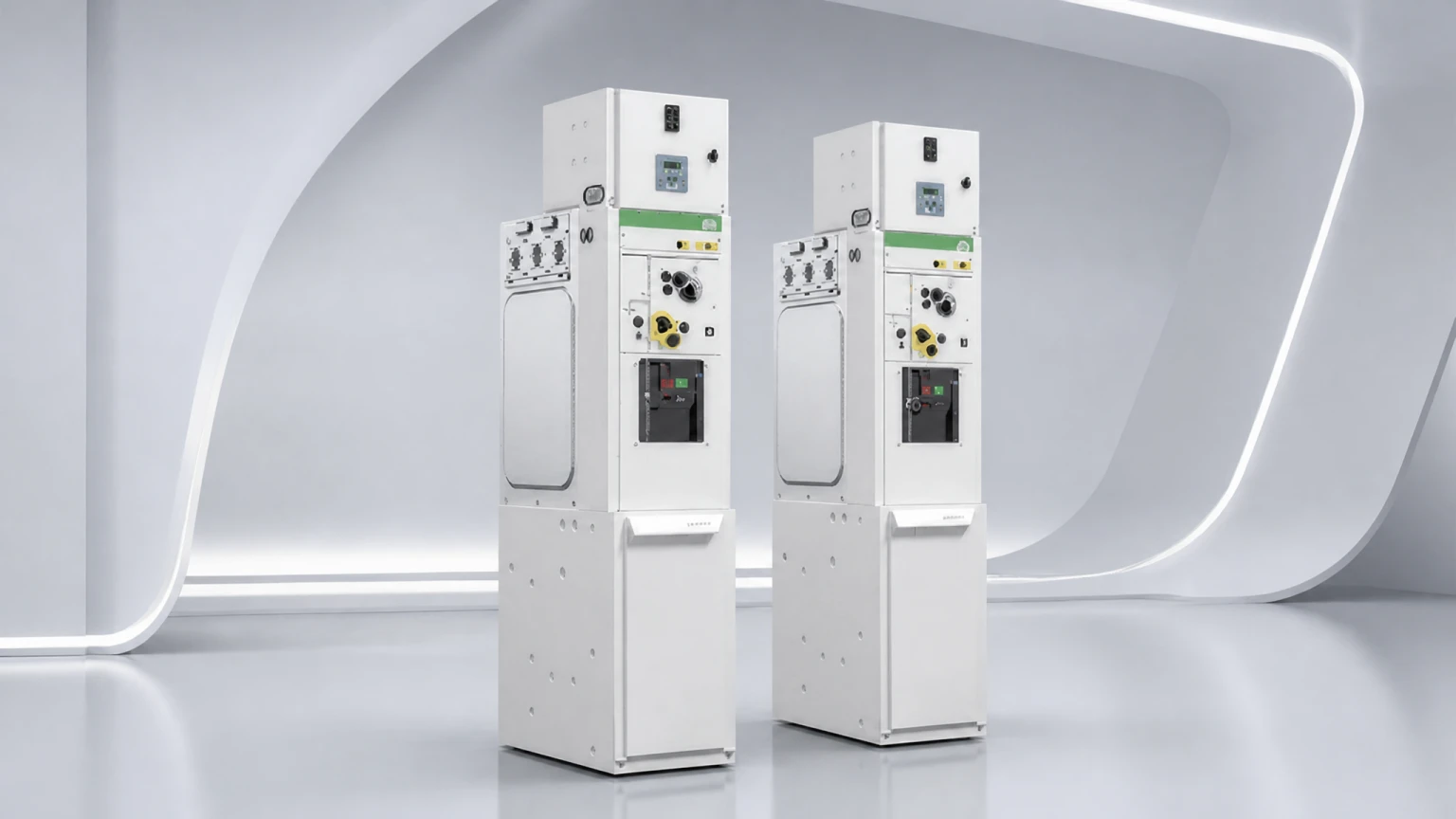
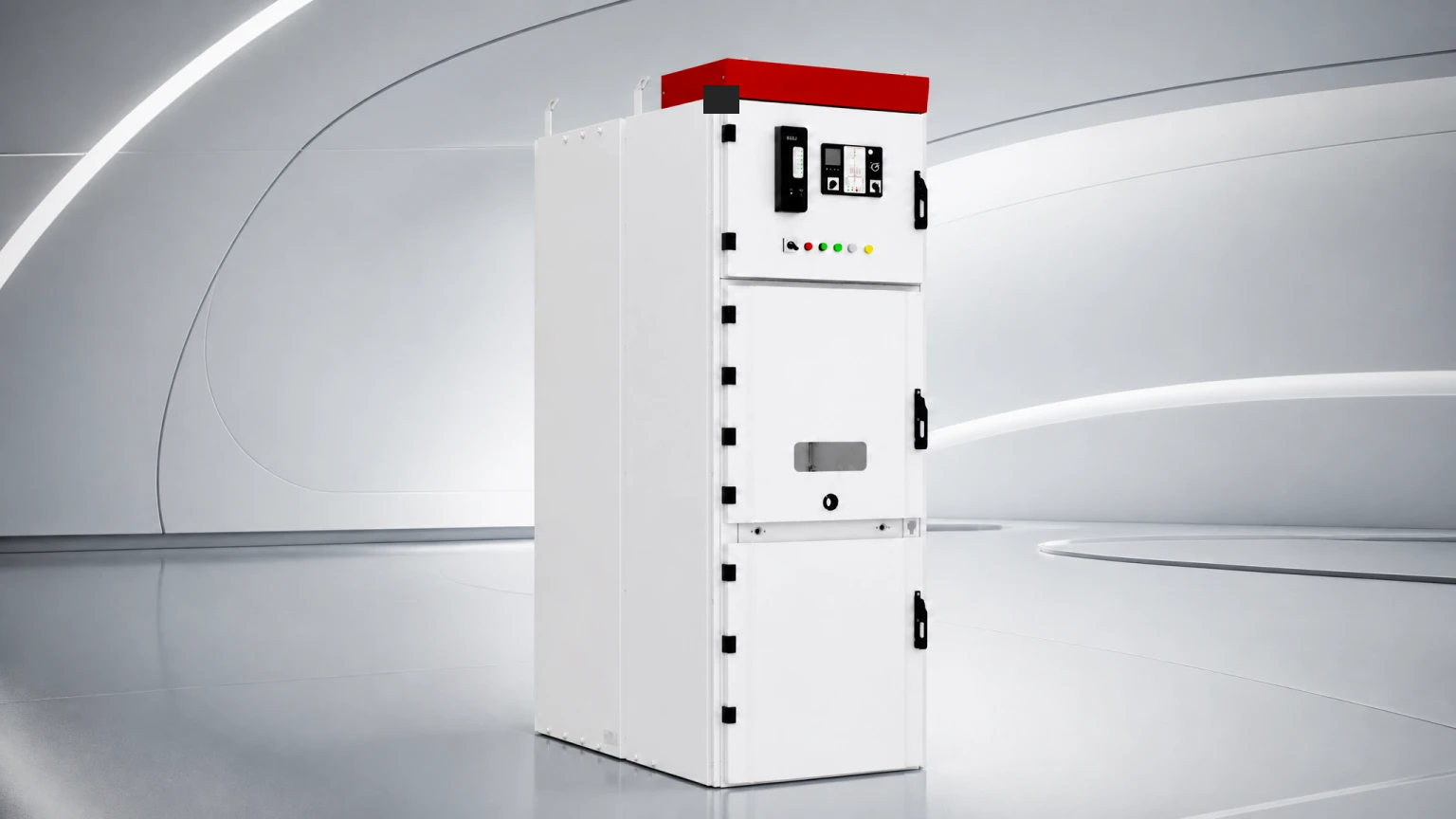
STELLAR builds air insulated switchgear (AIS) for 12 kV to 40.5 kV distribution. Air is the insulating medium between live parts, the oldest and most widely used approach in medium voltage switchgear. The range spans the KYN28A and KYN61 withdrawable metal-clad panels for primary distribution and the HXGN-12 air-insulated ring main unit for cable networks.

AIS stays the default choice for most indoor sites: it is simple, well understood, lower in upfront cost than sealed gas designs, and open for inspection and repair. Panels are type-tested to IEC 62271-200 and GB 3906, configured from your single-line diagram, and factory-tested before shipment.

Air as the Dielectric

Live parts insulated by air clearances, a proven and well-understood design.


Simple and Serviceable

Fewer sealed parts and no gas to manage over the panel's life.


Easy to Inspect and Repair

Open access to busbar, breaker, and cable for inspection and repair.


Lower Installed Cost

Lower upfront cost than sealed gas designs on most indoor sites.


Air Insulated Switchgear Range

ModelFormatRated VoltageRated CurrentShort-Time Withstand
KYN28A-12Metal-clad, withdrawable12 kV630–4000 A31.5 / 40 kA (4 s)
KYN28A-24Metal-clad, withdrawable24 kV1250–3150 A31.5 / 40 kA (4 s)
KYN61-40.5Metal-clad, withdrawable40.5 kV1250–3150 A31.5 / 40 kA (4 s)
HXGN-12Air-insulated ring main unit12 kV630 A20 kA (1 s)

All panels are built to IEC 62271-200 (equivalent to GB/T 3906-2020), with LSC2B service continuity and internal arc classification on the metal-clad lineups. Rated insulation level follows the voltage class: 42 kV and 75 kV at 12 kV, 65 kV and 125 kV at 24 kV, 95 kV and 185 kV at 40.5 kV.

Air Insulated Switchgear Product Range


Air Insulation, Proven and Easy to Maintain

Air insulated switchgear uses air gaps to hold off voltage between live parts and earth. It is the longest-running switchgear technology, so the design is well understood and the cost is lower than sealed gas panels. The trade-off is size and environment: air needs clearance, so panels are larger, and open contacts are sensitive to dust and damp. Where space is tight, gas insulated switchgear is the compact alternative.

· Air clearances do the insulating, no gas system
· Lower upfront cost, simple and proven
· Best in clean, dry, well-ventilated rooms


Open Access for Inspection and Repair

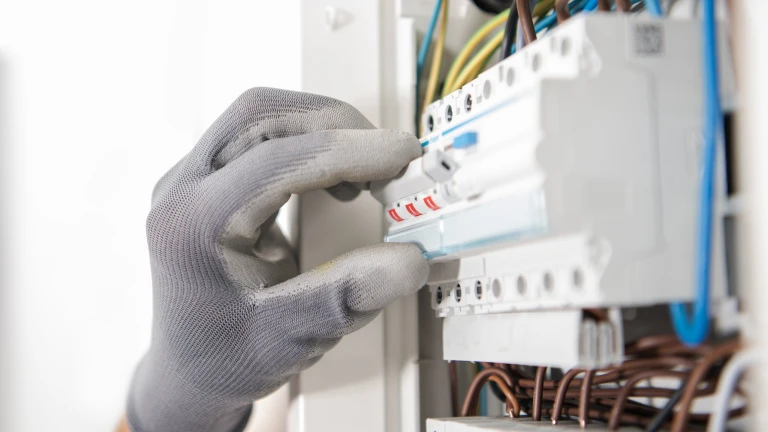
With air as the medium, the live parts are reachable. A technician can open a compartment, see the busbar and contacts, and inspect or replace a part without recovering gas or returning the panel to a factory. That keeps maintenance simple and spare-part swaps quick, and it makes fault finding straightforward on site.

· Open access to busbar, breaker, and cable
· Inspect and repair on site, no gas handling
· Quick spare-part replacement


Metal-Clad and Ring Main Formats, to Your Standard

We build air insulation in two formats. The KYN28A and KYN61 are withdrawable metal-clad switchgear for substation incomers and feeders, with breaker compartments and internal arc classification. The HXGN-12 is an air-insulated ring main unit for cable distribution. Both take tier-one breakers and are built to your standard.

· Metal-clad KYN panels for primary distribution
· Air-insulated RMU for cable rings
· ABB, Siemens, or Schneider breakers to your scheme

About STELLAR

STELLAR is a Singapore-headquartered manufacturer of switchgear, transformers, and complete power distribution equipment, serving utilities, contractors, and distributors in 50+ countries. From single-line diagram to commissioning support, we deliver project-configured electrical systems built to IEC and GB standards.

About Us Facility Solutions

FAQs

What is air insulated switchgear (AIS)?

Air insulated switchgear is medium voltage switchgear that uses air as the insulating medium between live parts and earth, rather than a sealed gas. It is the oldest and most common switchgear type. The air gaps and creepage distances are sized to the voltage class, which makes the panels straightforward, well understood, and open for inspection.

What is the difference between air insulated and gas insulated switchgear?

The difference is the insulating medium and what it costs you. AIS uses air gaps, so it is simpler, lower in cost, and easy to inspect and repair, but it takes more floor space and is sensitive to dust and humidity. Gas insulated switchgear seals the live parts in gas, so it is compact and sealed against the environment, but it costs more and needs gas handling for any internal work. Many projects use AIS in clean indoor rooms and GIS where space is tight.

What formats and voltages do you offer in AIS?

We offer AIS as withdrawable metal-clad panels, the KYN28A for 12 kV and 24 kV and the KYN61 for the 40 kV class, and as the HXGN-12 air-insulated ring main unit for 12 kV cable networks. See the range table above for ratings, or the medium voltage switchgear overview for other insulation types.

How much maintenance does air insulated switchgear need?

AIS is easy to maintain because the live parts are reachable. Routine work is periodic cleaning, inspection of contacts and insulation, and checking the mechanism. There is no gas to monitor or recover. Keeping the room clean and dry matters, since open contacts pick up dust and moisture over time.

When should I choose AIS over GIS?

Choose AIS when the room has space, stays clean and dry, and budget or easy servicing matters. Air-insulated metal-clad panels suit substation incomers, feeders, and motor circuits in well-ventilated switchrooms. Move to GIS when floor space is tight, the site is humid, coastal, or dusty, or the network needs the most compact footprint.

Air Insulated Switchgear Explained

Air insulated switchgear (AIS) is medium voltage switchgear that relies on air as the insulating medium between live conductors and the earthed enclosure. It is the oldest and most widely installed switchgear technology, used across utility, industrial, commercial, and infrastructure power systems. The design is simple and well understood, which keeps cost down and makes the panels easy to inspect, service, and repair.

How Air Insulation Works

In an AIS panel, the voltage is held off by distance. Live parts are spaced from each other and from the earthed metal by an air clearance sized to the voltage class, and the surface path along insulators is set by the creepage distance. Higher voltage needs bigger gaps, which is why a 40.5 kV panel is larger than a 12 kV one. Air does the standoff, while the current is broken by a vacuum interrupter in the circuit breaker. Because the insulation is open air, the panels are sensitive to anything that lowers the dielectric of that air: dust, moisture, condensation, salt, and pollution. Clean, dry, ventilated switchrooms are where AIS performs best.

Air Insulated vs Gas Insulated Switchgear

AIS and GIS do the same job at the same ratings; they differ in the insulating medium. AIS uses air, so it is simpler, cheaper, and open for inspection and repair, but it needs clearance space and a clean environment. Gas insulated switchgear seals the live parts in SF6 gas, so it is far more compact and immune to the environment, at a higher cost and with gas handling for internal work. A simple rule: AIS where space and budget allow and the room is clean and dry; GIS where floor space is scarce or the site is harsh. Many networks use both, choosing per location.

FactorAir insulated (AIS)Gas insulated (GIS)
InsulationAir gaps and creepage distanceSF6 gas in a sealed tank
FootprintLarger; needs clearancesCompact, around one third of AIS
EnvironmentSensitive to dust and humiditySealed against dust, damp, salt
MaintenanceOpen access, inspect and repair on siteLow routine, gas handling for repair
Upfront costLowerHigher


Air-Insulated Formats: Metal-Clad and Ring Main

Air insulation is used across switchgear formats. The most common is the withdrawable metal-clad panel: the KYN28A-12, KYN28A-24, and KYN61-40.5 are air-insulated metal-clad switchgear, with separate compartments and a withdrawable breaker, used for substation incomers and feeders. For cable distribution, the HXGN-12 is an air-insulated ring main unit. So air insulation covers both breaker-based primary switchgear and load-switch distribution units, which is part of why it remains the default across so many networks.

Maintenance and Serviceability

The practical strength of AIS is access. Because the insulation is air, a worker can open a compartment, see the busbar and contacts, and clean, inspect, or replace a part on site, with no gas to recover or refill. Routine maintenance is periodic cleaning, a check of contacts and insulation surfaces for tracking or dust build-up, and exercising the mechanism. Spare parts are easy to fit. For a utility or plant that wants to maintain its own switchgear without specialist gas equipment, that simplicity is a real advantage.

Dry Air and the SF6-Free Question

Conventional AIS uses the ordinary air in the room as part of its insulation. Separately, the industry is developing SF6-free sealed switchgear that uses clean dry air or other gases inside a tank instead of SF6, sometimes marketed as dry air insulated switchgear; that is a sealed design aimed at replacing SF6 in compact panels, different from open-air AIS. For most projects that simply want to avoid SF6, an air-insulated metal-clad panel or a solid-insulated ring main unit already does the job without any fluorinated gas. We can advise on the right route for your network and local rules.

Where AIS Is the Right Choice

Air insulated switchgear is the right pick when the switchroom has space and stays clean and dry, when budget matters, and when the operator wants to inspect and service the gear without gas equipment. It covers utility substation incomers and feeders, industrial transformer and motor circuits, power plant auxiliaries, and commercial and infrastructure distribution. Where the building cannot spare the floor area, or the environment is humid, coastal, or dusty, a gas-insulated design is usually the better fit. For the full switchgear range and other insulation platforms, see the medium voltage switchgear overview.

Voltage, Ratings, and Standards

Our air-insulated range covers the 12 kV, 24 kV, and 40.5 kV classes, with metal-clad currents to 4000 A and short-circuit ratings to 40 kA, and the air-insulated RMU at 12 kV and 630 A. Rated insulation levels follow the voltage class: 42 kV power-frequency and 75 kV impulse at 12 kV, 65 kV and 125 kV at 24 kV, and 95 kV and 185 kV at 40.5 kV. All panels are type-tested to IEC 62271-200, equivalent to GB/T 3906-2020, with internal arc classification on the metal-clad lineups.