search
Search

Search for equipment models, voltage specifications, or project references.

Compact Substation

Compact Substation

STELLAR Compact Substation Manufacturer

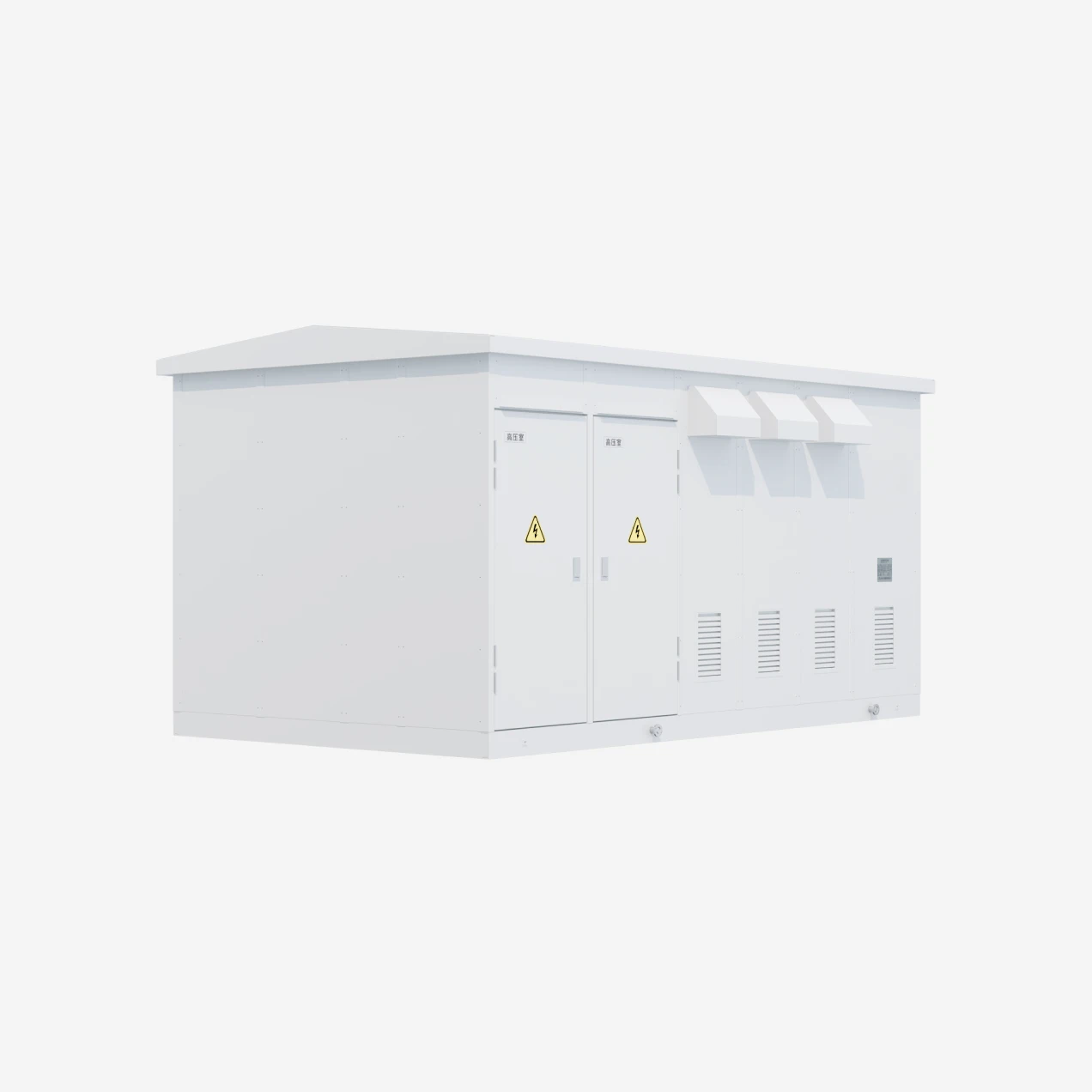
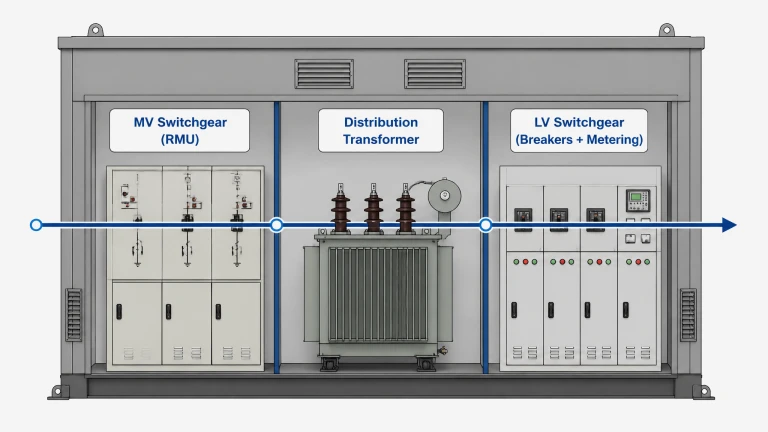
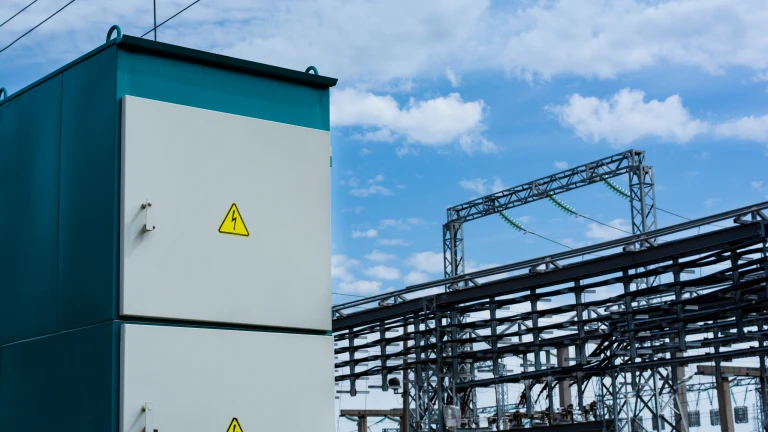
STELLAR builds compact substations, also called package or box-type substations, that put the medium voltage switchgear, the distribution transformer, and the low voltage panel into one factory-assembled enclosure. A single unit takes in 11 kV or 33 kV, steps it down through the transformer, and distributes 400 V to the local load, replacing a fenced substation and a separate switchroom with one weatherproof box.

Each unit is built and type-tested in the factory to IEC 62271-202 and GB/T 17467, then delivered ready to set on a pad and connect. The medium voltage side is usually a ring main unit, the transformer is oil immersed or dry type, and the low voltage switchgear carries the outgoing breakers and metering, all configured from your single-line diagram.

MV, Transformer, LV in One

Medium voltage switchgear, transformer, and low voltage panel in a single enclosure.


Factory-Assembled and Tested

Built and type-tested in the factory, delivered ready to set and connect.


Outdoor, Small Footprint

Weatherproof box sits outdoors on a small pad, with no switchroom needed.


European or American Type

Compartment-style European type or combined American type, to suit your network.


Compact Substation Types

TypeLayoutHV / LVTransformer
EuropeanSeparate MV, transformer, and LV compartments≤36 kV / 400 VOil or dry, to 2500 kVA
AmericanTransformer-integrated combined unit≤36 kV / 400 VOil-immersed, to 1600 kVA

The medium voltage side is a ring main unit or air-insulated switchgear; the low voltage side carries ACB or MCCB feeders and optional metering and power-factor correction. Enclosure in galvanised steel, aluminium, or concrete, IP54 to IP65, with internal arc classification. Built to IEC 62271-202 and GB/T 17467-2010; TNB (Malaysia), SANS 1029 (South Africa), and other utility layouts available on request.

Compact Substation Product Range


Three Building Blocks in One Enclosure

A compact substation packages the three parts of a distribution substation into one box. The medium voltage side, usually a ring main unit or air-insulated switchgear, connects to the incoming cable ring. The oil-immersed or dry-type transformer steps the voltage down, and the low voltage switchgear distributes the 400 V output.

· MV ring main unit or air-insulated switchgear
· Oil-immersed or dry-type distribution transformer
· LV panel with outgoing breakers and metering


Factory-Built, Outdoor, Fast to Install

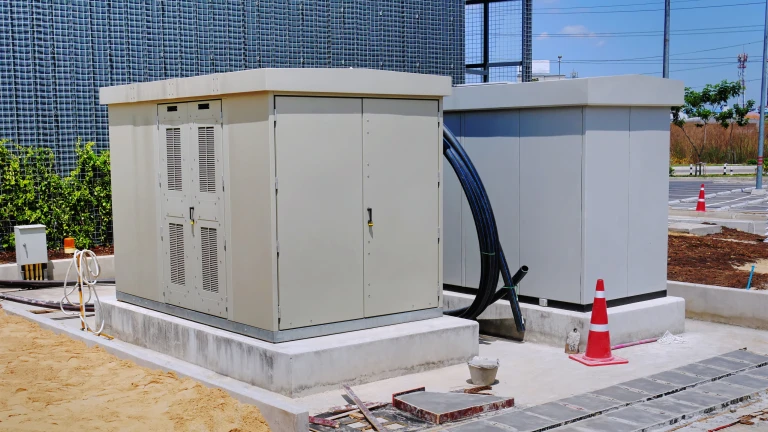
Because the whole substation is assembled and type-tested in the factory, it arrives as one unit that drops onto a prepared pad and wires up in a fraction of the time a built-up substation takes. The weatherproof enclosure, rated IP54 to IP65, sits outdoors with no building or switchroom around it, so it fits tight urban plots, construction sites, and plant yards.

· Factory-assembled and type-tested as one unit
· Sits outdoors on a small pad, quick to install
· Weatherproof, internal-arc-classified enclosure


European Compartment or American Combined

Two layouts cover most needs. The European type keeps the MV switchgear, the transformer, and the LV panel in separate compartments of the same box, so one part can be serviced while the others stay live. The American type integrates the transformer into a combined, sealed unit for the smallest footprint. We build both to IEC 62271-202, and to utility layouts such as TNB and SANS where the project calls for them.

· European: separate compartments, component-level servicing
· American: combined transformer unit, smallest footprint
· IEC 62271-202, with TNB and SANS layouts available

About STELLAR

STELLAR is a Singapore-headquartered manufacturer of switchgear, transformers, and complete power distribution equipment, serving utilities, contractors, and distributors in 50+ countries. From single-line diagram to commissioning support, we deliver project-configured electrical systems built to IEC and GB standards.

About Us Facility Solutions

FAQs

What is a compact substation?

A compact substation is a factory-assembled, type-tested unit that combines medium voltage switchgear, a distribution transformer, and low voltage switchgear in a single enclosure. It takes in medium voltage, steps it down, and distributes low voltage, doing the job of a built-up substation in one weatherproof box. It is also called a package, prefabricated, box-type, or compact secondary substation.

What is inside a compact substation?

Three main parts plus the enclosure. The medium voltage side is a ring main unit or air-insulated switchgear that connects to the cable ring. The transformer, oil-immersed or dry-type, steps the voltage down. The low voltage switchgear carries the outgoing breakers, and metering or power-factor correction can be added.

What is the difference between European and American type?

The European type keeps the MV switchgear, transformer, and LV panel in separate compartments of the same enclosure, which lets a technician work on one compartment while the others stay live, and takes either an oil or dry transformer. The American type integrates the transformer into a combined, sealed unit, which is more compact and usually oil-immersed. European suits component-level servicing; American suits the smallest footprint.

What voltage and ratings do you offer?

We build compact substations for 11 kV and 33 kV incoming, stepping down to 400 V, with transformer ratings up to 2500 kVA in the European type and up to 1600 kVA in the combined American type. The medium voltage range covers up to 36 kV. Tell us the voltage, the transformer rating, and the number of feeders, and we configure the unit.

Can you build to TNB or other utility specifications?

Yes. We build to IEC 62271-202 and GB/T 17467 as standard, and to utility-specific layouts on request, including the TNB specification for Malaysia and SANS 1029 for South Africa. Routine and type-test reports come with the unit, so it can be approved for connection to the local network.

Compact Substations Explained

A compact substation is a factory-assembled, fully enclosed unit that transforms and distributes power from medium voltage, typically 11 kV or 33 kV, down to low voltage at 400 V, all inside one enclosure. It brings together the three parts that would otherwise fill a built-up substation, the medium voltage switchgear, the distribution transformer, and the low voltage switchgear, into a single box that arrives ready to install. It is also known as a package substation, a prefabricated substation, or a box-type substation.

Compact Secondary Substation and IEC 62271-202

The formal name in the IEC world is the compact secondary substation, or CSS, and the governing standard is IEC 62271-202, which defines it as a factory-assembled, type-tested transformer substation for outdoor use in public distribution networks up to 52 kV. The standard sets the requirements the whole unit must pass as one assembly: dielectric strength, temperature rise, short-circuit withstand, degree of protection, and internal arc classification (IAC), so that the substation is proven safe before it leaves the factory. In China the equivalent standard is GB/T 17467-2010.

What's Inside: The Components

A compact substation is built from a few core parts:

  • Medium voltage switchgear, usually a ring main unit for cable-ring connection, or metal-enclosed switchgear where breaker feeders are needed.
  • A distribution transformer, either oil-immersed for the best cooling and value, or dry-type where fire safety rules.
  • Low voltage switchgear with an incoming breaker, outgoing feeders, and often metering and power-factor correction.
  • A weatherproof enclosure in galvanised steel, aluminium, or concrete, with the protection and internal-arc rating the site needs.

Because each block is a product we build in its own right, the substation can be configured exactly to the project: the MV switchgear ways, the transformer type and rating, and the LV feeder schedule are all chosen to match the single-line diagram.

European vs American Type

Two construction styles dominate. The European type, oriented to IEC practice, separates the HV switchgear, the transformer, and the LV switchgear into distinct compartments within one enclosure. The physical separation lets one compartment be worked on while the others stay energised, and it takes either an oil or a dry transformer; it is widely used across Europe, the Middle East, Africa, and Asia. The American type, oriented to ANSI/IEEE practice, integrates the transformer into a single combined, sealed unit, usually oil-immersed, that is pad-mounted at ground level. It is the most compact and needs little routine maintenance, though major servicing means working on the sealed tank. The choice comes down to servicing philosophy and footprint.

Voltage, Ratings, and Sizes

Compact substations are rated from 3.3 kV up to 36 kV on the medium voltage side, with 11 kV and 33 kV the most common, stepping down to 400 V. Transformer ratings run from small units of a few hundred kVA up to 2500 kVA in the European compartment type, and up to around 1600 kVA in the combined American type. Popular sizes such as 500 kVA and 1000 kVA at 11 kV to 400 V cover most urban and industrial loads. The unit is configured to your rating, impedance, and feeder count.

Standards and Utility Specifications

The base standards are IEC 62271-202 for the substation as a whole, IEC 60076 for the transformer inside, and IEC 62271 for the switchgear, mirrored by GB/T 17467-2010 in China. Many utilities also publish their own layout and rating specifications, and we build to these where a project requires them, including the TNB specification used in Malaysia and SANS 1029 used in South Africa. Full routine-test and type-test documentation is supplied so the unit can be approved for grid connection.

Where Compact Substations Are Used

Compact substations suit any site that needs distribution power but has no room or appetite for a built-up substation. They are common in urban and residential developments, industrial parks, commercial and retail centres, data centres, and on construction sites that need a temporary supply. They are also a natural fit for renewable plants, stepping up or distributing power at solar farms, wind farms, and battery storage sites, where a factory-built unit can be dropped in quickly and moved if the layout changes.

Why Choose a Compact Substation

The appeal is speed, space, and safety. One factory-assembled and type-tested unit replaces the design, build, and separate testing of an open substation, so it installs far faster and with fewer site risks. The enclosed, weatherproof box needs only a small pad and no surrounding building, and its internal-arc-classified enclosure keeps live parts away from the public. For the matching switchgear and transformer that go inside, see the medium voltage switchgear and transformer ranges.