Low Voltage Electrical Apparatus Explained
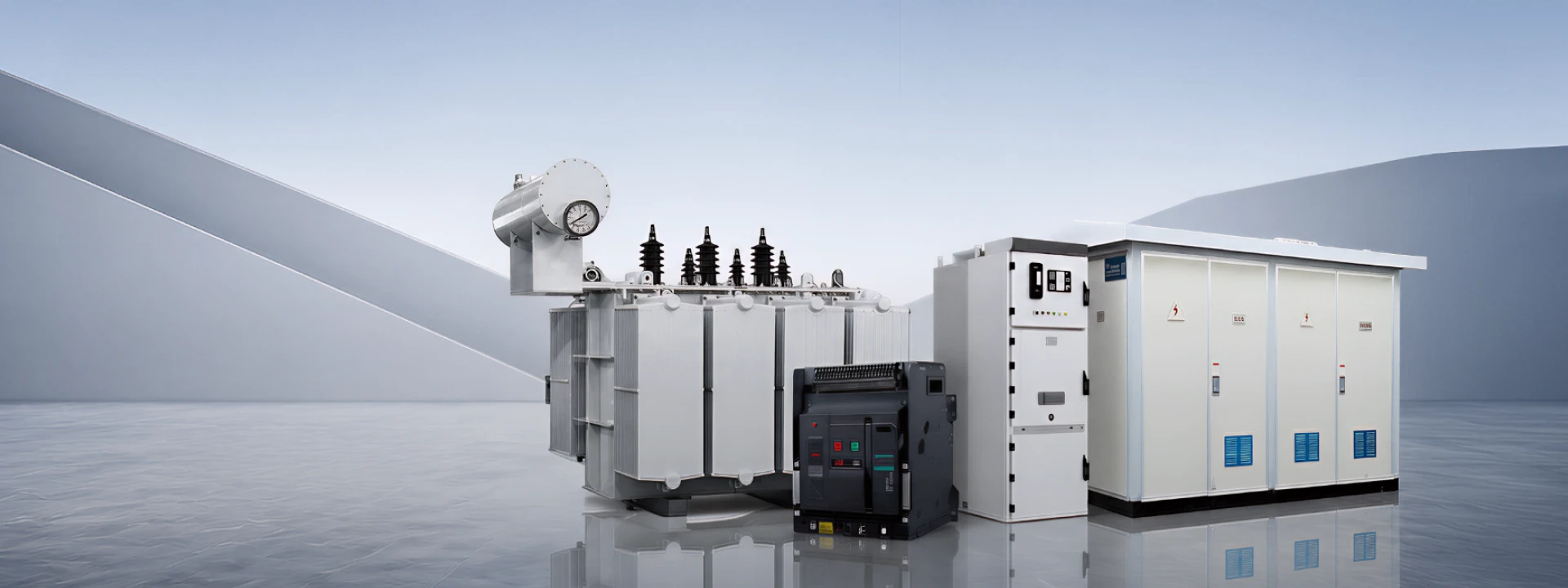
On the low voltage side, electrical apparatus is the collective name for the devices that protect, control, switch, and measure electricity below 1000 V. They fill the distribution boards, control panels, and consumer units that take the output of a distribution transformer and deliver it safely to lighting, sockets, motors, and machines. A single low voltage installation may hold dozens of these devices, from one large incoming breaker to many small final-circuit breakers.
The Five Groups of Low Voltage Apparatus
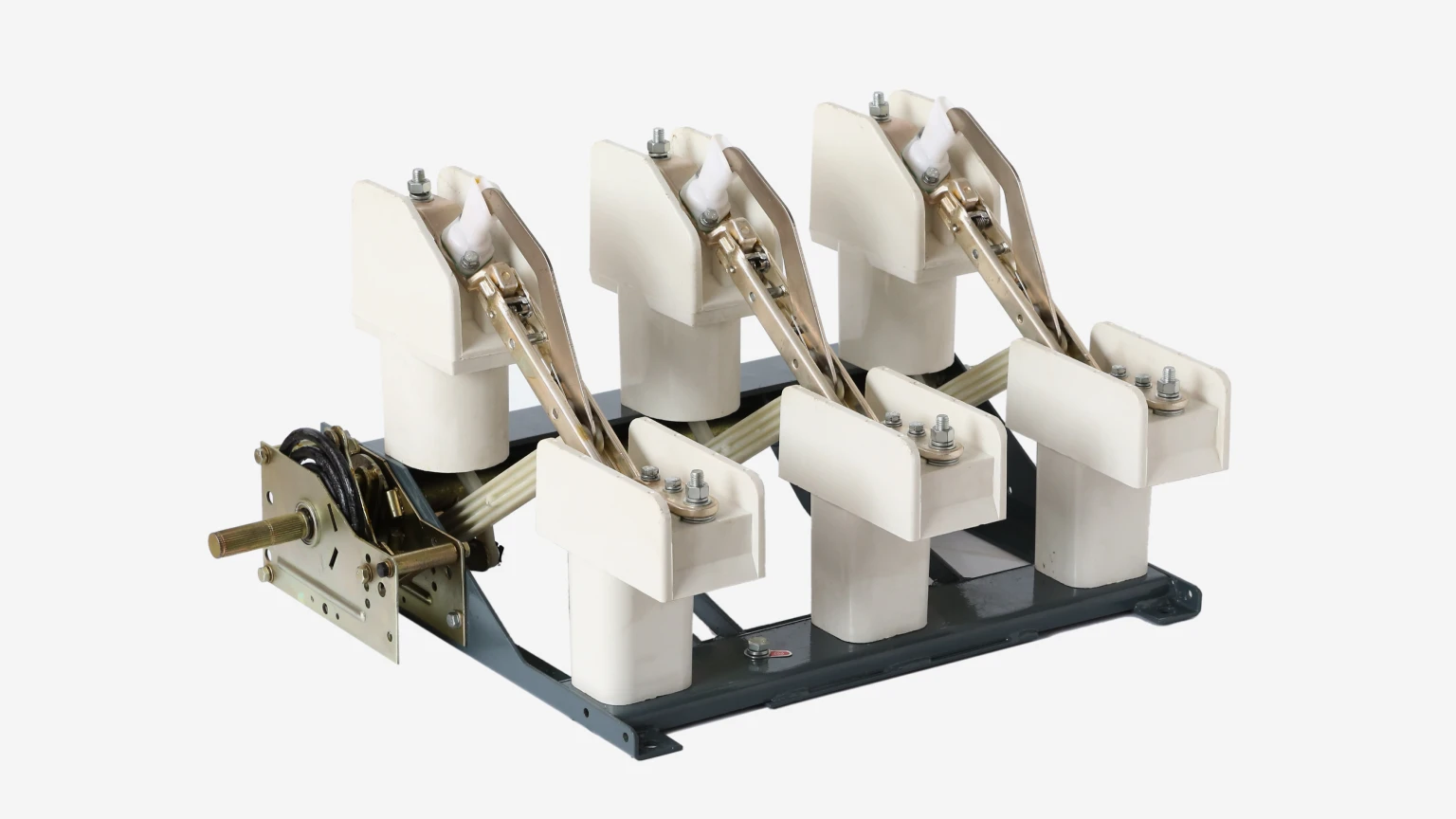
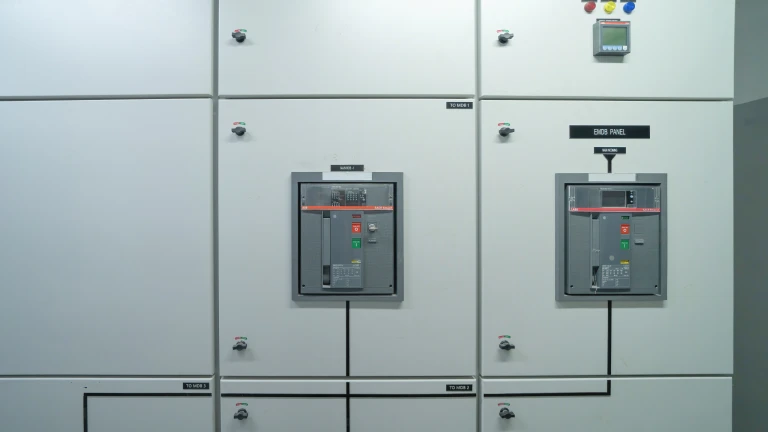
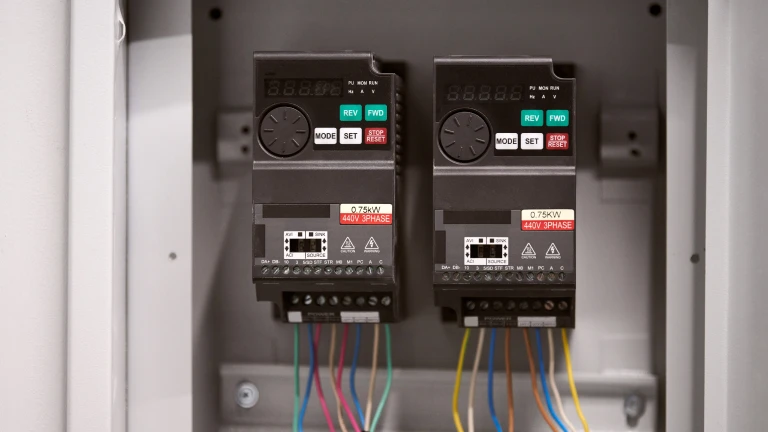
The range divides into five groups by what each device does. Distribution apparatus, the air circuit breaker (ACB), moulded-case breaker (MCCB), isolators, and instrument transformers, handles the main protection and measurement. Terminal apparatus, the miniature breaker (MCB), residual-current device (RCD and RCBO), and surge protector (SPD), guards the final circuits. Control apparatus, contactors, overload relays, motor starters, soft starters, and variable-frequency drives, runs the motors and loads. Power apparatus, automatic transfer switches (ATS), voltage stabilisers, and capacitors, manages and steadies the supply. Electronic apparatus, smart breakers, power meters, and distribution systems, adds digital monitoring and control.
Standards for Electrical Apparatus
Low voltage switching and control devices are governed by IEC 60947, the standard for low voltage switchgear and controlgear that covers circuit breakers, contactors, and starters. Miniature circuit breakers for household and similar circuits follow IEC 60898. When the devices are assembled into a board or panel, that assembly is built and tested to IEC 61439. STELLAR supplies apparatus and assemblies to these standards, with the equivalent GB standards where a project calls for them.
From Loose Components to a Tested Panel
These devices are the building blocks of an assembled panel, so STELLAR can supply them either way. Take the loose apparatus for your own boards, or have the same breakers, contactors, and meters fitted and tested inside a low voltage switchgear assembly, a distribution board, or a feeder pillar, configured from your single-line diagram. Sourcing the devices and the enclosure from one base keeps the selection coordinated and the responsibility in one place.