search
Search

Search for equipment models, voltage specifications, or project references.

Vacuum Switchgear

Vacuum Switchgear

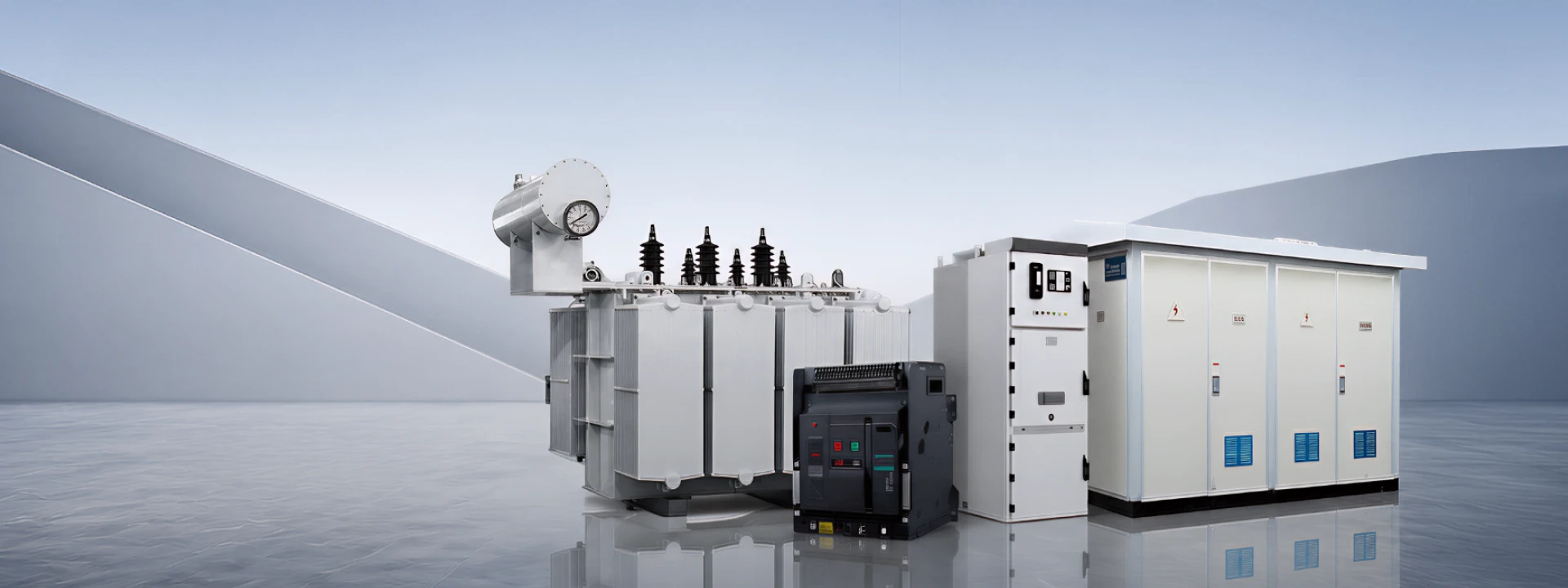
STELLAR Vacuum Switchgear Manufacturer

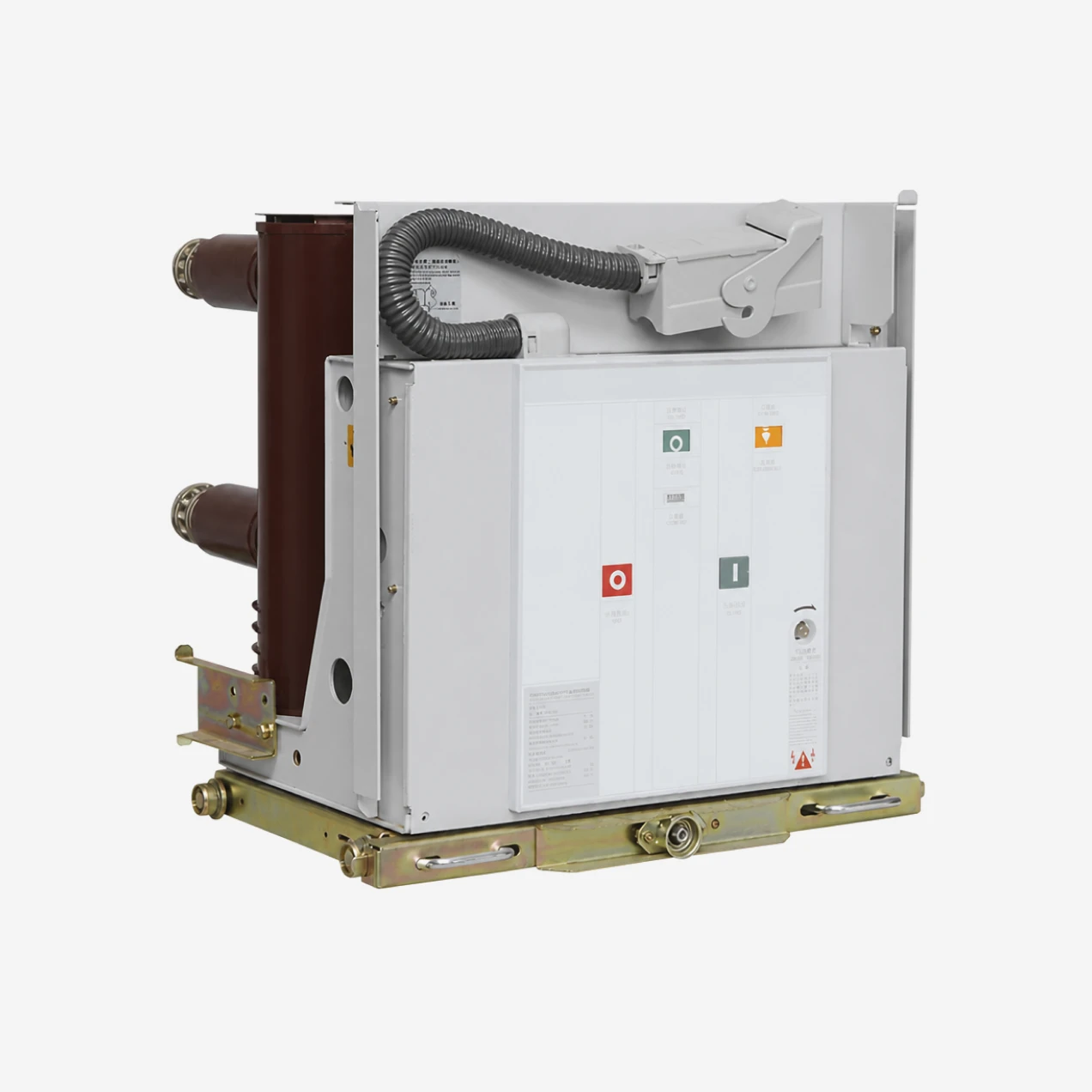
STELLAR builds vacuum switchgear for 12 kV to 40.5 kV: medium voltage panels fitted with vacuum circuit breakers (VCB) that break the current inside a sealed vacuum interrupter. The VS1 and ZN63A breakers cover 12 kV and 24 kV, and the ZN85 covers the 40.5 kV class. The breakers drop into withdrawable metal-clad switchgear for incomers, feeders, and motor circuits.

Vacuum is the interrupting medium, sealed in the bottle; the panel itself is air or solid insulated. That makes vacuum switchgear SF6-free, long-lived, and light on maintenance, which is why it has become the standard breaker technology in medium voltage distribution. Each lineup is built to IEC 62271-100 and GB 1984, configured from your single-line diagram.

Vacuum Arc Interruption

The arc is broken inside a sealed vacuum interrupter, so it clears fast and clean.


SF6-Free and Clean

No gas to leak or refill, the simplest answer to SF6 rules.


Long Life, Low Maintenance

Tens of thousands of operations with little routine service.


Built for Frequent Switching

Suited to motor, capacitor, and furnace duty that switches all day.


Vacuum Circuit Breaker Series

BreakerRated VoltageRated CurrentRated BreakingMechanical Endurance
VS1 (ZN63A-12)12 kV630–4000 A20 / 31.5 / 40 kAup to 30,000 ops
ZN63A-2424 kV1250–3150 A25 / 31.5 / 40 kAup to 20,000 ops
ZN85-40.540.5 kV1250–3150 A31.5 / 40 kAup to 20,000 ops

All breakers are built to IEC 62271-100 (equivalent to GB 1984-2014), with spring or permanent-magnet operating mechanisms and fixed or withdrawable (handcart) versions for KYN28 and KYN61 metal-clad panels. Vacuum interrupters carry mechanical class M2 and electrical class E2 endurance.

Vacuum Switchgear Product Range


The Arc Is Quenched in a Sealed Vacuum

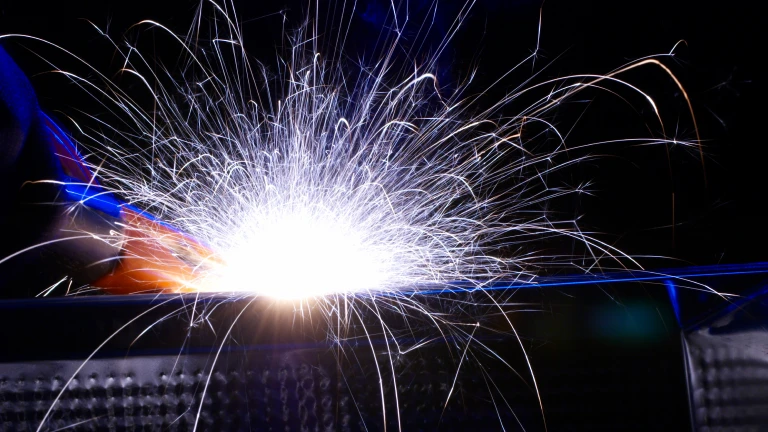
The breaking happens inside a vacuum interrupter, a sealed ceramic bottle holding a fixed and a moving contact. When the contacts part, the arc burns in metal vapour and goes out at the first current zero. With no gas left to conduct, the vacuum recovers its dielectric strength almost instantly, so the gap holds off the recovery voltage. The whole event is fast, quiet, and contained in the bottle.

· Contacts open inside a sealed vacuum bottle
· Arc clears at the first current zero
· Fast dielectric recovery, no external venting


SF6-Free, Long Life, Low Maintenance

Vacuum interruption uses no arc-quenching gas, so there is nothing to leak or refill and no fluorinated gas to report, which makes vacuum the clean answer where gas insulated switchgear would bring SF6. The sealed bottle is maintenance-free inside, and the breaker handles tens of thousands of operations, so it holds up under daily switching of motors, capacitor banks, and furnaces.

· No gas handling, no SF6 to report
· Sealed interrupter, maintenance-free inside
· Long electrical and mechanical life


VS1 and ZN85 Breakers in Metal-Clad Panels

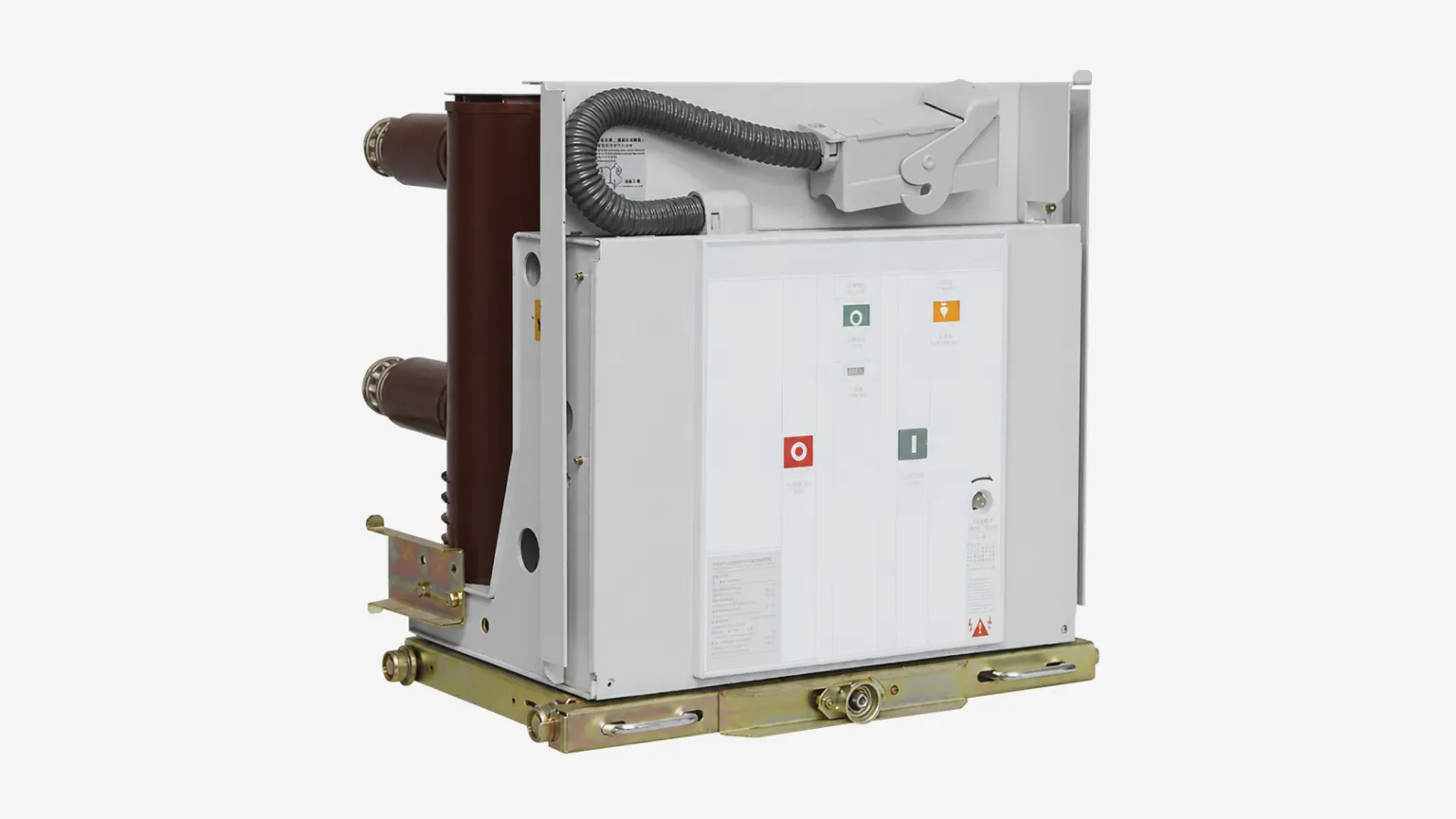
We fit VS1 and ZN63A breakers for 12 kV and 24 kV and ZN85 for the 40 kV class, in fixed or withdrawable form for metal-clad switchgear such as KYN28 and KYN61. A spring mechanism suits standard duty; a permanent-magnet mechanism suits very frequent switching. Where a project specifies it, we fit ABB VD4 or other branded breakers instead.

· VS1, ZN63A, and ZN85 vacuum breakers
· Fixed or withdrawable for KYN metal-clad panels
· Spring or permanent-magnet mechanism

About STELLAR

STELLAR is a Singapore-headquartered manufacturer of switchgear, transformers, and complete power distribution equipment, serving utilities, contractors, and distributors in 50+ countries. From single-line diagram to commissioning support, we deliver project-configured electrical systems built to IEC and GB standards.

About Us Facility Solutions

FAQs

What is vacuum switchgear?

Vacuum switchgear is medium voltage switchgear built around a vacuum circuit breaker, a breaker that interrupts the current inside a sealed vacuum interrupter. It is used for the incomers, feeders, and motor circuits of distribution boards, and it is the most common breaker technology in medium voltage networks today because it is clean, reliable, and long-lived.

Is the switchgear actually insulated by vacuum?

Not the panel itself. The vacuum sits inside the interrupter bottle and does the arc breaking; the switchgear around it is insulated by air or solid resin. So the term vacuum insulated switchgear is a little misleading, the vacuum is the interrupting medium, not the panel insulation. The breaker drops into an air-insulated metal-clad panel.

What is the difference between vacuum and SF6 circuit breakers?

Both break fault current reliably, but the medium differs. Vacuum breaks the arc in a sealed bottle with no gas, so there is nothing to leak or refill, maintenance is low, and it dominates medium voltage. SF6 breaks the arc in gas and is used mainly at higher voltages, but it brings a regulated greenhouse gas. For an SF6-free medium voltage design, vacuum is the usual choice. Where space drives a sealed-gas design, see gas insulated switchgear.

How long does a vacuum circuit breaker last?

A long time. A standard vacuum circuit breaker is rated for tens of thousands of mechanical operations, up to around 30,000, and the sealed interrupter needs no internal maintenance over that life. That endurance is why vacuum is preferred for circuits that switch often, such as motors, capacitor banks, and arc furnaces. Routine checks of the mechanism and contacts are still good practice.

Which breakers do you use, and what panels do they fit?

We fit VS1 and ZN63A breakers for 12 kV and 24 kV and ZN85 for the 40 kV class, in fixed or withdrawable form for metal-clad switchgear like KYN28 and KYN61. Where a project or grid operator names a brand, we fit ABB VD4 or other branded breakers. See the medium voltage switchgear overview for the full range.

Vacuum Switchgear Explained

Vacuum switchgear is medium voltage switchgear that uses a vacuum circuit breaker to switch and protect the circuit. The breaker interrupts the current inside a vacuum interrupter, a sealed bottle where the contacts open in a vacuum. It is the standard breaker technology across medium voltage distribution, found in substation incomers, plant feeders, motor circuits, and capacitor banks.

Is It Really "Vacuum Insulated"?

This is a common point of confusion. The vacuum does the arc interruption; it does not insulate the whole panel. Inside the sealed interrupter, the vacuum gives both excellent arc quenching and high dielectric strength across the open contacts. The rest of the switchgear, the busbar, the connections, and the cable termination, is insulated by air or by solid epoxy, the same as any air-insulated panel. So vacuum insulated switchgear really means switchgear whose breaker interrupts in vacuum, sitting in an air-insulated enclosure.

How a Vacuum Interrupter Works

The vacuum interrupter is a ceramic or glass cylinder evacuated to a very high vacuum, holding one fixed contact and one moving contact joined by a metal bellows. When the breaker trips, the moving contact pulls away and an arc forms in metal vapour boiled off the contact surface. Because there is almost nothing to ionise, the arc cannot sustain itself, and it goes out at the first natural current zero, within a few milliseconds. The instant the arc clears, the metal vapour condenses back onto the contacts and the vacuum recovers its full dielectric strength, so the gap withstands the returning voltage. Special contact shapes spin the arc with a magnetic field so it does not stay in one spot and erode the contacts.

Vacuum vs SF6 Circuit Breakers

Vacuum and SF6 are the two modern interrupting technologies, and they split by voltage. In medium voltage, vacuum has become the default: it needs no gas, so there is nothing to leak, monitor, or refill, maintenance is low, and the breaker lasts for tens of thousands of operations. SF6 breaks the arc in pressurised gas and holds the field at higher transmission voltages, but SF6 is a strong greenhouse gas under tightening regulation. For a medium voltage circuit that needs to avoid SF6, vacuum is the straightforward answer. The two are not rivals on every job: SF6 is still used as the insulating medium in compact gas insulated switchgear, and many of those panels actually use a vacuum interrupter for the breaking, with SF6 only for insulation.

Long Life and Low Maintenance

The sealed vacuum interrupter is maintenance-free inside, with no oil to change and no gas to top up. A standard vacuum circuit breaker is rated for around 10,000 to 30,000 mechanical operations and a high number of full-fault interruptions, which the standard classifies as mechanical endurance class M2 and electrical endurance class E2. For very high switching rates, such as arc furnaces, mining hoists, and soft starters, magnetic-actuator breakers reach far higher operation counts. That endurance is the main reason vacuum is specified for circuits that switch many times a day.

VS1, ZN63A, and ZN85

The common indoor vacuum breakers follow the ZN designation. The VS1, also called ZN63A-12, is the workhorse for 12 kV, rated 630 A to 4000 A and breaking up to 40 kA, with the breaker pole, mechanism, and interrupter built into one compact body. The ZN63A-24 is the 24 kV version with enhanced insulation for capacitor and furnace switching. The ZN85-40.5 covers the 40.5 kV class, with the mechanism arranged above and below the poles to keep the breaker shallow. All come in fixed or withdrawable form to suit the panel.

Where Vacuum Switchgear Is Used

Vacuum breakers sit inside metal-clad switchgear for substation incomers and feeders across utilities, industry, and renewables. Their long life makes them the clear choice for circuits with frequent operations: medium voltage motor starting, capacitor bank switching, and electric arc furnaces all switch far more often than a normal feeder, and they would wear out an oil or gas breaker. Data centres and hospitals favour vacuum for its clean, low-maintenance operation and the absence of any gas to manage on site.

Ratings and Standards

Our vacuum breakers cover the 12 kV, 24 kV, and 40.5 kV classes, with rated currents to 4000 A and breaking current to 40 kA, depending on the model. Rated insulation levels follow the voltage class, the same as any medium voltage panel: 42 kV and 75 kV at 12 kV, 65 kV and 125 kV at 24 kV, and 95 kV and 185 kV at 40.5 kV. Breakers are type-tested to IEC 62271-100, equivalent to GB 1984-2014, and the panels they sit in to IEC 62271-200. For the full switchgear range, see the medium voltage switchgear overview.