Medium Voltage Switchgear: A Buyer's Selection Guide
Medium voltage switchgear is the assembly of circuit breakers, switches, busbars, and protection that receives incoming power and distributes it across feeders at voltages between roughly 1 kV and 52 kV. In this product family the range runs from 3.6 kV to 40.5 kV. Buyers also call it MV switchgear, MV panels, or MV cubicles; the job is the same, to switch, protect, and meter the medium voltage side of a substation or plant.
What Counts as Medium Voltage?
IEC puts medium voltage at 1 kV to 52 kV AC. The common rated voltages in this band are 3.6, 7.2, 12, 24, and 40.5 kV. The 12 kV class (running on 10 kV or 11 kV systems) is by far the most installed and covers most factory, building, and distribution feeders. The 40.5 kV class on 35 kV systems handles substation incomers, large industrial plants, and renewable collector buses. Spot voltages such as 4160 V (a 4.16 kV system) and 24 kV sit inside the same 12 kV and 24 kV panel families.
Three Insulation Platforms: Air, Gas, and Solid
The insulating medium between live parts is the first decision, because it drives footprint, maintenance, and how the panel copes with the site environment.
| Insulation | How it works | Best for | Trade-off |
| Air-insulated (AIS) | Air is the dielectric, with generous clearances between live parts. | Most indoor distribution; easy inspection and parts access. | Larger footprint; sensitive to dust and humidity. |
| SF6 gas-insulated | Live parts sealed in SF6 gas inside a welded tank. | Tight rooms, humid or coastal sites, ring main units. | Sealed-for-life; gas work is done at the factory. |
| Solid (epoxy) insulated | Live parts cast in epoxy resin, isolated from air and moisture. | Polluted, humid, condensation-prone sites; low-maintenance rings. | Fixed configuration; less field-modifiable. |
One supplier covering all three platforms lets you match the technology to each site instead of forcing a single approach everywhere. Gas insulated medium voltage switchgear earns its place where space and climate are tight; air-insulated panels stay first choice where access and budget lead.
Metal-Clad, Metal-Enclosed, and Ring Main Units
Construction class decides safety and how much of the board stays live during maintenance.
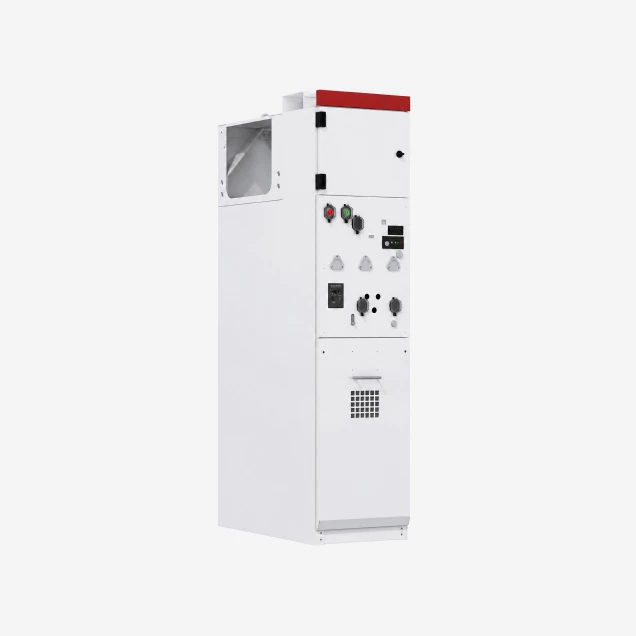
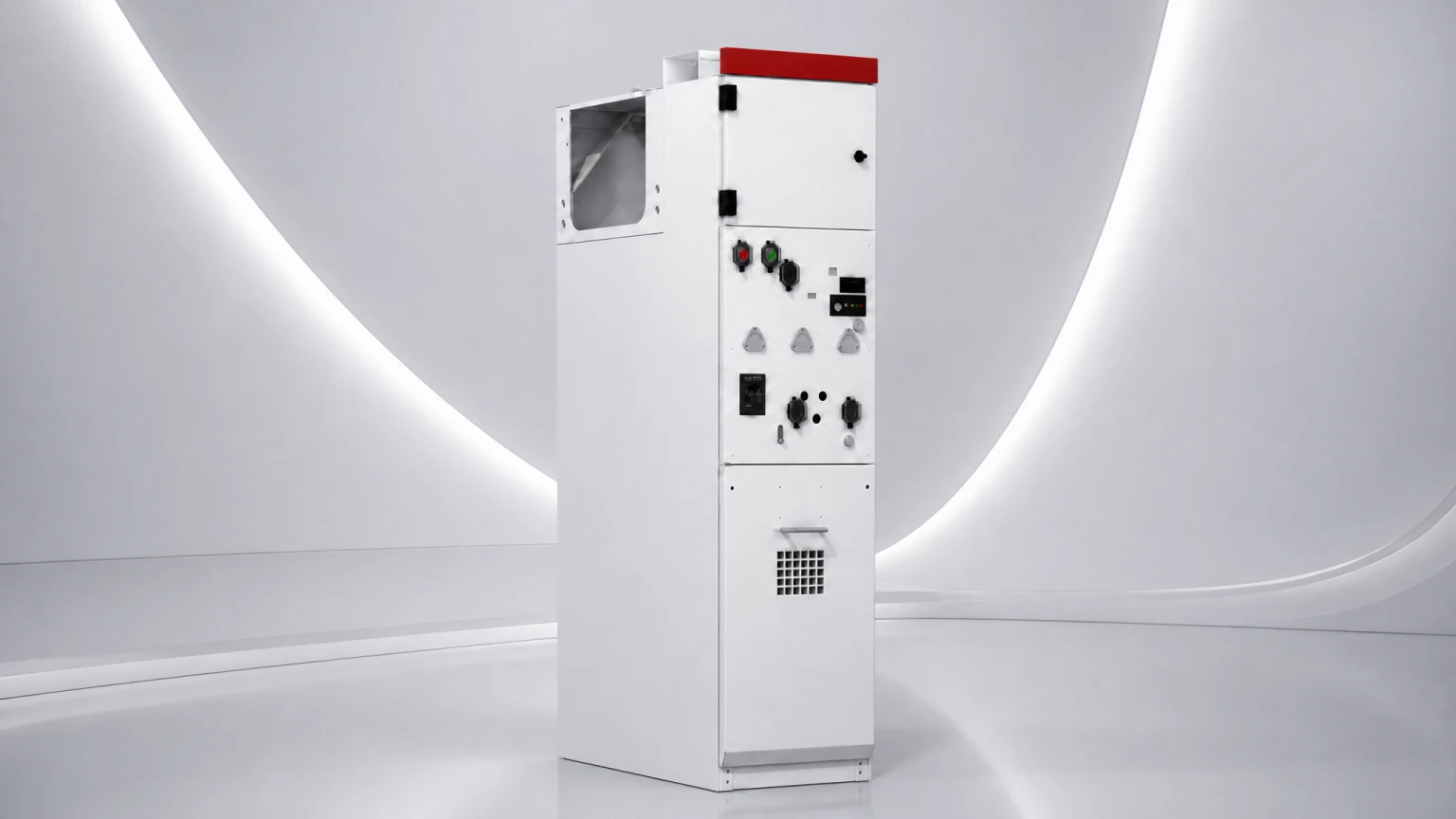
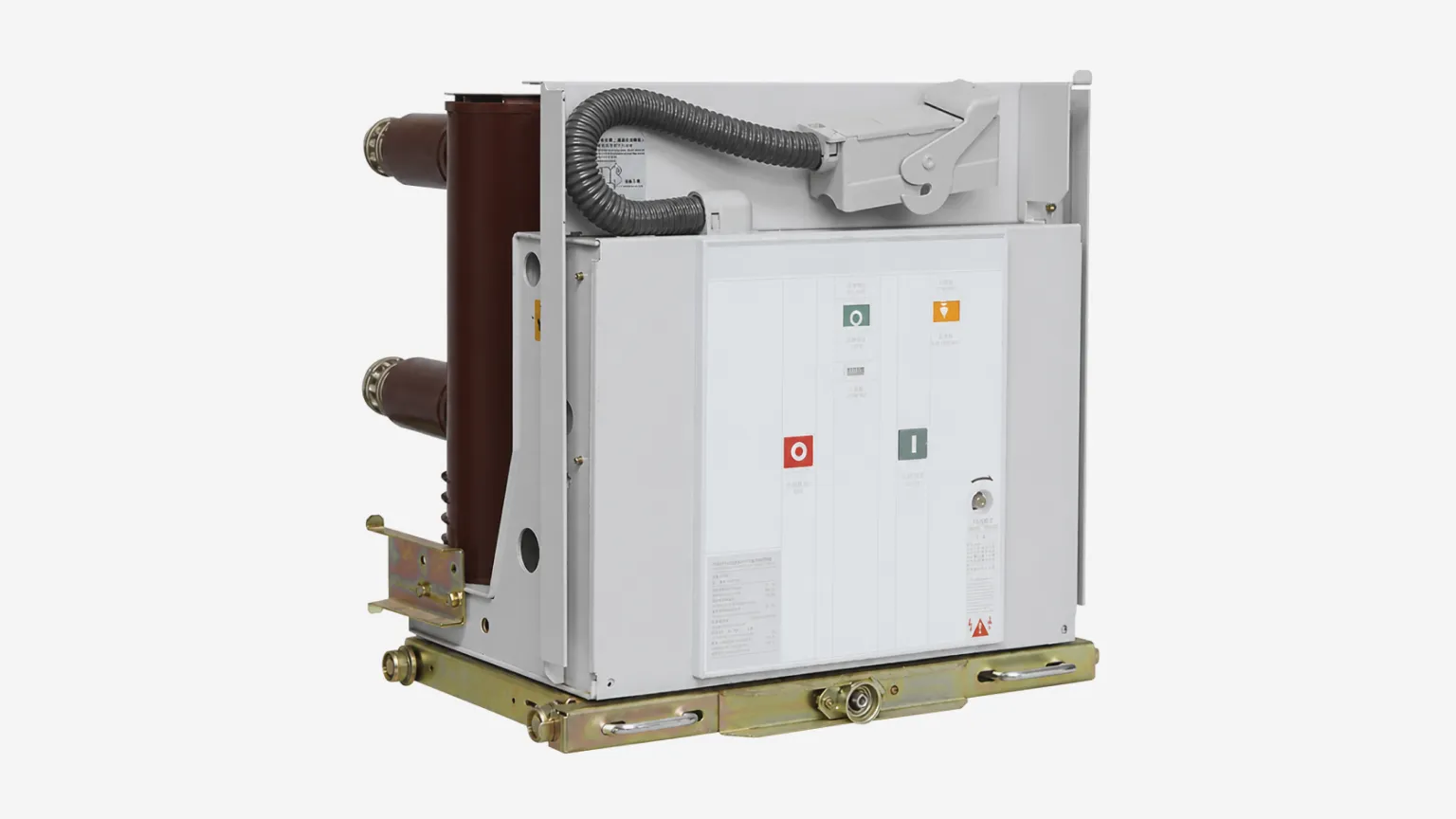
Metal-clad switchgear puts each live part, the breaker, busbar, and cable termination, in its own earthed metal compartment, with the breaker on a withdrawable truck. This is the format for primary distribution where uptime and operator safety lead. Metal-clad switchgear and withdrawable vacuum switchgear are the usual picks for incomers and feeders carrying real fault current.
Metal-enclosed switchgear uses a fixed, simpler internal layout with fewer partitions. It suits ring main and load-switch duty where full compartmentalisation is not required, and it lowers cost per panel.
A ring main unit is a compact metal-enclosed assembly, usually two load-break switches plus a fused or breaker tee-off, that sits at a distribution ring node feeding a transformer. RMUs come in SF6, air, and solid-insulated versions for indoor and outdoor cable networks.
How to Specify Medium Voltage Switchgear
Send these parameters with your single-line diagram and the quote turns around fast:
- Rated voltage and system voltage (for example a 12 kV panel on an 11 kV system)
- Rated busbar and feeder current, from 630 A to 4000 A
- Short-circuit level and duration, for example 31.5 kA for 4 s
- Insulation platform: air, SF6 gas, or solid
- Construction: metal-clad, metal-enclosed, or ring main unit
- Standard: IEC 62271-200 or GB 3906, plus any grid-operator specification
- Breaker and relay brand list your project approves
- Indoor or outdoor, with site altitude, temperature, humidity, and pollution level
Standards: IEC 62271-200 and GB 3906
IEC 62271-200 governs AC metal-enclosed switchgear from 1 kV to 52 kV. It classifies a panel three ways that matter on the data sheet. Loss of Service Continuity (LSC) describes how much of the board stays live when one compartment is opened for work; LSC2B is the highest level, where the busbar, incoming cable, and adjacent panels all stay energised while a compartment is open. Partition class PM means metal partitions and shutters between compartments. Internal Arc Classification (IAC) certifies that the panel directs the pressure and hot gas of an internal arc away from the operator, stated with accessibility type (A for authorised staff), the protected sides (front, lateral, rear), and the tested arc current and time, for example IAC AFLR 31.5 kA 1 s. China's GB 3906 covers the same 3.6 to 40.5 kV metal-enclosed scope and is accepted across most export markets. For work that calls for IEC medium voltage switchgear specifically, we build and label to IEC 62271-200.
Application by Sector
Utilities and grid operators use metal-clad panels and ring main units for substation incomers, feeders, and distribution rings. Industry and mining run metal-clad boards for transformer feeds and large motor starting. Renewable plants place MV switchgear on the collector bus between the inverters or turbines and the step-up transformer. Hospitals, data centres, and commercial buildings favour compact ring main units and air-insulated panels for clean, low-maintenance distribution. Outdoor medium voltage switchgear, meaning weatherproof RMUs and kiosk packages, feeds pad-mounted transformers on cable networks. For the low-voltage side of the same project, pair these boards with low voltage switchgear for a single-source distribution lineup.