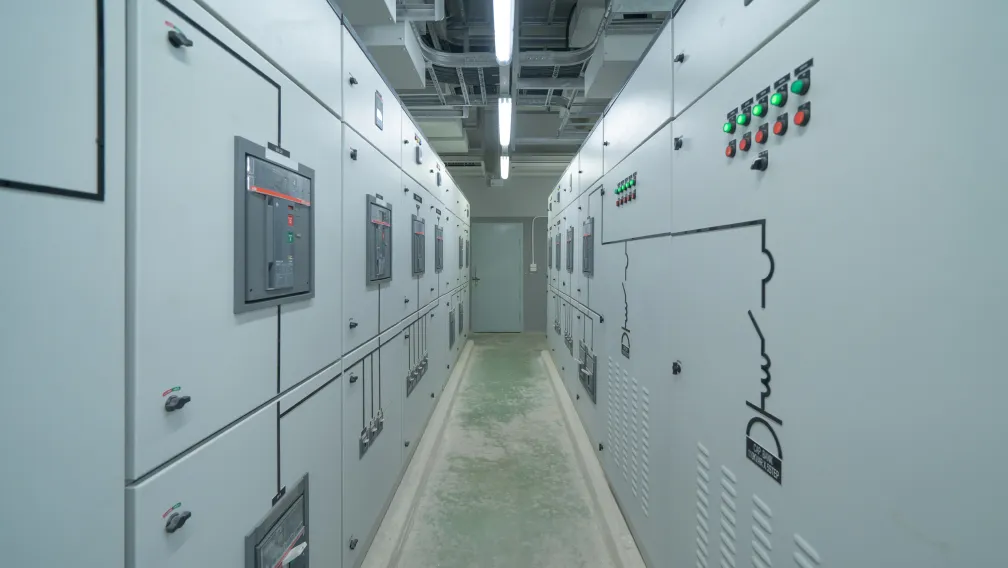


As of September 2026, the global electrical distribution manufacturing sector has entered a period of unprecedented structural constraint. While macroeconomic discussions frequently center on semiconductor fabrication and computational hardware, the physical electrical apparatus required to energize these systems has become the definitive bottleneck for industrial expansion. Procurement data released throughout the third quarter of 2026 confirms a systemic supply-demand imbalance across primary electrical assets. Project teams that previously treated electrical distribution gear as a routine, mid-cycle purchase order are now confronting delivery schedules measured in years rather than weeks. This dynamic is a fundamental market restructuring driven by the explosive power requirements of artificial intelligence data centers, ongoing grid modernization initiatives, and the mandatory transition toward environmentally compliant insulation technologies. Navigating this landscape requires EPC (Engineering, Procurement, and Construction) contractors and facility developers to overhaul their traditional procurement frameworks, shifting from transactional purchasing to strategic capacity reservation.
The Data Center Load Phenomenon
The primary catalyst for this supply chain compression is the aggressive expansion of the digital infrastructure sector. According to September 2026 industry analyses, data centers are projected to account for approximately 68 percent of total load growth in the United States through 2030. The electrical equipment market specifically serving these hyperscale and colocation facilities is expected to expand from roughly $20 billion in 2026 to over $65 billion by the end of the decade. This load growth is highly concentrated and requires specialized, high-reliability equipment. The evolution of AI training models has pushed data center rack densities from historical averages of 5 to 10 kilowatts up to 50 to 100 kilowatts per rack. This exponential increase in thermal density requires advanced liquid cooling systems, which in turn require their own robust electrical feeds. Modern AI training clusters demand massive, uninterrupted power blocks, forcing developers to procure heavy-duty infrastructure to step down transmission-level voltages to usable facility levels efficiently. The short-circuit fault current levels in these massive facilities are exceptionally high, necessitating switchgear with robust arc-quenching capabilities and heavy-duty busbar bracing. This scale of development consumes vast quantities of custom-fabricated copper busbars, industrial controls, and specialized circuit protection devices. Manufacturers are operating at maximum utilization rates, but the sheer volume of gigawatt-scale infrastructure projects absorbs production slots as soon as they become available.
Quantifying the Supply Chain Bottleneck
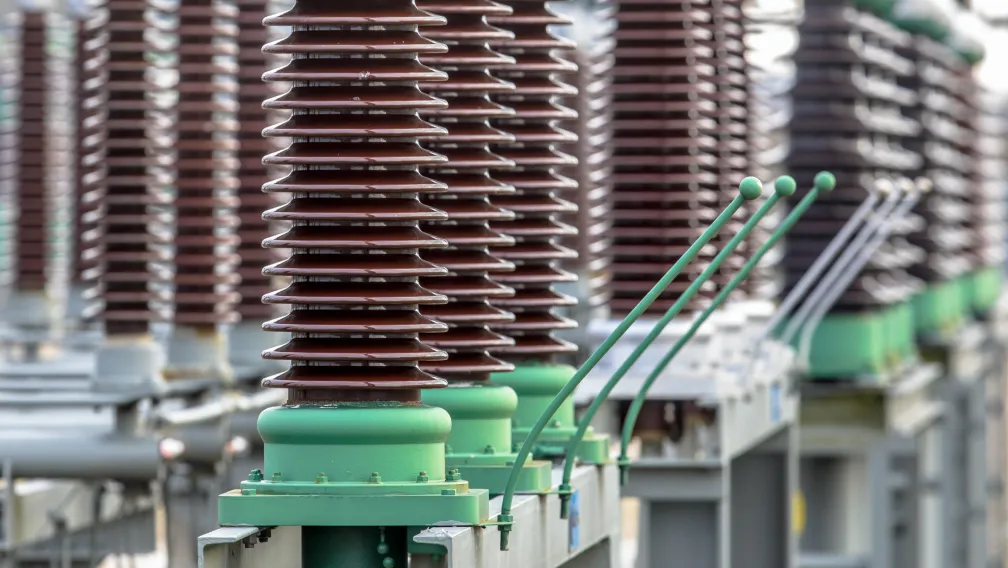
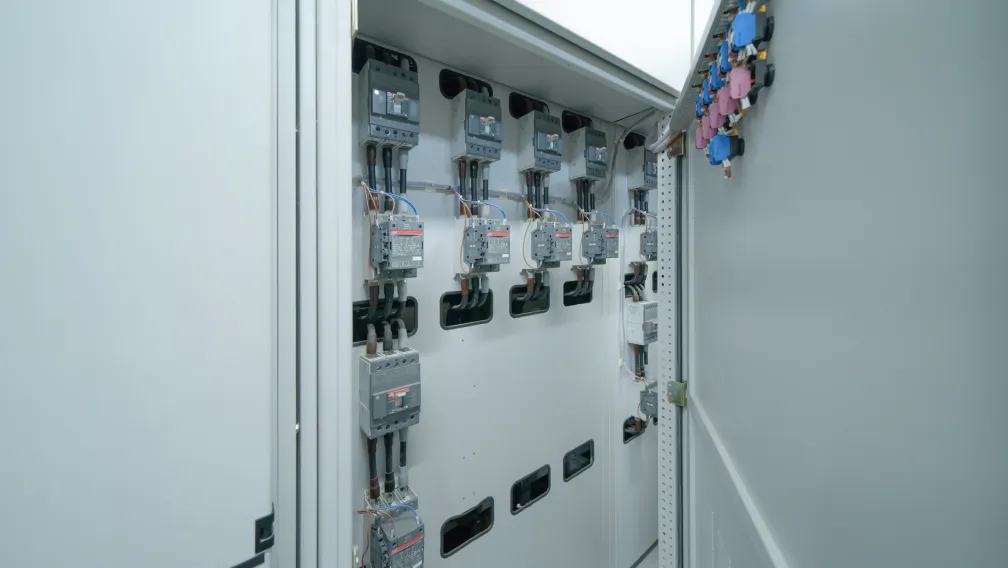
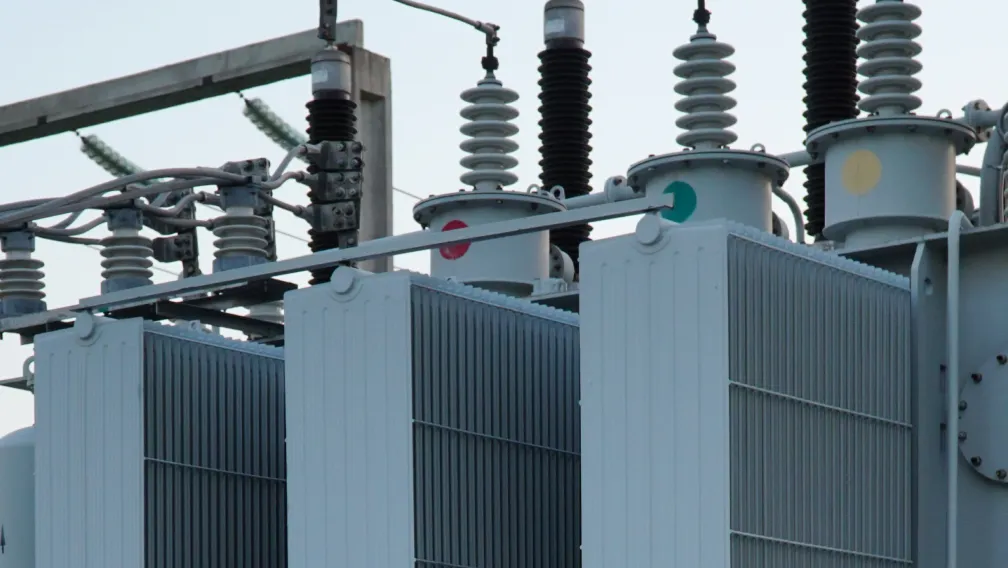
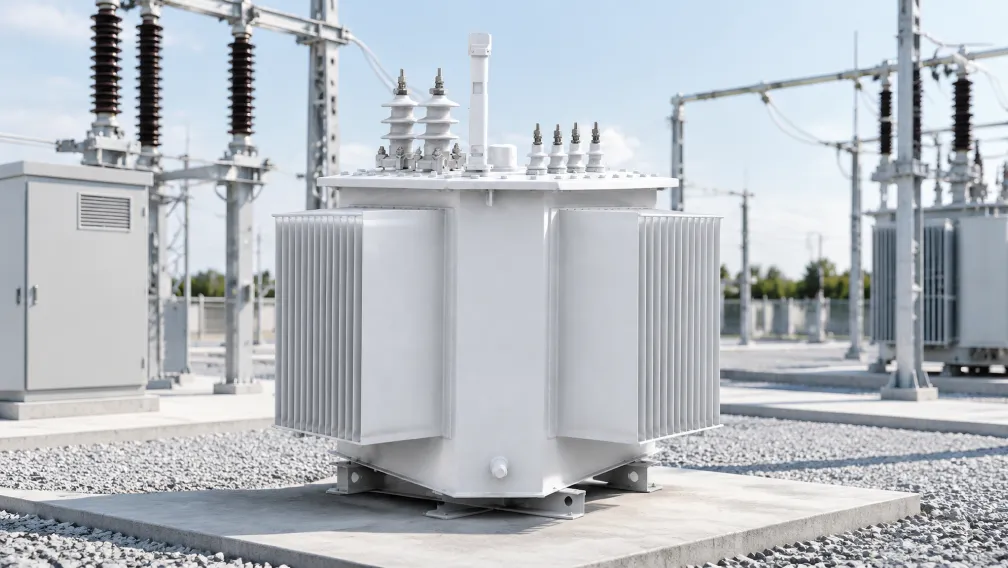
The reality of this constraint is evident in the latest lead time metrics published in September 2026. For medium voltage switchgear operating in the 15kV class, lead times now stretch from 52 to 80 weeks. For higher capacity 38kV equipment, the procurement horizon extends dramatically, reaching 78 to 104 weeks—effectively a two-year waiting period. This represents a staggering increase from the historical pre-2020 baseline of approximately 24 weeks. The delays are equally severe in the heavy transformer market. Standard pad-mount units (0 to 5 MVA) are currently quoting at 40 to 65 weeks, while larger substation power transformers (5 to 50 MVA) command lead times of 75 to 110 weeks. Generator step-up units exceeding 50 MVA frequently breach the 150-week mark. These timelines dictate that the electrical distribution equipment must often be the very first capital expenditure approved on a new project. The delay originates deep within the sub-component supply chain. Critical elements such as cast-resin insulators, specialized microprocessor-based protection relays, and high-endurance vacuum interrupters are all facing raw material and fabrication bottlenecks. Producing a vacuum interrupter requires precision brazing in ultra-high vacuum furnaces and rigorous x-ray inspections to ensure zero microscopic leaks, creating a hard governor on the total output of finished panels.
Capacity Expansions and Manufacturing Realities
In response to this backlog, major global manufacturers are initiating significant capital investments in new domestic production capacity. A prominent example from the third quarter of 2026 is Siemens' commitment to invest at least $185 million in a new 550,000-square-foot manufacturing plant in Jackson County, Georgia. Similarly, localized facility expansions in hubs like Tulsa, Oklahoma, are adding hundreds of jobs specifically dedicated to fabricating the low-voltage switchboards and medium-voltage enclosures required by the data center industry. However, building heavy electrical manufacturing capacity is a multi-year endeavor. Constructing the physical plant, installing precision fabrication tooling, and training technicians for rigorous high-voltage testing protocols cannot be expedited. The Georgia facility begins construction in November 2026 and will require roughly three years to reach full buildout and operational maturity. Furthermore, medium voltage equipment requires extensive factory acceptance testing (FAT) before it can be cleared for shipping. Every panel must undergo dielectric withstand tests, mechanical endurance cycling, and partial discharge monitoring to comply with stringent IEC and IEEE standards. The physical limitations of testing bays mean that the final quality assurance phase remains a time-intensive necessity.
Geopolitical Constraints and Import Restrictions
Compounding the capacity constraints are new geopolitical and regulatory headwinds that require careful navigation by procurement teams. In late August and early September 2026, the United States government enacted a new presidential executive order restricting the import of specific electricity grid equipment. Invoking the International Emergency Economic Powers Act (IEEPA), the order aims to secure the bulk-power system against foreign supply chain vulnerabilities. For developers and utilities, this introduces an immediate requirement to audit their supply chains and determine if planned equipment imports fall under the restricted classifications. Industry legal analysts have noted that this order will inevitably complicate and lengthen utility interconnection processes. Project developers must now engage in extensive compliance verification, proving the origin, cybersecurity readiness, and physical security of their distribution components. This administrative friction threatens to delay interconnection approvals and further shrink the pool of permissible global suppliers, intensifying the demand on already strained domestic manufacturing facilities.
The Regulatory Collision: SF6-Free Mandates
Simultaneously, the industry is navigating a hard regulatory deadline regarding the environmental impact of its insulation materials. Under the European Union’s Regulation (EU) 2024/573, the deployment of new electrical equipment utilizing sulfur hexafluoride (SF6) up to and including 24kV is prohibited starting January 1, 2026. This forces utilities and industrial users to abandon traditional technologies and mandate SF6-free solutions in their specifications. Buyers must now compete for production slots of newer, environmentally compliant equipment like 12kV SF6-free gas insulated medium voltage switchgear. Alternatively, EPCs are pivoting toward 12kV solid insulated medium voltage switchgear to completely bypass gas handling regulations. Manufacturing SF6-free equipment introduces new production complexities. Solid insulated systems require precise Automatic Pressure Gelation (APG) casting processes where epoxy resin is cured under strict profiles to prevent voids. Eco-gas systems utilizing dry air or fluoronitrile mixtures require advanced laser welding for their stainless-steel tanks. The collision of record-high demand and mandatory technological transition means manufacturers must retool lines for eco-friendly variants precisely when they are most pressured to maximize output.
Strategic Procurement and Integration Mitigation
To mitigate these overlapping challenges, forward-looking EPCs and facility owners are abandoning fragmented purchasing strategies. Best practices in September 2026 dictate engaging manufacturers during the initial schematic design phase. By standardizing equipment specifications across multiple sites, developers can secure block reservations on factory production lines rather than placing individual orders sequentially. Standardization allows manufacturers to lock in raw material supplies—such as specialized electrical steel for transformer cores and copper for busbars—far in advance. Furthermore, buyers are increasingly evaluating the Total Cost of Ownership (TCO) not just in terms of capital expenditure and maintenance, but in terms of schedule risk. Paying a premium for an accelerated manufacturing slot or domestic assembly often yields a higher overall project return on investment if it prevents a multi-month delay in facility energization.
The Shift Toward Modular Substations
Another vital strategy is the adoption of highly integrated, factory-assembled infrastructure. Rather than sourcing discrete breakers, relays, and transformers to be assembled on-site by local contractors, developers are shifting toward compact substations. These fully engineered, enclosed systems arrive pre-wired and pre-tested, drastically reducing the field labor required for integration. By combining the step-down transformer and the secondary gas insulated switchgear into a single, unified footprint, project managers transfer the integration risk from the active construction site to the controlled environment of the manufacturing floor. This approach not only compresses the on-site installation schedule but also simplifies the procurement process by reducing the number of distinct vendors and component interfaces that must be managed through an already volatile supply chain.
Conclusion
The landscape of electrical infrastructure procurement has fundamentally shifted. The data center boom, grid modernization requirements, import restrictions, and strict environmental mandates have collectively exhausted excess manufacturing capacity globally. As we move through the final quarter of 2026, success in industrial development and renewable energy substation deployment will not be determined solely by access to capital or real estate, but by the ability to secure the critical medium-voltage assets required to connect to the grid. Elecstellar remains committed to engineering high-reliability, compliant distribution solutions, working closely with our EPC partners to navigate these complex supply chain dynamics and deliver critical infrastructure on schedule.
-

STELLAR
Switchgear & Power Transformer ManufacturerSTELLAR designs and manufactures switchgear, transformers, and complete power distribution equipment from our China facility, serving utilities, contractors, and distributors in 50+ countries. Every technical article on this site is reviewed by our in-house engineers to ensure accuracy against IEC standards and real project practice.