Metal-Clad Switchgear Explained
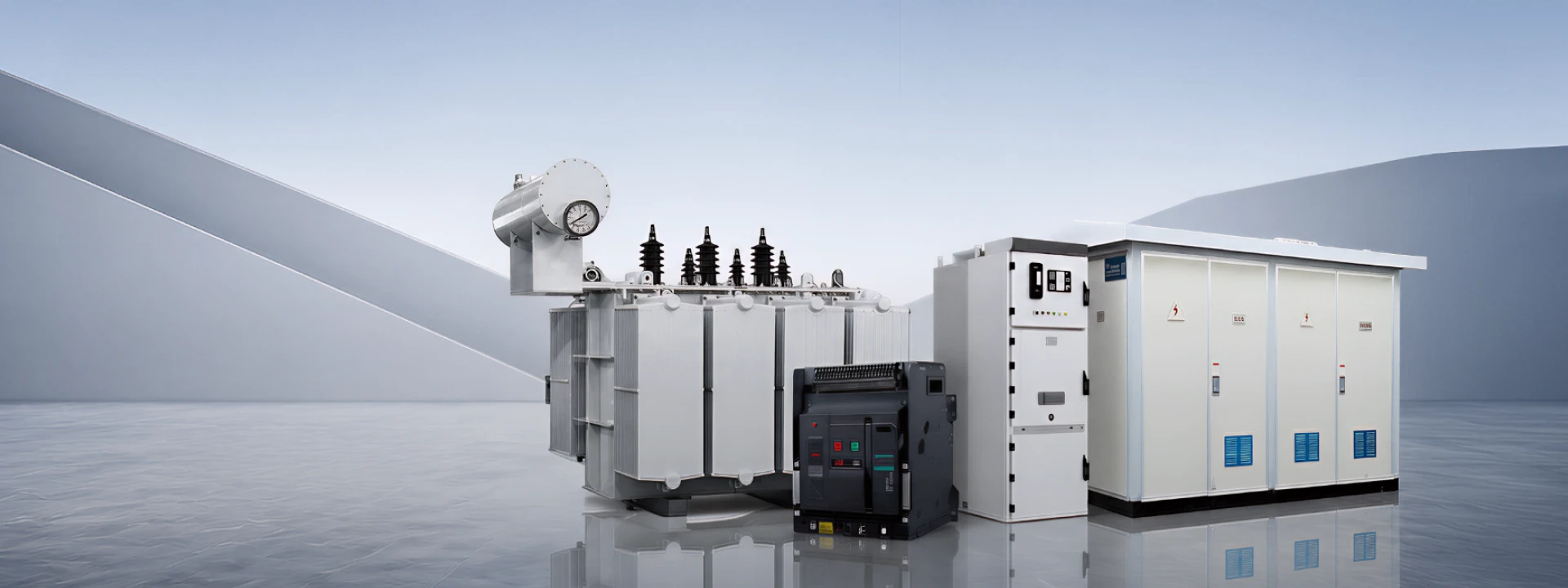
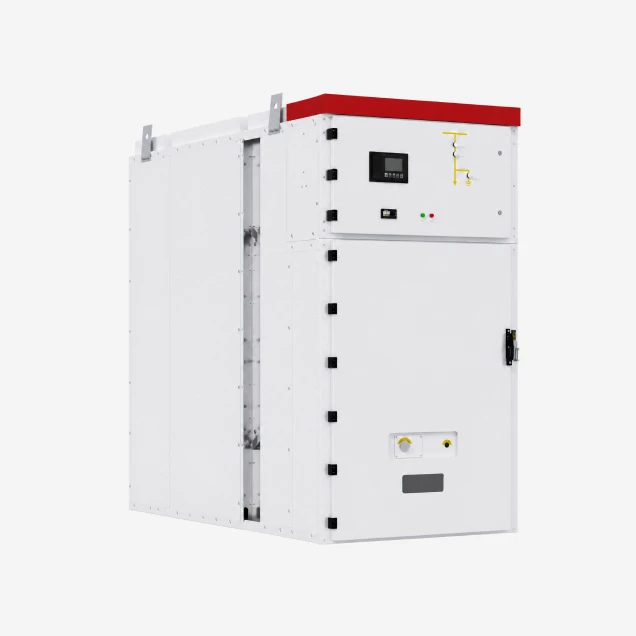
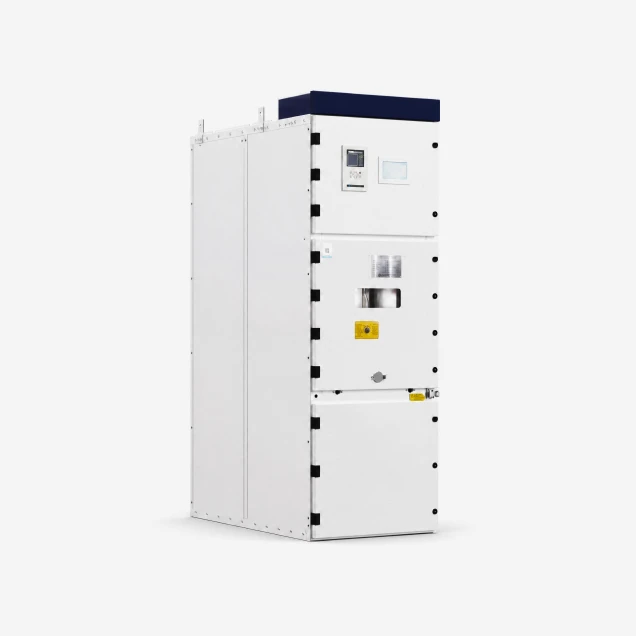
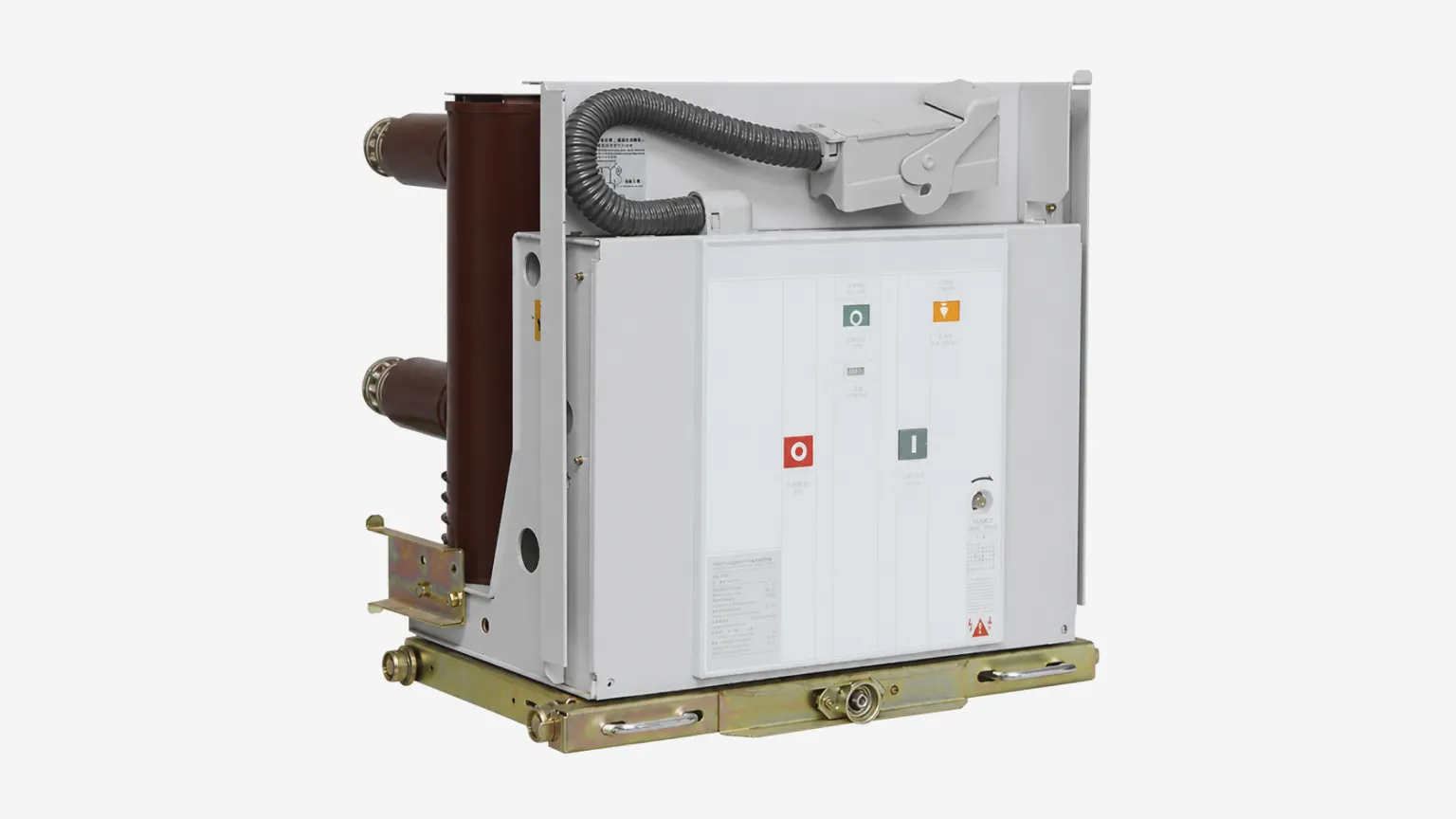
Metal-clad switchgear is the highest-protection class of metal-enclosed medium voltage switchgear. The defining trait is separation. The circuit breaker, the busbar, the cable termination, and the low-voltage instruments each sit in their own compartment, walled off by earthed metal. The breaker is mounted on a withdrawable truck, and metal shutters drop over the live contacts the moment it racks out. This is the format specified where uptime and operator safety carry the most weight.
What "Metal-Clad" Actually Means
IEEE C37.20.2 and IEC 62271-200 set the bar. A panel qualifies as metal-clad when it meets four conditions: the main switching device is withdrawable; the major primary parts sit in separate earthed metal compartments; automatic metal shutters isolate the live primary contacts when the breaker is removed; and the primary busbars are insulated. Miss one of these and the panel is classed as metal-enclosed rather than metal-clad.
The Four Compartments
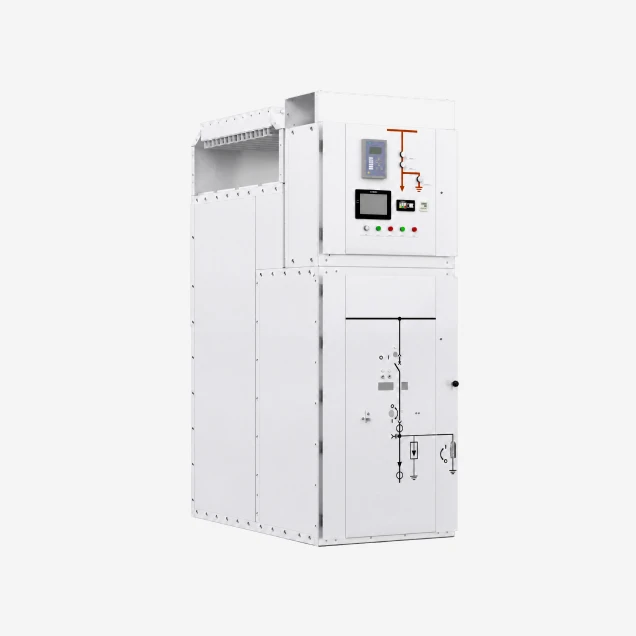
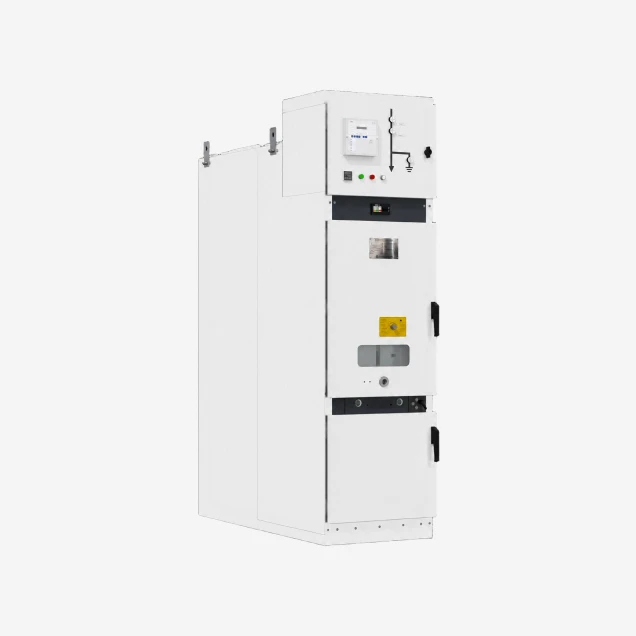
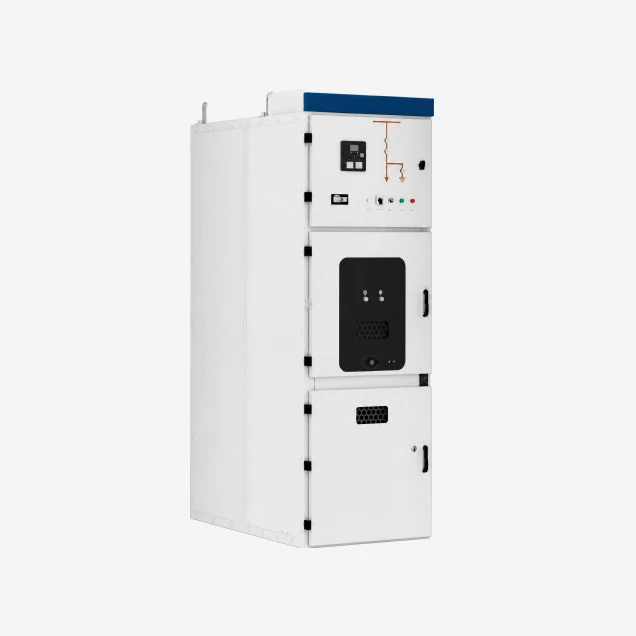
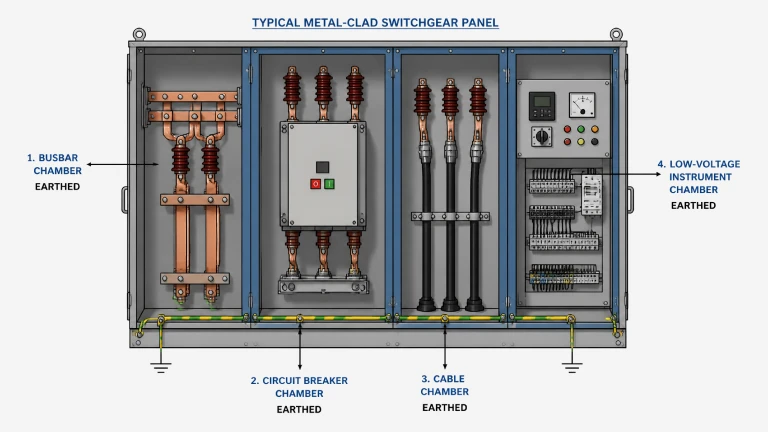
Inside a KYN28A or KYN61 panel, the primary circuit is divided four ways:
- Busbar compartment: the three-phase busbars running panel to panel, insulated and shielded.
- Circuit-breaker compartment: holds the withdrawable breaker truck and the primary disconnects with their shutters.
- Cable compartment: incoming or outgoing cables, current transformers, the earthing switch, and surge arresters.
- Low-voltage compartment: relays, meters, and the control and protection wiring.
Earthed steel between each compartment keeps a fault contained, and lets a technician open the low-voltage or cable side while the busbar stays live in adjacent panels.
Metal-Clad vs Metal-Enclosed
The two terms get used loosely, but they sit at different levels. Metal-enclosed is the parent category for any switchgear inside an earthed metal housing; it covers metal-clad, compartmented (metal-enclosed with some insulating partitions), and plain cubicle types. Metal-clad is the strictest sub-class within it, carrying the full set of separated metal compartments, automatic shutters, and a withdrawable breaker. So every metal-clad panel is metal-enclosed, while many metal-enclosed panels are the simpler kind. For primary distribution carrying real fault current, metal-clad is the safer specification. For ring-main and load-switch duty, a plain metal-enclosed panel does the job at lower cost.
The Withdrawable Breaker: Service, Test, Disconnect
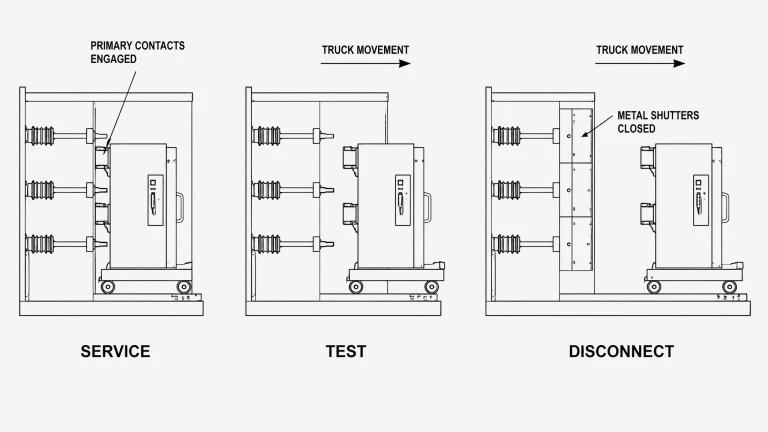
The breaker truck moves between three defined positions inside its compartment. In the service position the primary and secondary circuits are connected and the breaker is live. In the test position the primary disconnects are separated and the shutters close, while the secondary control circuit stays connected, so the breaker can be operated and tested without energising the main circuit. In the disconnect position both circuits are open and the truck withdraws fully for inspection or replacement. The whole sequence runs with the compartment door closed, keeping the operator clear of live parts.
Built-In Safety
Metal-clad panels carry LSC2B service continuity, so the busbar, incoming cable, and neighbouring panels can stay energised while one compartment is open for work. Metal partitions (class PM) and automatic shutters keep the live primary contacts covered. Five-prevention interlocking blocks the classic operating errors: closing a breaker onto a fault, racking a truck in or out under load, switching an earthing switch onto a live circuit, and opening a door into a live compartment. Internal arc classification (IAC) type-tests the panel to vent the pressure and hot gas of an arc fault away from the operator, designated by accessibility type and protected sides, for example IAC AFLR 31.5 kA 1 s.
KYN28A-12, KYN28A-24, and KYN61-40.5
The series splits by voltage. KYN28A-12 is the workhorse for 12 kV systems, running on 10 kV and 11 kV networks, rated to 4000 A and 31.5 to 40 kA; it covers the bulk of factory, building, and distribution feeders. KYN28A-24 steps up to 24 kV with larger clearances and a deeper cabinet. KYN61-40.5 handles the 40.5 kV class on 35 kV systems for substation incomers and large plants, with an arc-classified IP4X enclosure. All three are air-insulated and built to IEC 62271-200, equivalent to GB/T 3906-2020. The rated insulation levels follow the voltage class: 42 kV and 75 kV for 12 kV, 65 kV and 125 kV for 24 kV, and 95 kV and 185 kV for 40.5 kV. For other voltages and insulation options, see the medium voltage switchgear overview.
Where Metal-Clad Switchgear Is Used
Utilities specify metal-clad panels for substation incomers and distribution feeders. Industrial and mining plants use them for transformer feeds and for starting large medium voltage motors, where frequent switching and high fault levels call for the withdrawable breaker and full compartmentalisation. Power plants run them on generator and auxiliary circuits. Data centres, hospitals, and large commercial sites choose metal-clad for the safety margin and the ability to service one feeder without dropping the rest. Withdrawable vacuum switchgear is the usual breaker technology inside all of these.