

Utility-scale solar photovoltaic (PV) power plants operate under severe environmental and electrical stresses that distinguish them from traditional fossil-fuel or hydroelectric generation facilities. The conversion of direct current from solar strings into alternating current via central or string inverters introduces complex operational parameters, including high-frequency harmonic distortion, rapid load fluctuations driven by cloud cover transients, and steep thermal cycling. At the electrical core of these generation assets is the step-up transformer, which elevates low inverter output voltages to medium-voltage collection levels suitable for transmission across the solar park. Designing and specifying these vital assets requires a rigorous engineering approach focused on thermal mechanics, harmonic loss management, and grid voltage volatility. Properly engineered electrical architectures are foundational to establishing a reliable renewable energy substation that maintains continuous operation under demanding environmental conditions.
The Operational Reality of Solar Generation Profiles
Unlike steady base-load generation units, utility-scale solar farms experience sharp output gradients throughout the daily operational cycle. Cloud movements can trigger generation swings exceeding 50 percent of rated capacity within a span of seconds. This intermittency creates continuous, repetitive thermal expansion and contraction cycles across the transformer core, windings, and insulating structures. Over years of commercial operation, these thermal shocks induce mechanical fatigue, potentially leading to conductor displacement, insulation wear, and localized hot spots if the core assembly is not engineered to absorb mechanical stress. Specifying robust power transformers with enhanced short-circuit mechanical strength and reinforced clamping structures is vital to withstand these frequent transient load gradients without premature degradation.
Harmonic Distortion and Core Loss Management
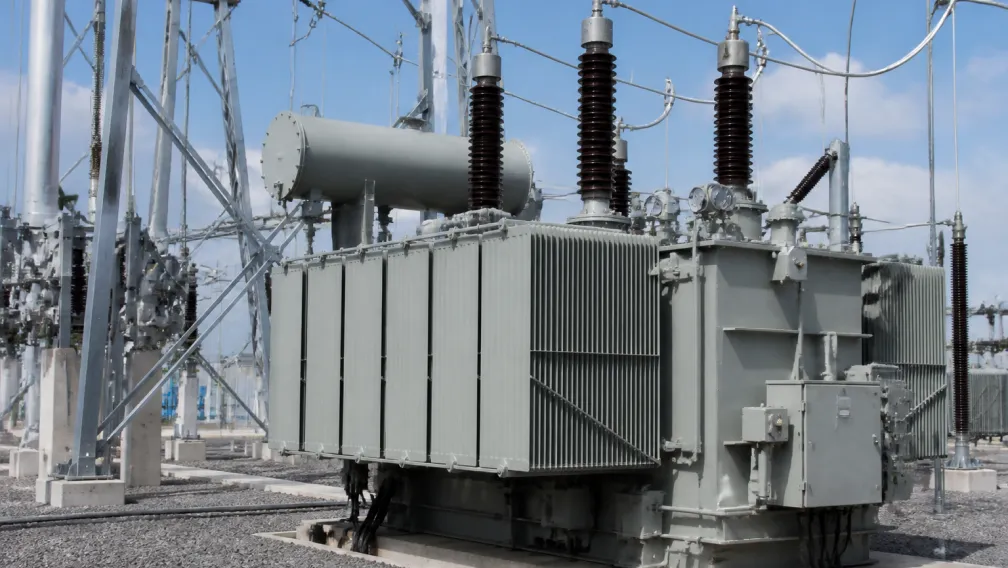
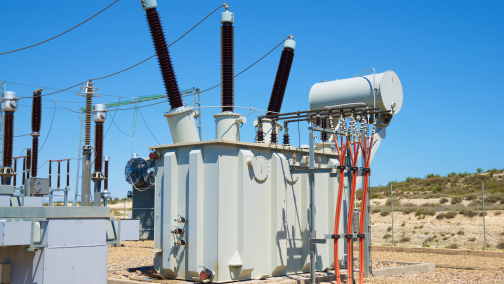
Modern solar inverters utilize high-frequency pulse-width modulation (PWM) switching topologies to convert DC power. Despite advanced output filtering, inverter-fed systems inevitably inject harmonic currents—predominantly the 5th, 7th, 11th, and 13th harmonics—into the primary windings of the step-up transformer. These harmonic frequencies generate stray load losses and eddy current losses in the structural metallic components and core laminations, resulting in accelerated thermal accumulation. To counteract this, manufacturers must utilize specialized design techniques, including transposed conductor strands and optimized core geometries. Deploying a dedicated 35kV renewable energy transformer ensures that stray losses are accurately calculated, effectively suppressing eddy current heating and maintaining winding temperatures within safe insulation class limits.
Managing Thermal Cycling and Dielectric Fluids
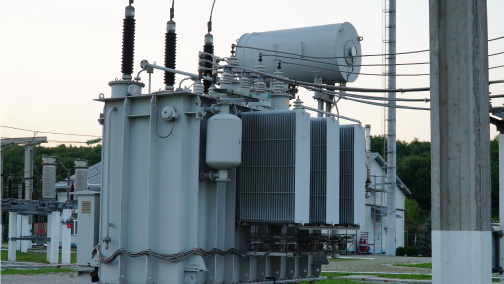
The selection of the cooling and insulating medium dictates the transformer's thermal performance and reliability in extreme ambient environments. Utility-scale solar assets are frequently deployed in arid desert regions characterized by high solar irradiance and elevated ambient temperatures. Both oil-immersed transformers and cast-resin dry-type transformers serve specific architectural requirements within the balance of plant. For outdoor pad-mounted substation yards, mineral oil or biodegradable natural ester dielectric fluids provide exceptional thermal mass and superior convective cooling. Natural ester fluids offer distinct advantages, including higher flash points and complete biodegradability, which mitigate environmental spill risks and comply with strict ecological zoning regulations in sensitive geographical locations.
Grid Volatility and Dynamic Voltage Regulation
Modern grid codes enforce stringent interconnection requirements, mandating fault ride-through (FRT) capabilities, dynamic reactive power injection, and active power curtailment during grid disturbances. Solar farm step-up transformers must endure sudden voltage swells and sags without suffering dielectric breakdown. Furthermore, long collection feeder lines introduce voltage drops that fluctuate with active power export levels. Equipping step-up units with Automated On-Load Tap Changers (OLTC) or robust Off-Load De-Energized Tap Changers (DETC) with extended regulation ranges enables operators to stabilize medium-voltage collection bus voltages dynamically, ensuring compliance with grid interconnection standards regardless of generation intensity.
Packaging and Environmental Adaptation
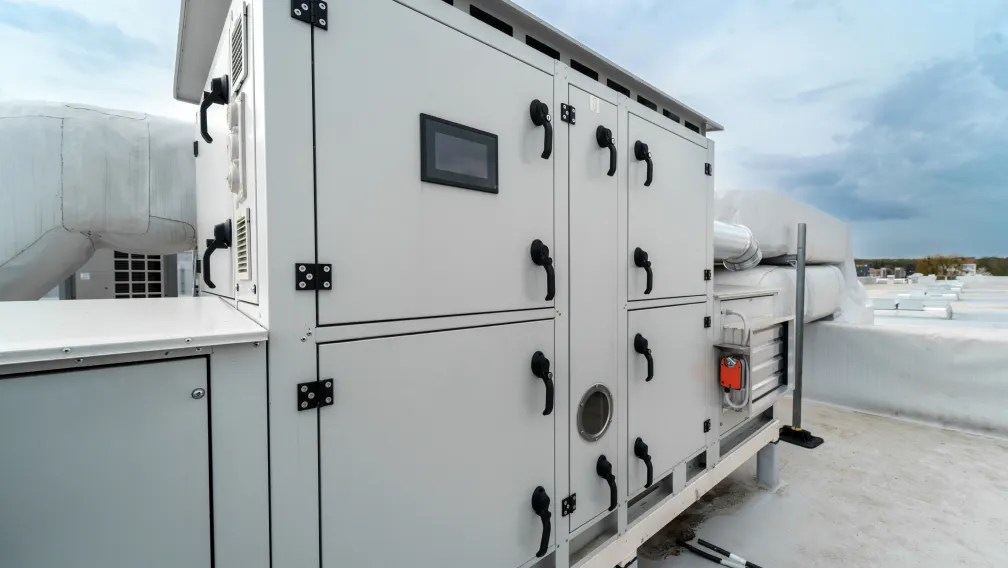
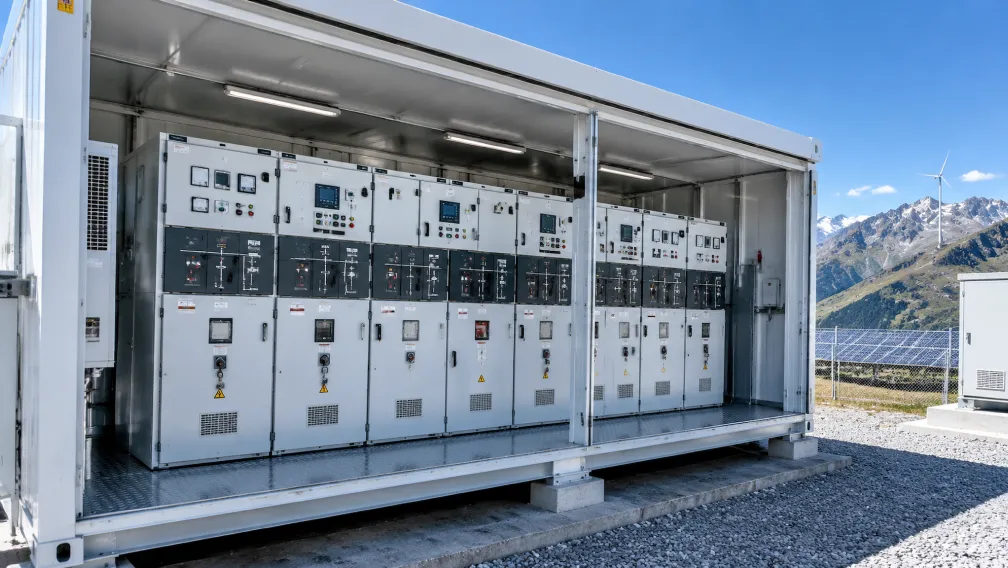
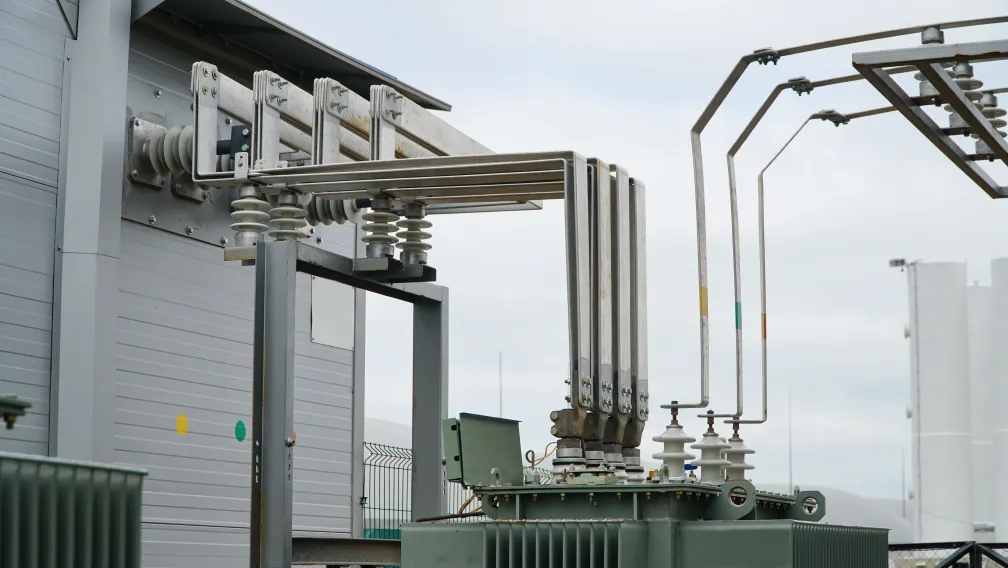
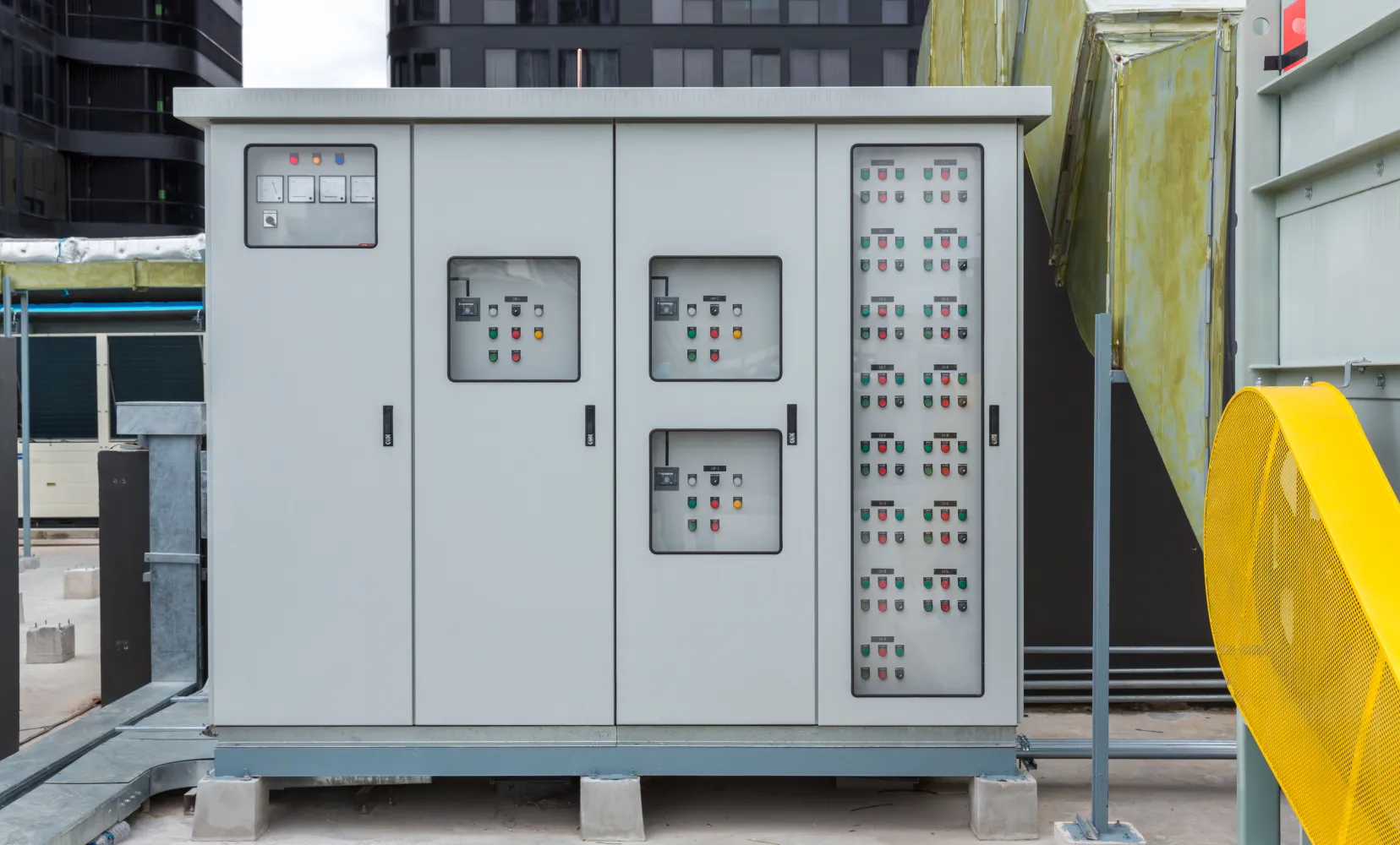
Solar installations encounter diverse environmental extremes, ranging from blowing sand and severe thermal gradients to high-humidity coastal atmospheres prone to salt fog corrosion. Enclosure fabrication requires rigorous protective coating systems and high ingress protection ratings (IP55 or higher) to safeguard internal components. For projects aligned with North American standards, North American style renewable energy transformers incorporate dead-front bushing configurations, radial feed loops, and specialized tank preservation systems tailored to ANSI/IEEE specifications. In modular utility-scale plant layouts where site civil works must be minimized, integrating the step-up unit within a compact substation package streamlines medium-voltage switching and transformation into a single factory-tested enclosure, drastically reducing on-site installation time and cabling complexity.
Total Cost of Ownership and Efficiency Optimization
In utility-scale solar developments, transformer losses represent a continuous operational expenditure over a 25-to-30-year lifecycle. Evaluating procurement bids solely on initial capital expenditure (CapEx) frequently results in suboptimal long-term project economics. Optimizing no-load losses (core losses) and load losses (copper losses) according to established international standards (such as IEEE C57.12.10 or IEC 60076) ensures maximum energy capture during peak generation windows. Lower core and load losses directly enhance the plant's overall energy yield, shortening the payback period and optimizing the levelized cost of electricity (LCOE) for project investors and asset owners.
Conclusion
The engineering and specification of step-up transformers for solar farm substations demand a comprehensive understanding of thermal mechanics, harmonic loading, and grid volatility. By addressing these technical challenges through advanced core design, appropriate dielectric fluid selection, and robust mechanical construction, engineering teams can ensure long-term reliability and compliance. Elecstellar designs and manufactures high-performance medium-voltage transformation solutions tailored to the precise electrical and environmental requirements of utility-scale renewable energy projects globally.
-

STELLAR
Switchgear & Power Transformer ManufacturerSTELLAR designs and manufactures switchgear, transformers, and complete power distribution equipment from our China facility, serving utilities, contractors, and distributors in 50+ countries. Every technical article on this site is reviewed by our in-house engineers to ensure accuracy against IEC standards and real project practice.