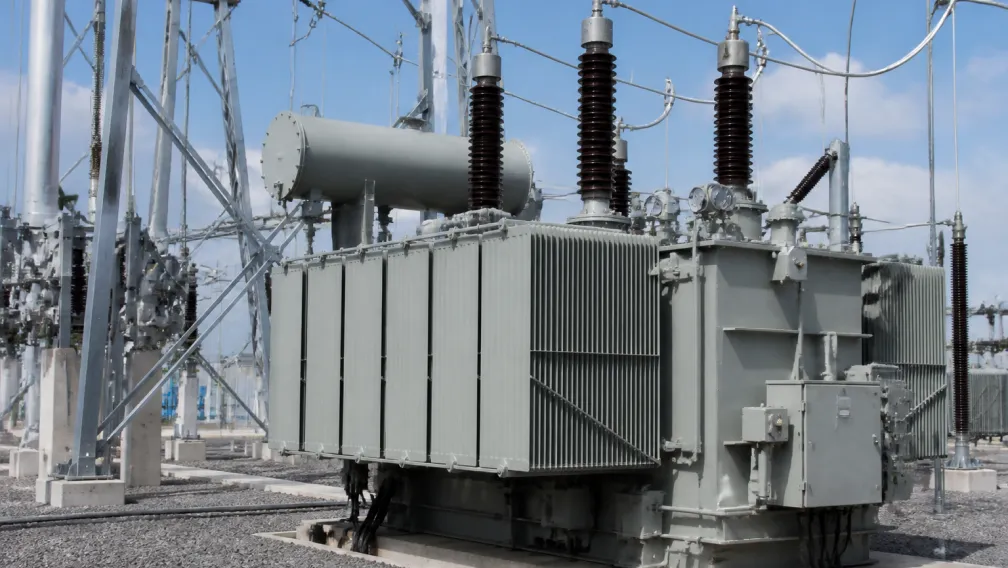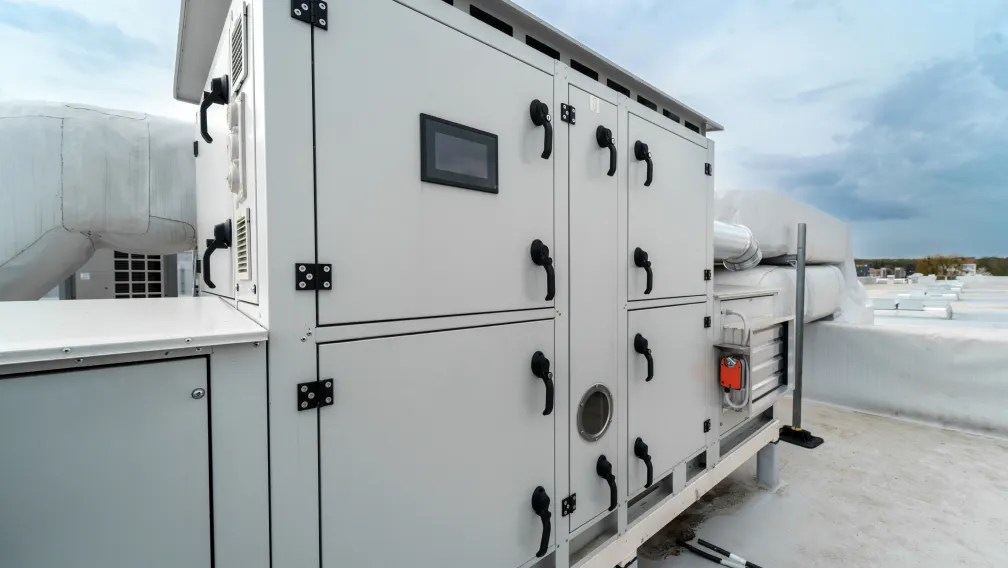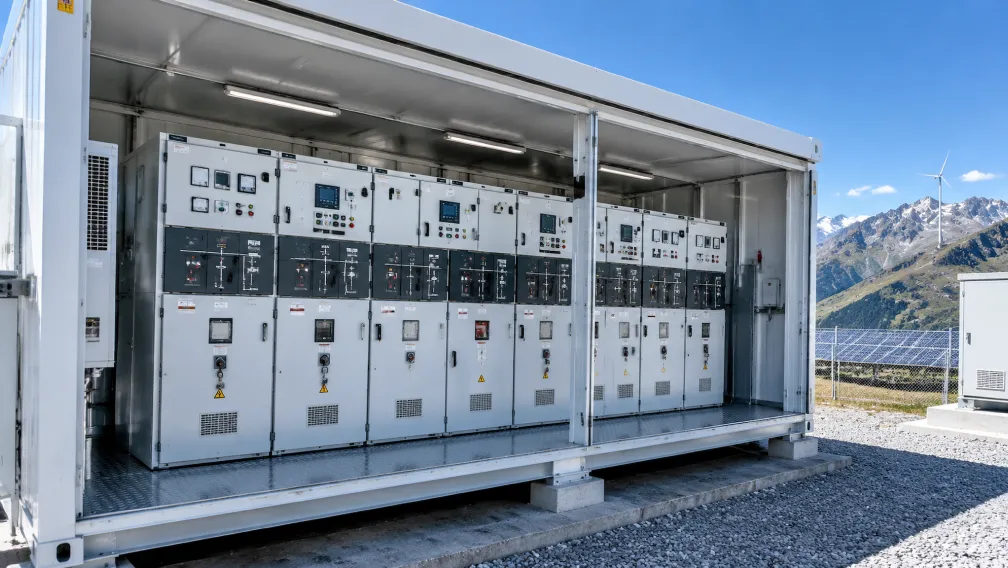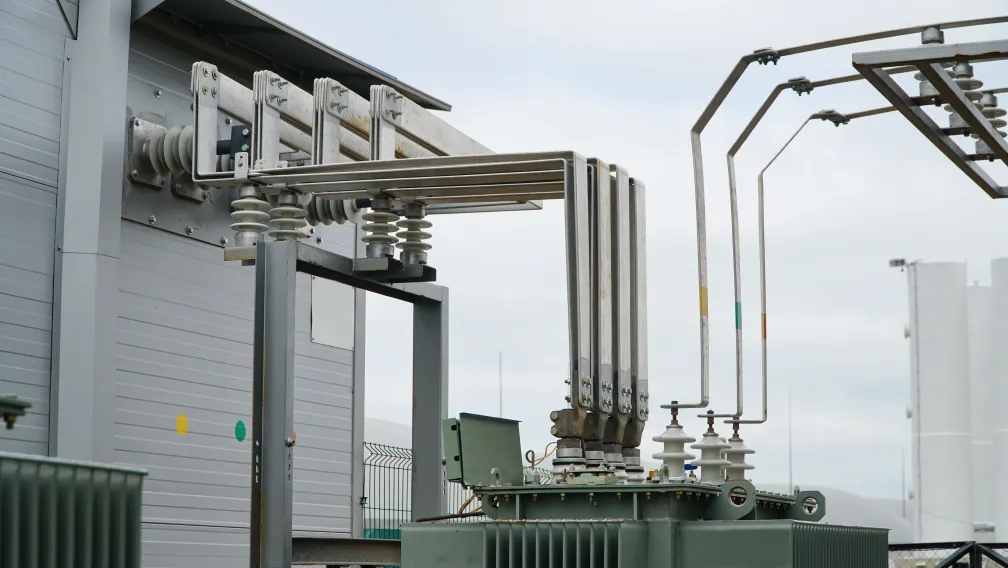


The global transition toward renewable energy is increasingly driving the development of utility-scale solar photovoltaic (PV) and wind generation facilities into geographically challenging, high-altitude regions. Locations such as the South American Andes, the Tibetan Plateau, and the North American Rocky Mountains offer exceptional solar irradiance and consistent wind corridors, but they introduce severe atmospheric constraints on electrical infrastructure. At elevations exceeding 2000 meters, the dramatic reduction in ambient air density compromises two critical operational parameters of electrical equipment: dielectric insulation strength and thermal dissipation capacity. For engineering, procurement, and construction (EPC) contractors developing a renewable energy substation in these extreme environments, standard off-the-shelf equipment will inevitably fail. Designing and deploying medium voltage infrastructure at high altitudes requires a rigorous approach to insulation coordination, altitude derating calculations, and specialized modular packaging.
The Physics of High-Altitude Dielectric Breakdown
According to Paschen's Law, the breakdown voltage of a gas is a function of the product of the gas pressure and the gap distance between electrodes. As altitude increases, atmospheric pressure decreases exponentially. At 3000 meters (roughly 10,000 feet) above sea level, air pressure is approximately 70 percent of its sea-level baseline. This thin air possesses significantly fewer gas molecules per cubic meter, increasing the mean free path of electrons. Consequently, an accelerated electron can gain more kinetic energy before colliding with a gas molecule, making it much easier to initiate an avalanche ionization process. In standard medium voltage switchgear rated for 1000 meters, the phase-to-phase and phase-to-ground air clearances are entirely inadequate for high-altitude deployments. Operating un-derated equipment in thin air inevitably leads to partial discharge, intense corona emissions at sharp conductor edges, and catastrophic flashovers during switching transients or lightning strikes.
IEC Standards and Insulation Coordination Frameworks
International engineering standards, specifically IEC 62271-1, dictate precise insulation coordination methodologies for equipment installed above the standard 1000-meter threshold. To ensure grid reliability, engineers must apply an altitude correction factor, commonly referred to as the Ka factor. The mathematical formula for Ka is e^(m(H-1000)/8150), where 'H' represents the installation altitude in meters, and 'm' is a constant depending on the type of voltage stress (power-frequency, lightning impulse, or switching impulse). For example, deploying a 36kV switchgear lineup at 4000 meters requires applying this exponential multiplier to the required Basic Insulation Level (BIL) and Power Frequency Withstand Voltage (PFWV). If the standard BIL is 170kV at sea level, the high-altitude requirement may exceed 220kV. This mandates significant internal re-engineering to achieve the necessary dielectric withstand capabilities in thin air without compromising the structural integrity of the enclosure.
Engineering Metal-Clad Switchgear for High Altitudes
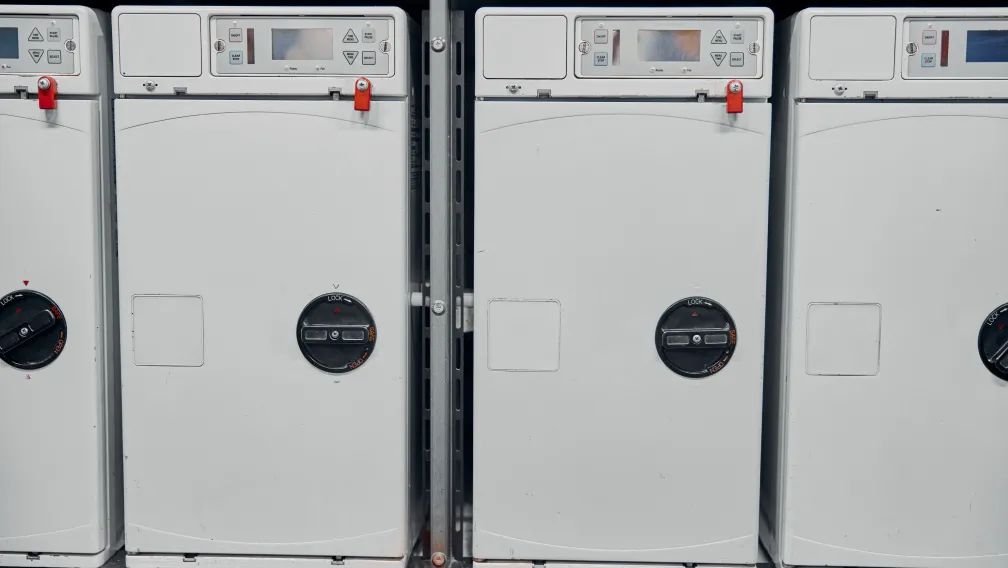
Simply increasing the physical dimensions of the switchgear cabinet to accommodate larger air clearances is often impractical, as it contradicts the spatial constraints of prefabricated substation enclosures and increases transport logistics costs. Instead, manufacturers optimize metal-clad switchgear through advanced materials science and electrostatic field control. Engineers utilize finite element analysis (FEA) to digitally model electric fields within the switchgear compartment, identifying and smoothing high-stress geometric points where corona discharge would initiate. Furthermore, the integration of solid dielectric barriers—such as specialized epoxy resin partition plates—between phases physically blocks the path of potential flashovers. High-endurance units, such as the high-altitude metal-clad medium voltage switchgear, combine optimized busbar geometries with advanced composite insulations to meet the severe BIL requirements of mountainous deployments while maintaining a standard, modular cabinet footprint.
Thermal Derating and Heat Dissipation Mechanics
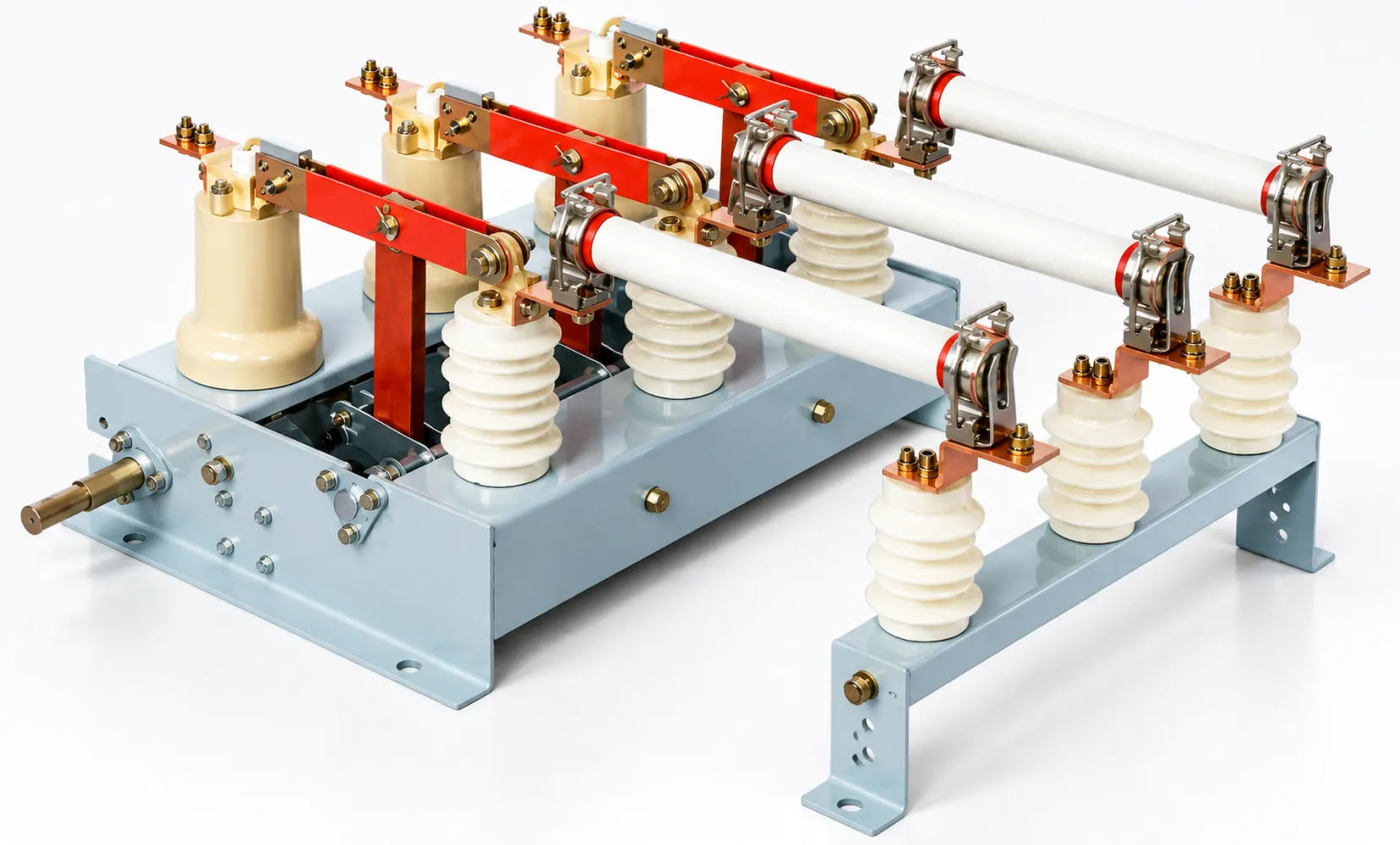
Dielectric breakdown is only half of the high-altitude engineering challenge; thermal management is equally critical. Medium voltage equipment relies heavily on natural air convection to dissipate the ohmic heat generated by copper busbars, circuit breaker contacts, and current transformers. At elevated altitudes, the reduced mass density of the air means it carries less thermal energy away from the conductive components per unit of volume. If a switchgear lineup is rated for 1250 Amperes at sea level, pushing 1250 Amperes through it at 3500 meters will result in dangerous thermal runaway, rapidly degrading the epoxy insulation and accelerating contact wear. To compensate, electrical engineers must apply thermal derating curves. A standard panel might be derated to 80 percent of its nominal capacity. Alternatively, manufacturers can preemptively upsize the copper busbar cross-sections and utilize silver-plated joints to lower internal resistance, allowing the equipment to maintain its full nameplate current rating despite the crippled convective cooling environment.
Vacuum Interrupter External Creepage Requirements
The core switching element within modern distribution panels is the vacuum interrupter. While the internal vacuum environment of the interrupter is perfectly isolated and immune to external atmospheric pressure changes, its external ceramic or glass envelope remains highly vulnerable. The thin air reduces the external flashover voltage across the surface of the bottle. To mitigate this in vacuum switchgear, manufacturers must utilize interrupters with extended creepage distances. This is achieved by utilizing ceramic envelopes with deeper corrugations (sheds) that force potential tracking currents to travel a much longer physical path across the surface. Additionally, applying specialized anti-tracking silicone coatings or completely embedding the vacuum interrupter in an Automatic Pressure Gelation (APG) solid epoxy pole eliminates external air exposure entirely, effectively immunizing the switching element against high-altitude dielectric degradation.
The Strategic Role of Gas-Insulated Alternatives
In scenarios where the altitude exceeds 4000 meters and the physical footprint is strictly limited, traditional air clearances become impossible to maintain within standard enclosures. In these extreme cases, gas insulated switchgear (GIS) provides a definitive engineering bypass. Because the primary busbars, circuit breakers, and disconnectors are hermetically sealed inside a laser-welded stainless steel tank pressurized with a dielectric medium, the internal components never experience the ambient atmospheric pressure drop. The dielectric strength inside the tank remains absolute, whether the unit is installed at sea level or in the Himalayas. The only engineering modification required for GIS at high altitudes is adjusting the external bushings and cable termination boots to accommodate the thin air at the grid connection interface.
Maintenance and Operational Reliability in Extreme Environments
High-altitude sites are not only atmospherically challenging; they are often remote and subject to severe temperature fluctuations, aggressive UV radiation, and heavy snow loads. Routine maintenance is difficult, expensive, and dangerous to schedule during winter months. Therefore, switchgear deployed in these regions must be designed for absolute minimal intervention. This requires the integration of advanced digital condition monitoring. By equipping the metal-clad equipment with continuous partial discharge (PD) sensors, infrared thermal monitoring at critical busbar joints, and motorized racking mechanisms, operators can oversee the substation's health remotely from a centralized control room at lower elevations. Predictive maintenance algorithms can analyze thermal trends against ambient temperature drops, alerting maintenance crews to potential insulation degradation months before a flashover occurs. This shift from preventive to predictive maintenance is essential for preserving the operational lifespan of the electrical assets.
Modular Substation Deployment Logistics
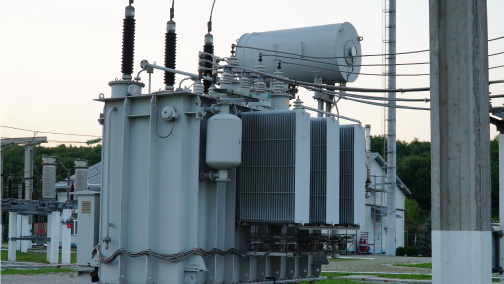
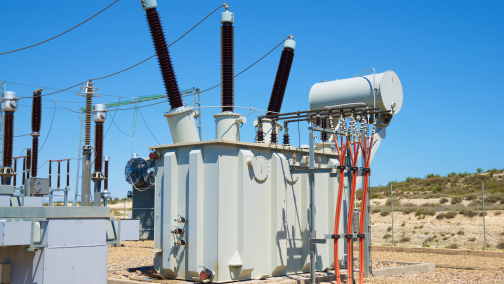
The final challenge of high-altitude renewable projects is logistical execution. Mountainous sites feature treacherous, narrow access roads, stringent transport weight limits, and extreme weather windows that severely limit on-site construction time. Transporting discrete switchboards, loose transformers, and raw building materials up a mountain pass to assemble a switchyard is highly inefficient and risky. Project developers mitigate this by deploying factory-assembled infrastructure. A European style compact substation consolidates the high-altitude medium voltage switchgear, the derated step-up transformer, and the low voltage automation panels into a single, weatherproof, steel-reinforced enclosure. These units are fully wired, subjected to rigorous high-voltage factory acceptance testing (FAT), and transported as a single skid. Upon arrival at the remote site, installation is reduced to pouring a concrete pad and terminating the external cables, stripping weeks of complex civil and electrical labor from the project schedule.
Conclusion
Deploying renewable energy substations in high-altitude environments is a complex exercise in applied physics and logistical planning. Failure to properly coordinate insulation clearances and thermal dissipation profiles will result in catastrophic arc flashes and unacceptable grid downtime. By strictly adhering to IEC altitude derating standards, specifying heavily reinforced metal-clad enclosures or sealed GIS tanks, and leveraging the logistical supremacy of compact prefabricated substations, EPC contractors can guarantee reliable power distribution. Properly engineered high-altitude equipment ensures that remote wind and solar assets deliver maximum return on investment without succumbing to the hostile atmospheric conditions of their deployment sites.
-

STELLAR
Switchgear & Power Transformer ManufacturerSTELLAR designs and manufactures switchgear, transformers, and complete power distribution equipment from our China facility, serving utilities, contractors, and distributors in 50+ countries. Every technical article on this site is reviewed by our in-house engineers to ensure accuracy against IEC standards and real project practice.