Three Voltage Classes on One Physical Platform
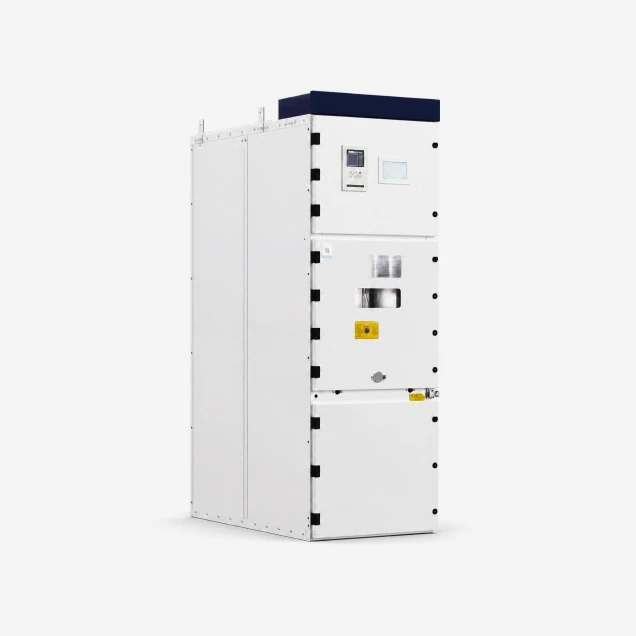
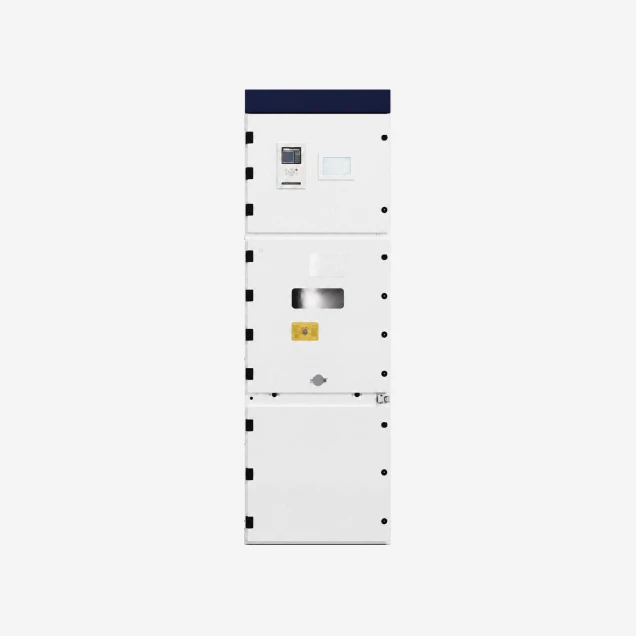
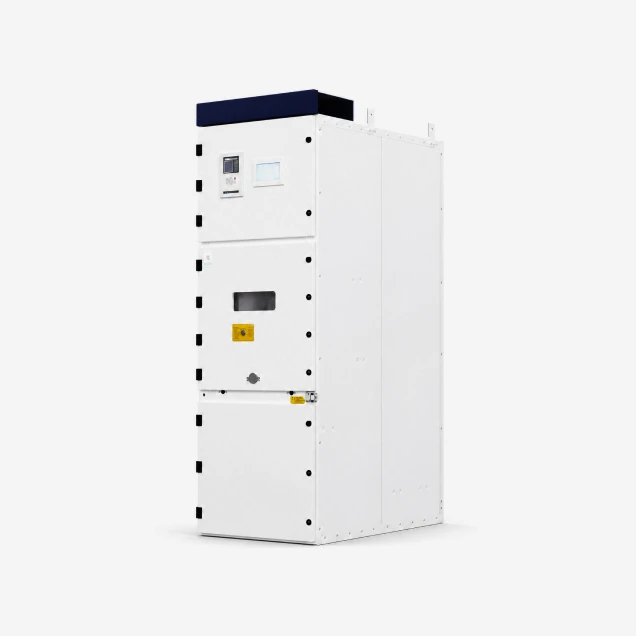
The same metal-clad cabinet framework covers 12kV, 17.5kV and 24kV variants. From a specification engineer's perspective this matters on projects that mix voltage levels — a 24kV incoming substation feeding a 12kV distribution level, or a mixed 12kV / 17.5kV facility. Choosing one platform for all three variants gives interchangeable spare parts, one training programme for site technicians and one commercial framework with the switchgear supplier. The physical footprint, door orientation and cable entry stay consistent across the three voltages, so substation civil design can be finalised before the exact voltage-level split is confirmed.
Metal-Clad Withdrawable Structure with Multi-Brand Breaker Compatibility
The primary breaker is housed in a withdrawable truck (handcart) that racks between the Connected, Test and Isolated positions. The truck interface is compatible with vacuum circuit breakers from all leading international brands, so specifying engineers can match the project's preferred breaker brand without design rework at the panel level. Because the truck geometry is standardised, a future breaker replacement or upgrade is a same-day activity, and shared truck models across a fleet reduce the spares inventory.
Ratings Up to 5000A Withdrawable / 6300A Fixed at 12kV
At 12kV the platform reaches 5000A on the withdrawable design and 6300A on the fixed-type variant — enough headroom for large industrial incomers and heavy urban distribution main panels. At 17.5kV the busbar rating extends to 6300A. Short-time withstand at 12kV reaches 50kA for 4 seconds with a matching 125kA peak withstand, so the platform sits comfortably at grid-connection points where fault current levels are high.
IAC AFLR 50kA/1s at 12kV — High Internal Arc Resistance
Internal arc classification at 12kV reaches IAC AFLR 50kA / 1 second, with accessibility verified on all four sides — Front (A), Lateral (L) and Rear (R). Pressure-relief pathways vent upward through the top of the cabinet, keeping the operator zones at the front, sides and rear clear of blast gases during an internal arc fault. This 50kA rating puts the platform above the 31.5kA / 40kA levels typical of standard metal-clad panels, and is why the design is chosen for high-fault-level industrial installations.
Salt Spray, Chemical and AG5 Seismic Qualification
The enclosure and internal metal work are qualified for coastal, chemical plant and other corrosive atmospheres — a hard requirement for petrochemical, offshore and coastal industrial projects. Seismic performance reaches AG5, which is stricter than the AG3 commonly quoted for indoor substations, so the platform is suitable for seismic-zone installations without additional structural bracing at the switchgear line-up.
Double-Tier Configuration for Constrained Substation Rooms
The double-tier withdrawable variant places two withdrawable vacuum breakers vertically within a single cabinet footprint. On a retrofit project where the existing switchgear room cannot accept a wider line-up, or on a new build with tight architectural constraints, the double-tier layout roughly halves the floor area required for a given feeder count. Both breakers remain independently withdrawable in the Connected / Test / Isolated positions, so maintenance access to the upper and lower breaker is preserved.
Double-Busbar Configuration for Continuous-Process Industries
The double-busbar variant provides two independent busbar systems within the same line-up, so a critical load can be transferred between busbars without loss of supply. This is the standard specification for metallurgy plants (furnace loads that cannot be interrupted mid-heat), underground mining (ventilation and hoisting loads with safety implications), and other continuous-process installations where planned maintenance on one busbar must not interrupt the process.
Digital Sensing Layer — NB/T 42044 Type-Tested Intelligent Platform
The platform is designed as an intelligent switchgear from the outset. Sensor packages measure cabinet internal temperature, monitor operating status, run fault pre-warning routines and generate an equipment health-state assessment for each cabinet. The intelligent switchgear design has passed type testing under NB/T 42044, so procurement teams working under Chinese national tender specifications can reference the certification directly rather than requiring a bespoke test.
International Certifications for Global Tender Submission
The platform carries TÜV certification, GOST approval (for CIS and Russian-market tenders), marine classification society approval (for offshore and marine deliveries), and NB/T 42044 intelligent switchgear type-test. The 17.5kV and 24kV variants have separately passed 60Hz type tests, with TÜV certification issued — a requirement for 60Hz-region markets such as North America, parts of South America and the Philippines. Test reports are available under NDA for tender submission before order placement.