search
Search

Search for equipment models, voltage specifications, or project references.


Home > HXGN-40.5 Digital Gas-Insulated Medium Voltage Switchgear (40.5kV, Up to 3150A )

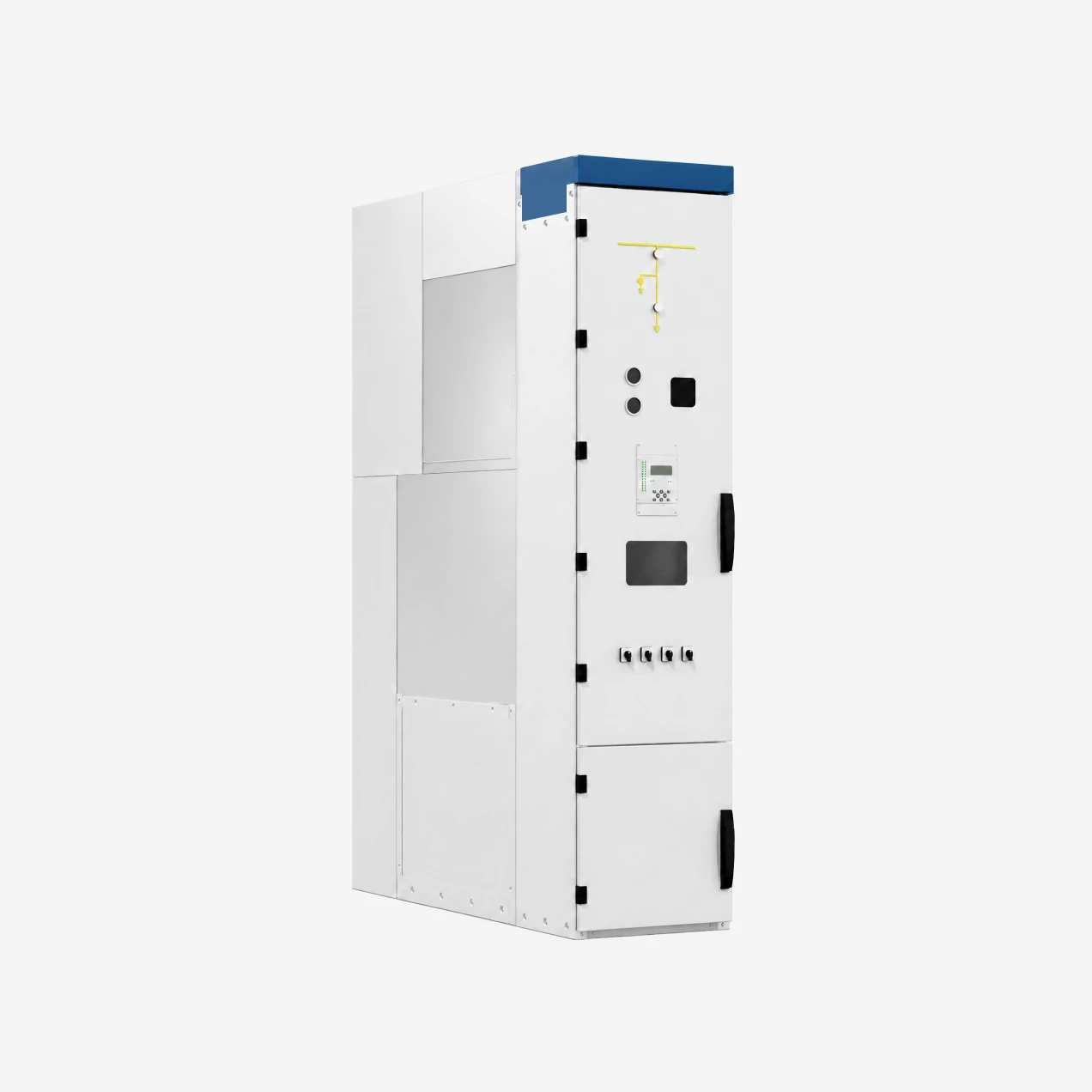
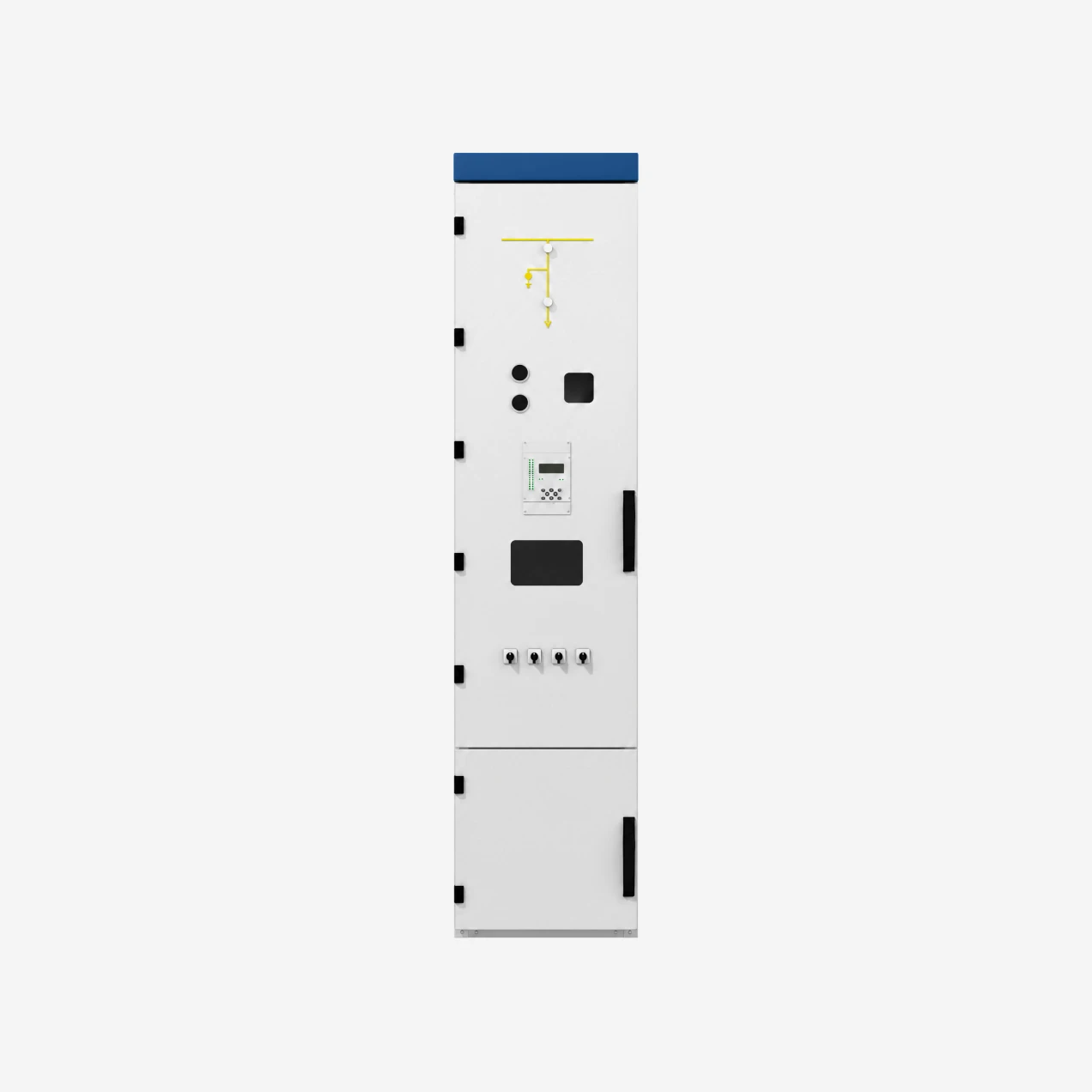
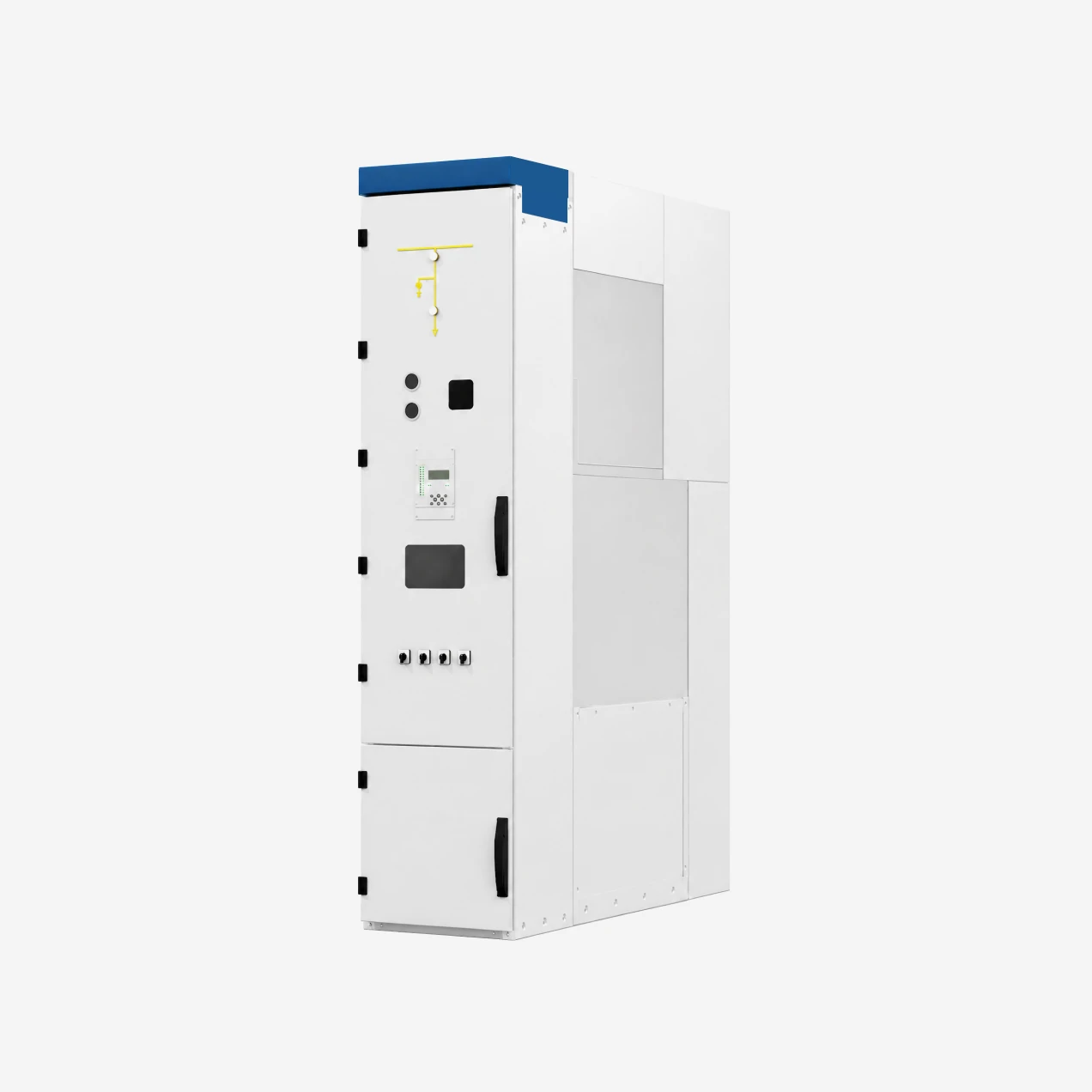
HXGN-40.5 Digital Gas-Insulated Medium Voltage Switchgear (40.5kV, Up to 3150A )

HXGN-40.5 Digital Gas-Insulated Medium Voltage Switchgear (40.5kV, Up to 3150A )

Product Description:
STELLAR digital gas-insulated medium voltage switchgear is a fully sealed 40.5kV assembly where all live components and primary equipment are enclosed inside a stainless steel gas tank. The switchgear is unaffected by external environment, delivering maintenance-free operation with high reliability and personal safety. It is engineered for high rated current (up to 3150A) and high breaking capacity (up to 40kA). Extension busbars use fully-insulated solid busbar construction to preserve reliability and safety across long line-ups. Automation and intelligent control packages are available for value-added applications.
The assembly is a new-generation digital medium voltage switchgear, redesigned across mechanical interlocking, internal arc containment and seismic performance. Operation is simplified and site running is safer than earlier generations. Paired with the intelligent sensor package, the switchgear delivers real-time sensing of cabinet temperature, circuit breaker mechanical characteristics and switch position — data that is automatically collected, stored and analysed, so operations teams can make evidence-based decisions and reduce total cost of ownership.
Available Configurations
• Rated voltage: 40.5kV
• Rated frequency: 50 Hz
• Rated current: 630 / 1250 / 1600 / 2000 / 2500 / 3150 A
• Power frequency withstand: 98 / 120 (isolation gap) kV
• Lightning impulse withstand: 186 / 220 (isolation gap) kV
• Short-circuit breaking: 25 / 31.5 / 40 kA
• Short-time withstand (4s): 25 / 31.5 / 40 kA
• Peak withstand: 63 / 80 / 100 kA
• Internal arc classification: AFLR 25 / 31.5 / 40 kA / 1s
• Enclosure IP42; gas tank IP67
• Annual gas leakage rate: ≤ 0.01%
• Digital sensing layer for cabinet temperature, breaker mechanical characteristics and switch position
• IoT architecture: system application, communication management, edge computing, electrical endpoint devices
Ordering Information
Send us your single-line diagram, target current and breaking rating, incoming direction, indoor substation layout constraints and any preferred monitoring platform (SCADA / DCS / EMS). Our engineering team will return a customised panel layout, digital topology diagram and general arrangement drawing for your approval before production.

Technial Parameters

TECHNICAL PARAMETERS (BASIC DATA)UNITSVALUE / PARAMETERS
Rated voltagekV40.5
Rated frequencyHz50
Rated currentA630 / 1250 / 1600 / 2000 / 2500 / 3150
Rated power frequency withstand voltagekV98 / 120 (isolation gap)
Rated lightning impulse withstand voltagekV186 / 220 (isolation gap)
Mechanical enduranceoperations1000
Rated short-circuit breaking currentkA25 / 31.5 / 40
Main circuit rated short-time withstand current (4s)kA25 / 31.5 / 40
Main circuit rated peak withstand currentkA63 / 80 / 100
Internal arc classification/AFLR, 25 / 31.5 / 40 kA, 1s
Rated operating pressure (20°C, gauge)MPa0.03
Minimum operating pressure (20°C, gauge)MPa0.02
Enclosure protection class/IP42
Gas tank protection class/IP67
Annual gas leakage rate/≤ 0.01%

Product Details

Sealed Stainless Steel Enclosure — Fully Maintenance-Free

All primary live components and switching devices are sealed inside a stainless steel gas tank at the factory. Once closed and pressurised, the tank interior is isolated from external air, dust, humidity and pollution, so the assembly delivers true maintenance-free operation: no routine cabinet cleaning, no internal insulation inspection, no annual dry-out. Annual gas leakage rate is verified at ≤0.01% per year and the tank protection class is IP67 — this is a switchgear installation designed to sit inside an indoor substation for its full service life without gas top-up.

High-Current Capacity (Up to 3150A) and High Breaking Capacity (Up to 40kA)

Rated current is available at six standard levels — 630, 1250, 1600, 2000, 2500 and 3150 A — matching everything from a modest incomer up to a large distribution main. Short-circuit breaking capacity is available at three levels: 25, 31.5 and 40 kA. Short-time withstand and peak withstand track the breaking rating (25/31.5/40 kA short-time and 63/80/100 kA peak). This makes the assembly suitable both for standard incomers and for grid-connection points where fault current levels are high.

New-Generation Redesign of Interlocking, Arc Resistance and Seismic Behaviour

The switchgear is a new-generation digital medium voltage switchgear, with mechanical interlocking, internal arc resistance and seismic behaviour redesigned as a package rather than added on top of a legacy platform. Simplified operator ergonomics reduce the mis-operation surface area at the cabinet, and the redesigned pressure-relief pathway supports internal arc classification up to AFLR 40kA/1s — well beyond the entry-level 25kA rating typical of first-generation gas-insulated switchgear.

Digital Sensing Layer — Temperature, Mechanical Characteristics, Position

The assembly is instrumented as a digital medium voltage switchgear from the design stage. Sensor packages measure cabinet internal temperature, circuit breaker mechanical characteristics (travel curve, coil current, timing) and switch position (isolation, service, earthed). Data is not just displayed on a local HMI — it is collected, timestamped and stored so the operations team can review trends, identify drift in a breaker's timing signature, and act on early indicators before a mechanical failure develops.

IoT Architecture: System Application, Communication, Edge, Endpoint Devices

The digital layer follows a distribution IoT architecture: system application at the top, communication management in the middle, edge computing at the substation gateway, and electrical endpoint devices at the cabinet. This four-tier structure means substation-level analytics run at the edge — a rise in breaker mechanical timing, a shift in temperature signature, a partial-discharge event — while only the summarised events and alarms flow up to the central monitoring platform. Bandwidth-limited or intermittent-uplink sites still get the full analytical benefit.

Digital Substation Applications: Power Monitoring, Asset O&M, Energy Management

The endpoint data feeds three application layers. Power monitoring reads sources, distribution equipment and load feeders in real time, keeping the local system in safe operating envelope. Asset O&M supplies each equipment item with a digital nameplate, fault diagnosis, predictive maintenance schedule and remote expert guidance — reducing dependence on scarce on-site expertise. Energy management collects data across multiple energy carriers, runs multi-energy coordinated control, and drives the site toward the operator's energy efficiency and dual-carbon targets.

Fully-Insulated Solid Extension Busbar

Extension busbars use fully-insulated, screened solid busbar construction: every conductive surface is covered by a bonded insulation layer with an outer earthed screen. Line-ups can be extended without exposing live metal even when a cabinet is opened for connection work, so commissioning of an extended line-up is done safely in cramped indoor substation spaces where the operator is close to the equipment.

FAQs

What voltage, current and breaking ratings does this switchgear cover?

The assembly is rated for 40.5kV three-phase systems. Rated current is available at 630, 1250, 1600, 2000, 2500 and 3150 A. Short-circuit breaking is available at 25, 31.5 and 40 kA, with matching short-time withstand (25/31.5/40 kA / 4s) and peak withstand (63/80/100 kA). Please send your project's rated and fault current requirements so we confirm the applicable configuration in writing.

What does 'digital medium voltage switchgear' mean in practice?

A digital medium voltage switchgear is instrumented as an operational data source, not just a switching device. On this assembly, sensors read cabinet temperature, circuit breaker mechanical characteristics (travel curve, coil current, operating timing) and switch position, and the data is automatically collected, stored and analysed. The operations team gets evidence-based inputs for maintenance planning instead of relying on time-based inspection schedules — the practical benefit is fewer unplanned outages and lower total cost of ownership.

How is the IoT architecture organised — where does data processing actually happen?

The IoT architecture has four layers: electrical endpoint devices at the cabinet, edge computing at the substation gateway, communication management in the middle, and system application at the top. Substation-level analytics — mechanical trend analysis, thermal signature, event detection — run at the edge, so only summarised events and alarms flow up to the central monitoring platform. Sites with bandwidth-limited or intermittent uplinks still get the full analytical benefit locally.

What condition-monitoring parameters does the switchgear collect?

The sensing package covers three primary parameter families. Cabinet temperature and thermal signatures are used to detect connection degradation before it becomes a hot-spot fault. Circuit breaker mechanical characteristics — travel curve, coil current, operating timing — are used to detect mechanism wear before it changes the interrupt time. Switch position (isolation, service, earthed) is used for interlock verification and remote isolation confirmation. Additional parameters can be added at the endpoint level per project specification.

Is this switchgear designed for indoor substations and PDU rooms?

Yes — the assembly is specifically an indoor design, sized for indoor substations, PDU rooms, industrial main distribution rooms and grid-connection substations. The enclosure protection class is IP42, matched to indoor conditions, while the sealed gas tank inside is IP67 so the primary switching stays fully protected regardless of the surrounding cabinet room's cleanliness.

What input do you need to prepare a customised offer?

Send us your single-line diagram with feeder ratings, the target rated current and breaking rating, incoming direction, indoor substation layout constraints and your preferred monitoring platform (SCADA / DCS / EMS or a specific vendor). Our engineers return a panel layout, digital topology diagram and general arrangement drawing for your approval before we release the order to production.