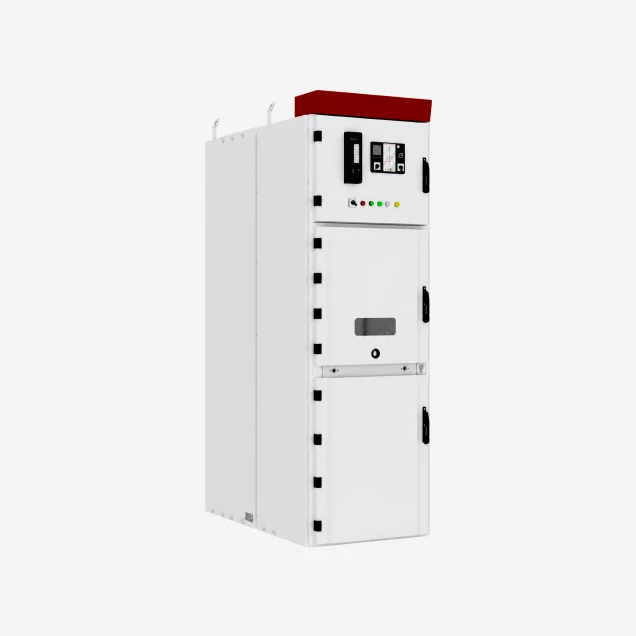
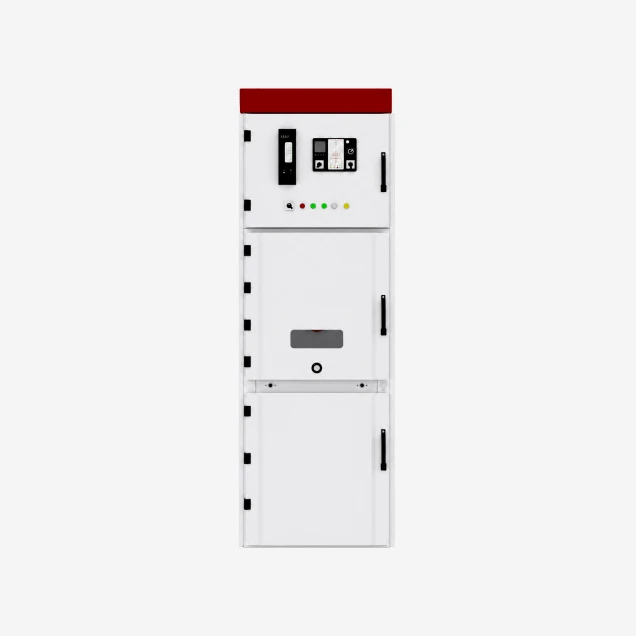
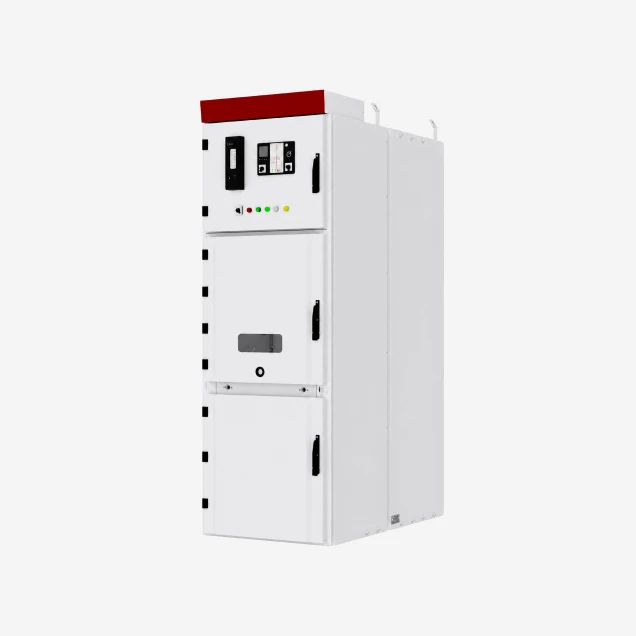
Robust Metal-Clad Enclosure and True High-Low Voltage Separation
Operational safety in primary high-current electrical rooms requires strict containment of heavy energy pathways. The armored metal-clad structure utilizes premium zinc-aluminum coated steel sheets, divided into completely isolated high-voltage cells (busbar, circuit breaker, and cable sections) and low-voltage control compartments. This strict mechanical segregation contains potential faults to their single cell of origin, preventing widespread cascading bus damage and facilitating safer troubleshooting protocols.
High-Capacity Thermal Design for 5000A Continuous Operation
Managing continuous currents up to 5000A produces substantial localized thermal stress along primary conductive linkages. This switchgear utilizes high-conductivity, optimized copper busbar configurations paired with advanced enclosure ventilation dynamics. The design limits full-load temperature rise across all vital joints, preserving copper contact longevity, avoiding premature insulation aging, and delivering a stable, long-term power delivery solution for heavy industrial processors.
50kA/4s Short-Time Withstand and Internal Arcing Fault Resistance
Sudden short-circuit faults on massive industrial utility lines generate devastating thermal expansion and mechanical forces. This panel is structurally type-tested to withstand a short-time current threshold of 50kA for a prolonged 4-second window, backed by a 125kA peak dynamic withstand capacity. Combined with an internal arcing fault rating (IAC AFLR) of 40kA/1s, the switchgear enclosure successfully withstands severe blast forces, venting expanding gases through top-mounted relief pathways to protect operational personnel.
Advanced Mechanical Five-Protection Interlocking for Secure Operation
Human error during high-voltage switching operations can result in catastrophic system damage. This switchgear features a comprehensive mechanical and electrical five-proof interlocking matrix that strictly regulates operational sequences. Operators cannot racked out or insert the vacuum circuit breaker handcart while the main contacts are closed, and access to active cable areas is physically blocked until systems are securely isolated and grounded, ensuring fully closed-door operation.
Integrated Intelligent Diagnostics and Digital Substation Connectivity
Modern electrical grids rely on automated monitoring to transition from reactive repairs to predictive maintenance. The low-voltage control cell incorporates intelligent micro-computer monitoring units that track mechanical performance, partial discharge levels, and real-time contact temperature trends. This continuous data stream is gathered and shared via high-speed digital automation networks, enabling remote operators to analyze equipment health, track lifecycle metrics, and optimize total network uptime.